
Welcome from the Director
“Norton is a national treasure.” “He is an encyclopedia of dance.” “Who needs a database when you have Norton?”
These are some of the comments that I hear often about the wonder that is Norton Owen.
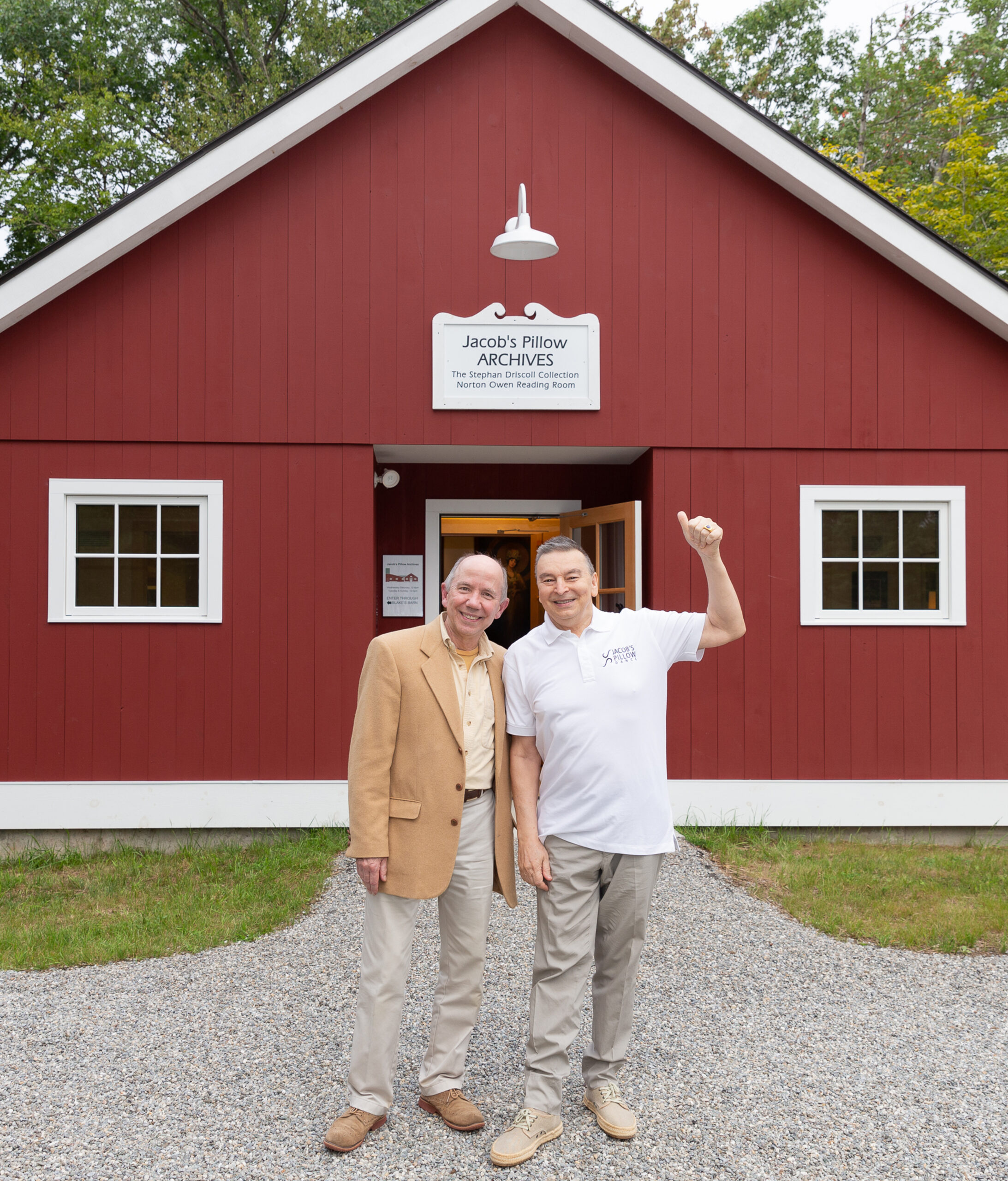
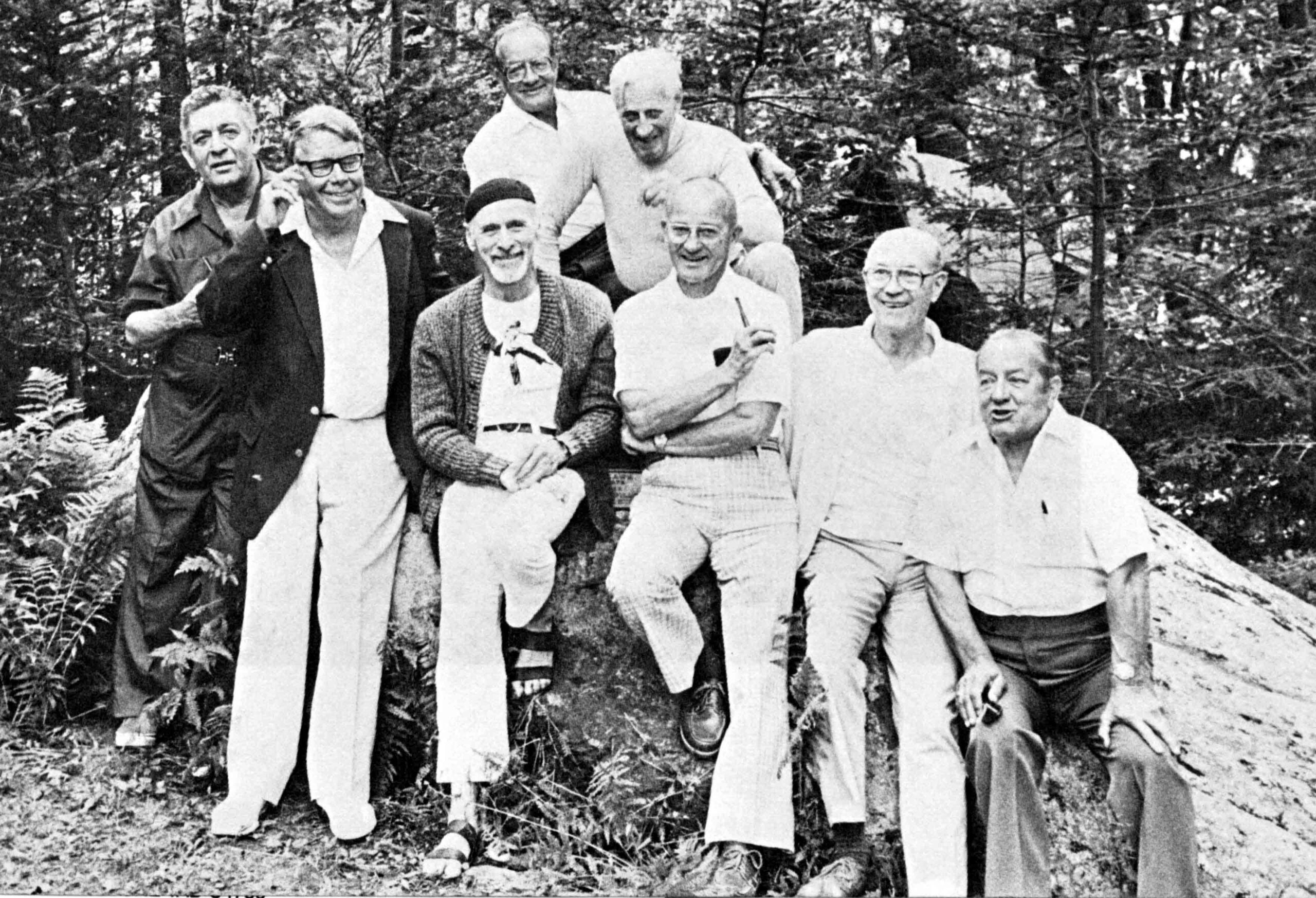
In the winter of 2015 as I was in the interview process to become the Executive and Artistic Director at Jacob’s Pillow, I arrived at Blake’s Barn and met Norton. As we walked the campus, sharing an umbrella, I looked over at his radiant face, his inimitable smile, the glint in his eye, and I knew I was in the presence of someone extraordinary. His sense of awe as he told me about Ted Shawn and His Men Dancers and the founding days of the Pillow; his joy and pride as he recounted the caliber of artists who had been trained at The School; his sadness as he spoke of Marge Champion’s son Blake and how we came to inherit the Barn…his devotion, care and deep love for the Pillow were so authentic, so fresh for a person who at that point had spent over 40 years working for the same organization, I was astonished.
He made me appreciate the magnificence of the Pillow’s history and its contributions to the field of dance and to the world. He does this for everyone lucky enough to stop in to see what’s inside the red barn before they go to pick up their tickets. Norton is there to welcome everyone with open arms.
Norton has thought deeply about what it means to archive this ephemeral artform for generations to come. Under his stewardship, the archive truly lives by being accessible to in-person visitors as well as online and available to the world.
I celebrate his 50 years at Jacob’s Pillow with deep gratitude for all he has done and is doing for artists, audiences, scholars, dance faculty, students, and dance enthusiasts. They understand that we at Jacob’s Pillow are the holders of their history now and forever.

— Pamela Tatge, Executive and Artistic Director of Jacob’s Pillow since 2016
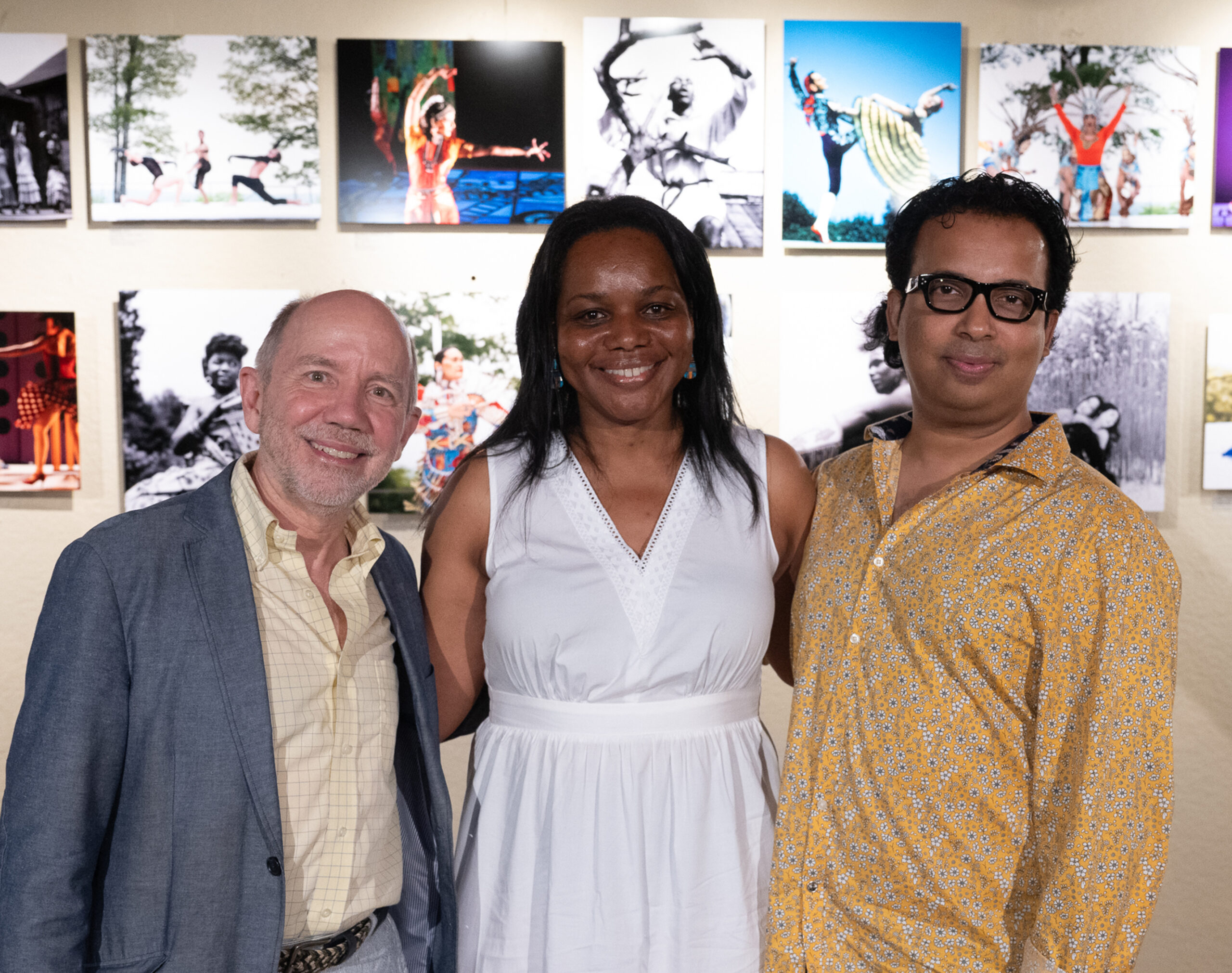
Photo by Hayim Heron
A Message from the Curator
I wasn’t overwhelmed—at first. But when I started digging in and seeing how vast Norton’s accomplishment has been, I realized how difficult it would be to represent all aspects of it. I had to find the right number and choice of items that would reveal Norton’s gifts as curator, historian, designer, and inspiration for the future. Everything he did was ignited by an impulsive, passionate urge to preserve. As Norton said, “I didn’t have a vision… I was following some kind of calling.”
In making decisions for this exhibit, I was guided by three principles that Norton either spelled out or hinted at: first, the idea of juxtaposing two photos as a way of illuminating similarities and differences between artists and eras; second, a sense that the exhibits should celebrate dance, and that we should, in Norton’s words, “uplift and honor” the artists; third, a feeling that the historical element is part of what makes the Pillow unique. Using these principles as a springboard, I combined old and new in ways that I hope will give audiences a fuller experience.
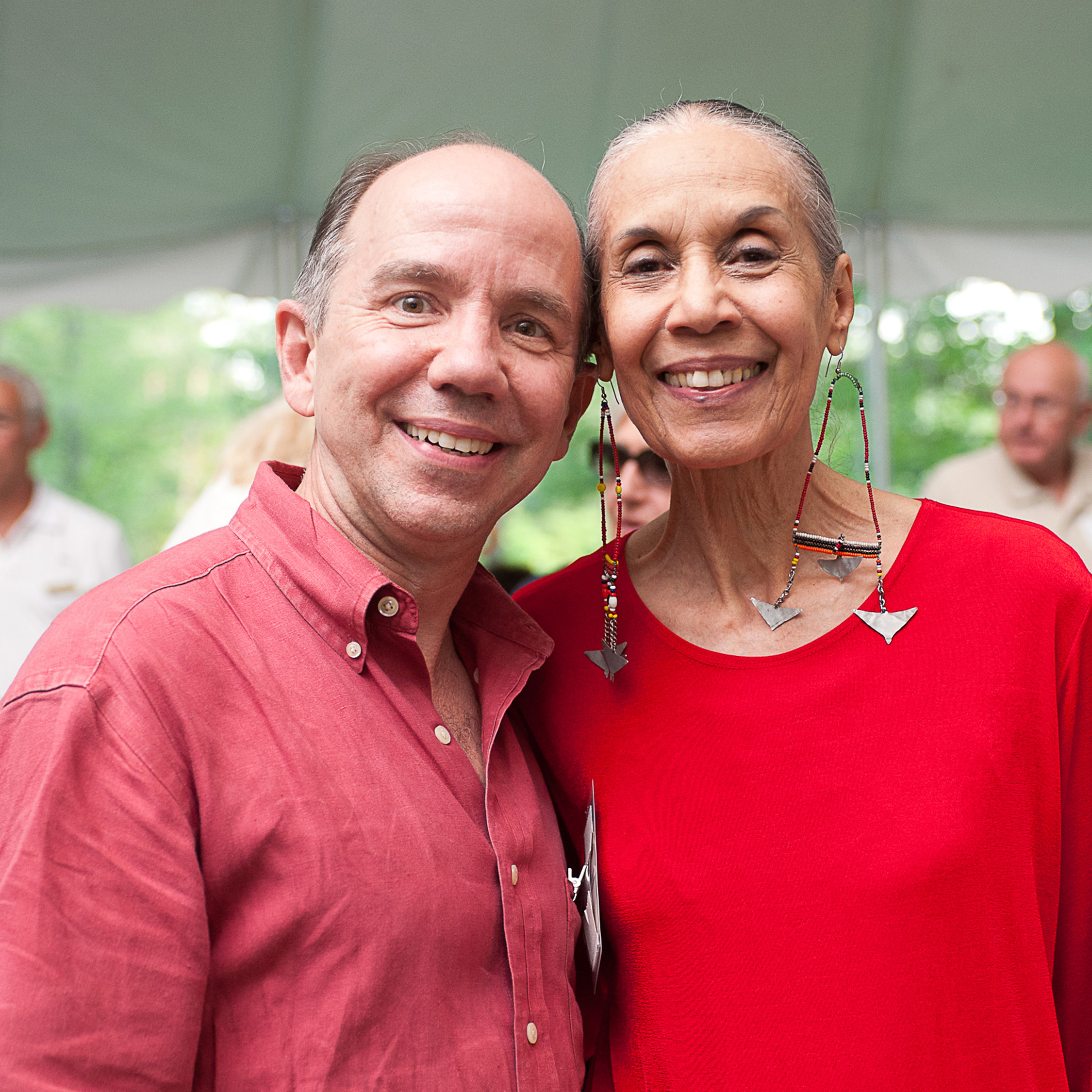
I have known Norton since 1984, when, as Director of Educational Programs, he invited me to teach a week of postmodern dance. I returned in 1987 when Liz Thompson commissioned me to choreograph a work in the Ted Shawn Theatre. In 1990, Sam Miller asked me to serve as his Associate Director.
During the next three years, I directed the Jacob’s Pillow at Bennington Program and curated a few shows in the Studio/Theatre (later named the Doris Duke Theatre). For me, working on this exhibit is a homecoming, an opportunity to express my love of the Pillow in yet another channel.
As Norton has said, “If we only attend to what’s happening now, that’s a narrow universe…The past and the present are in dialogue with each other, which makes it more dynamic.” It has been my honor to participate in this dialogue.

— Wendy Perron, Educator, writer, historian
Photo by Julie Lemberger
The Griot of Jacob's Pillow
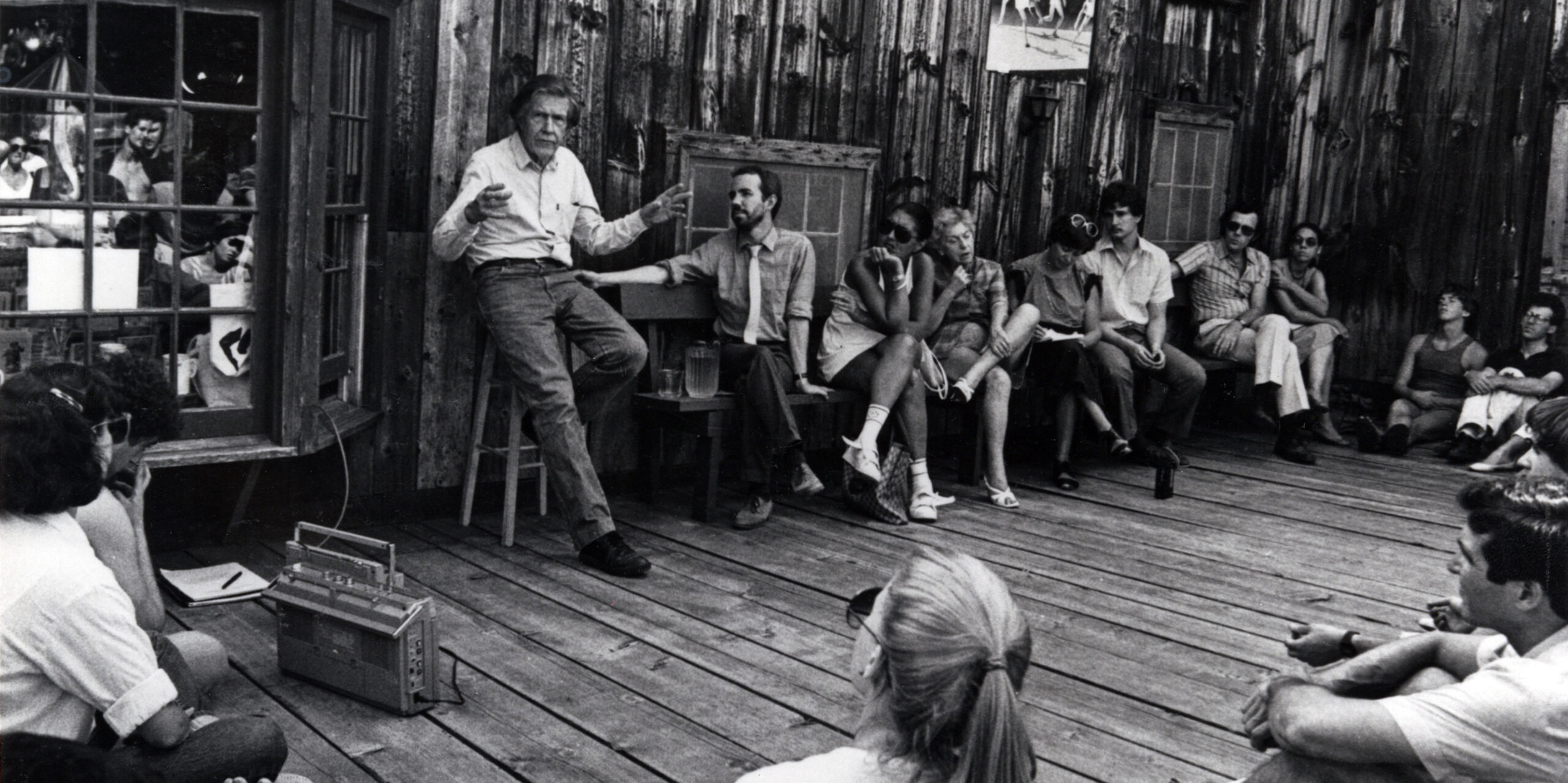
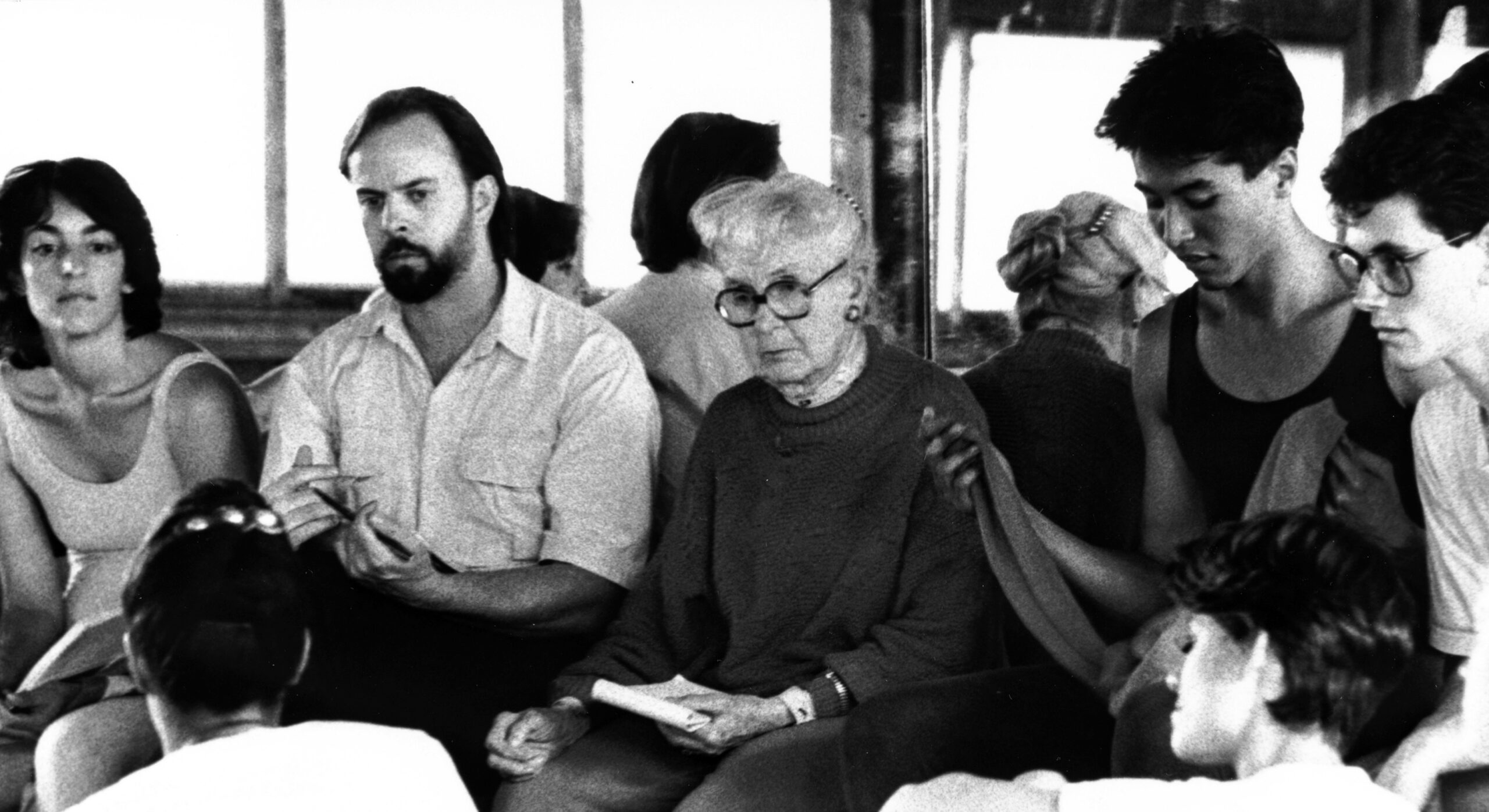
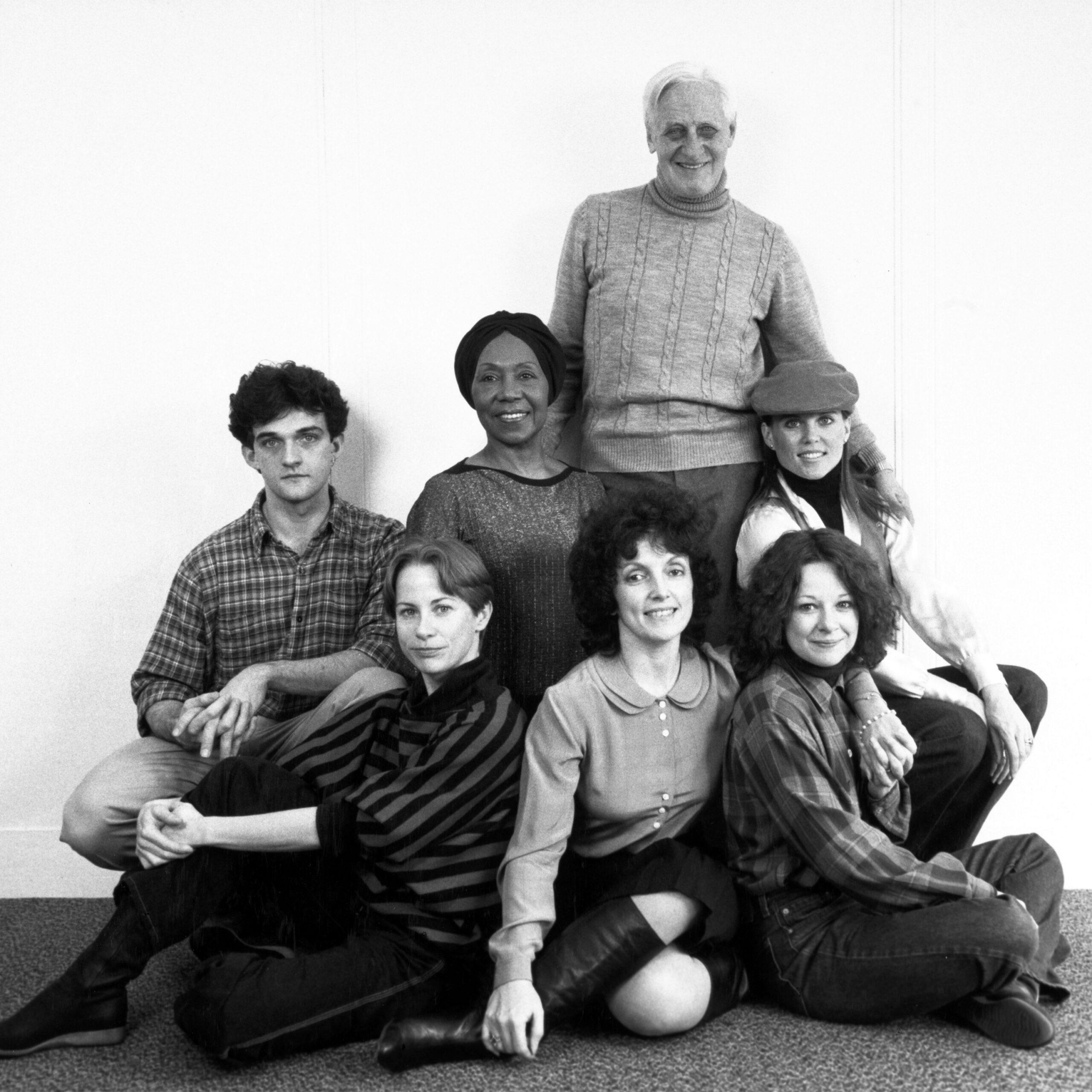
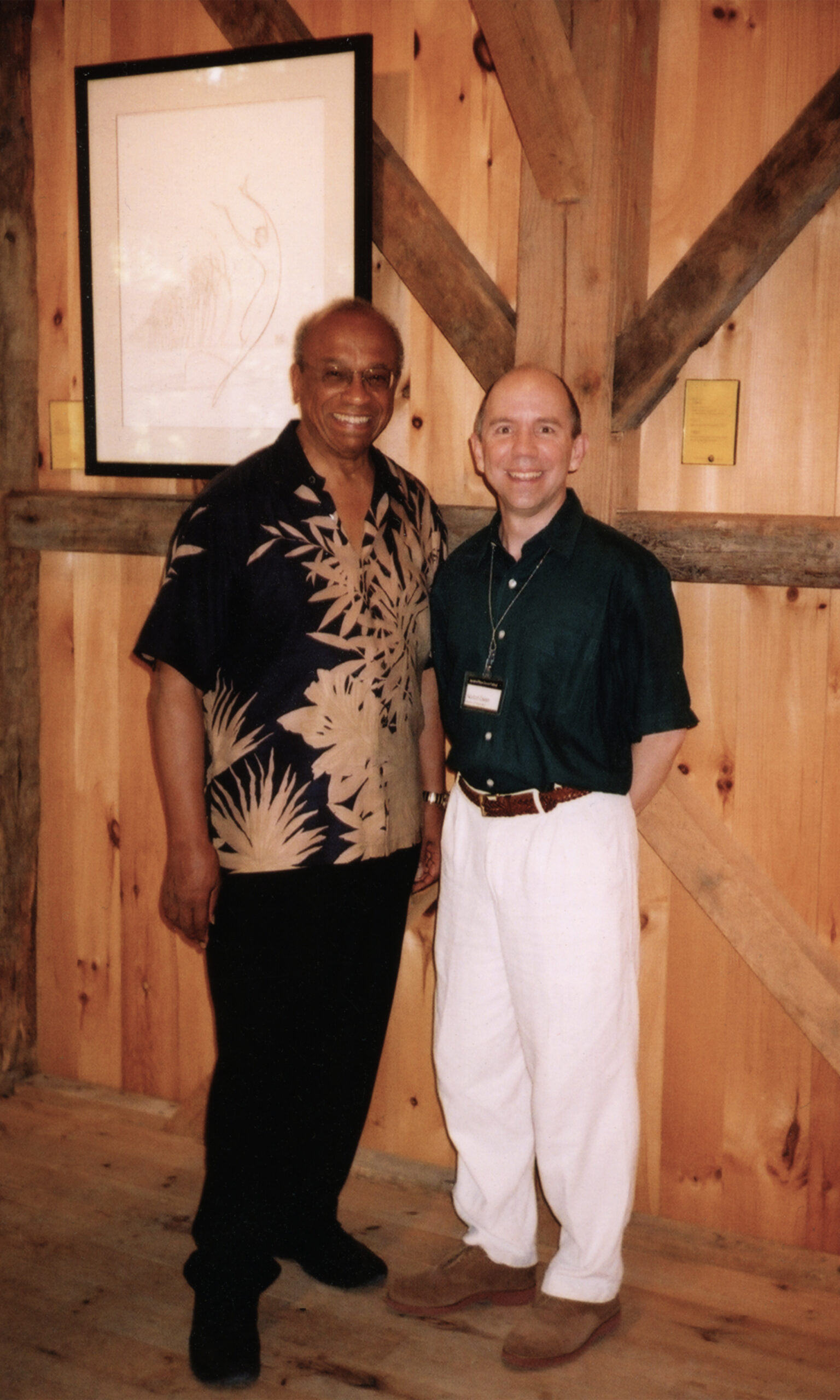
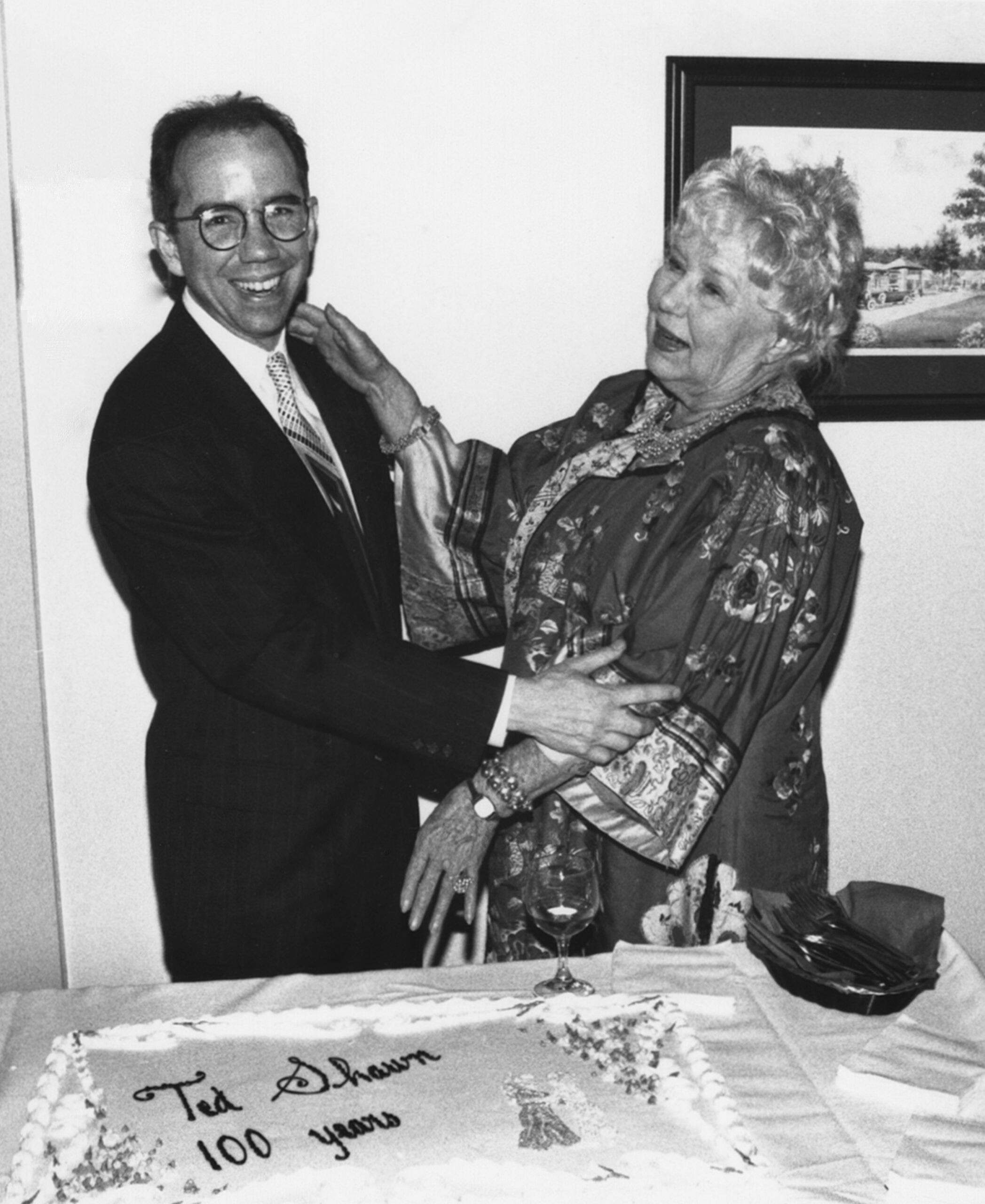
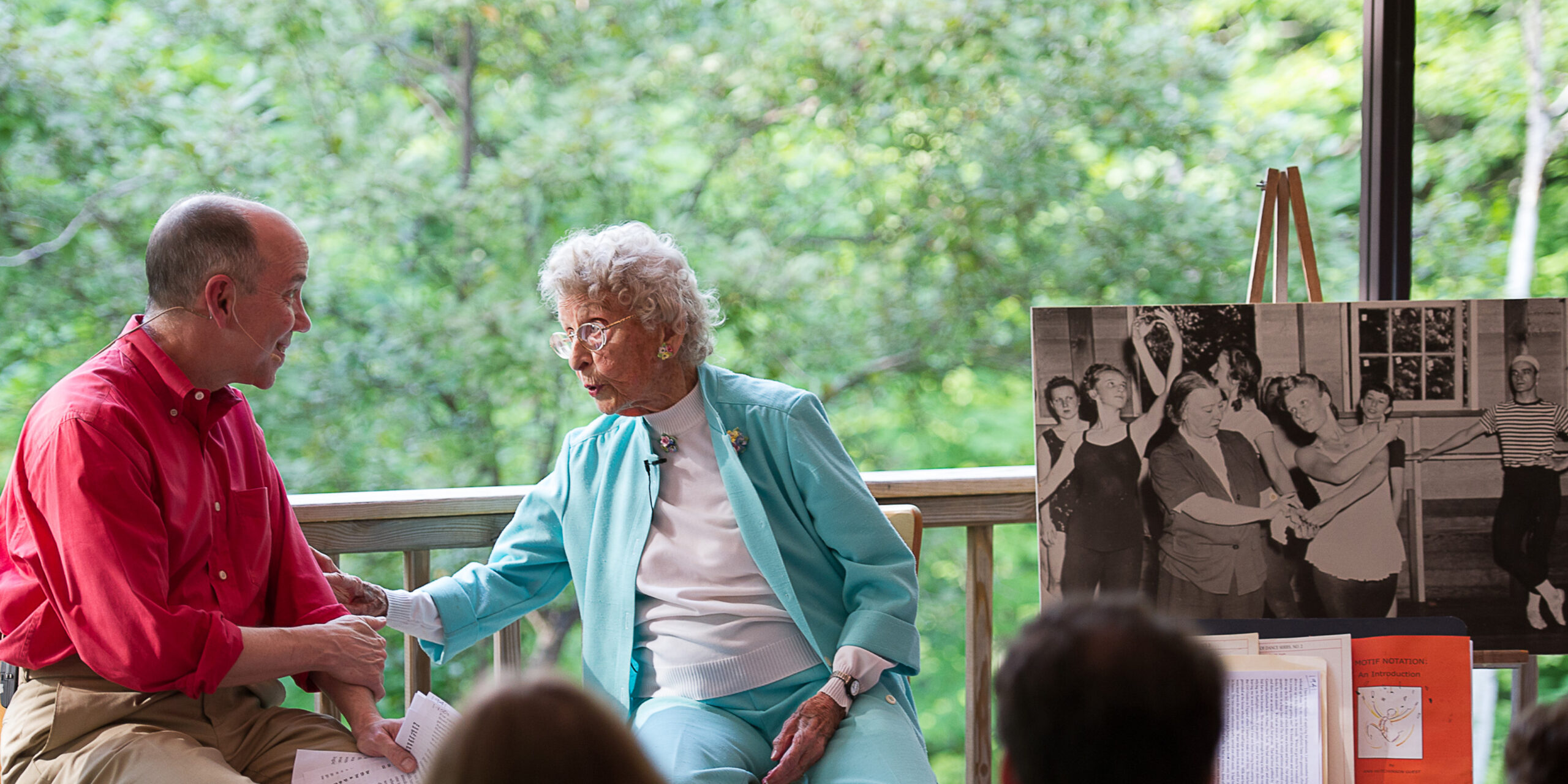
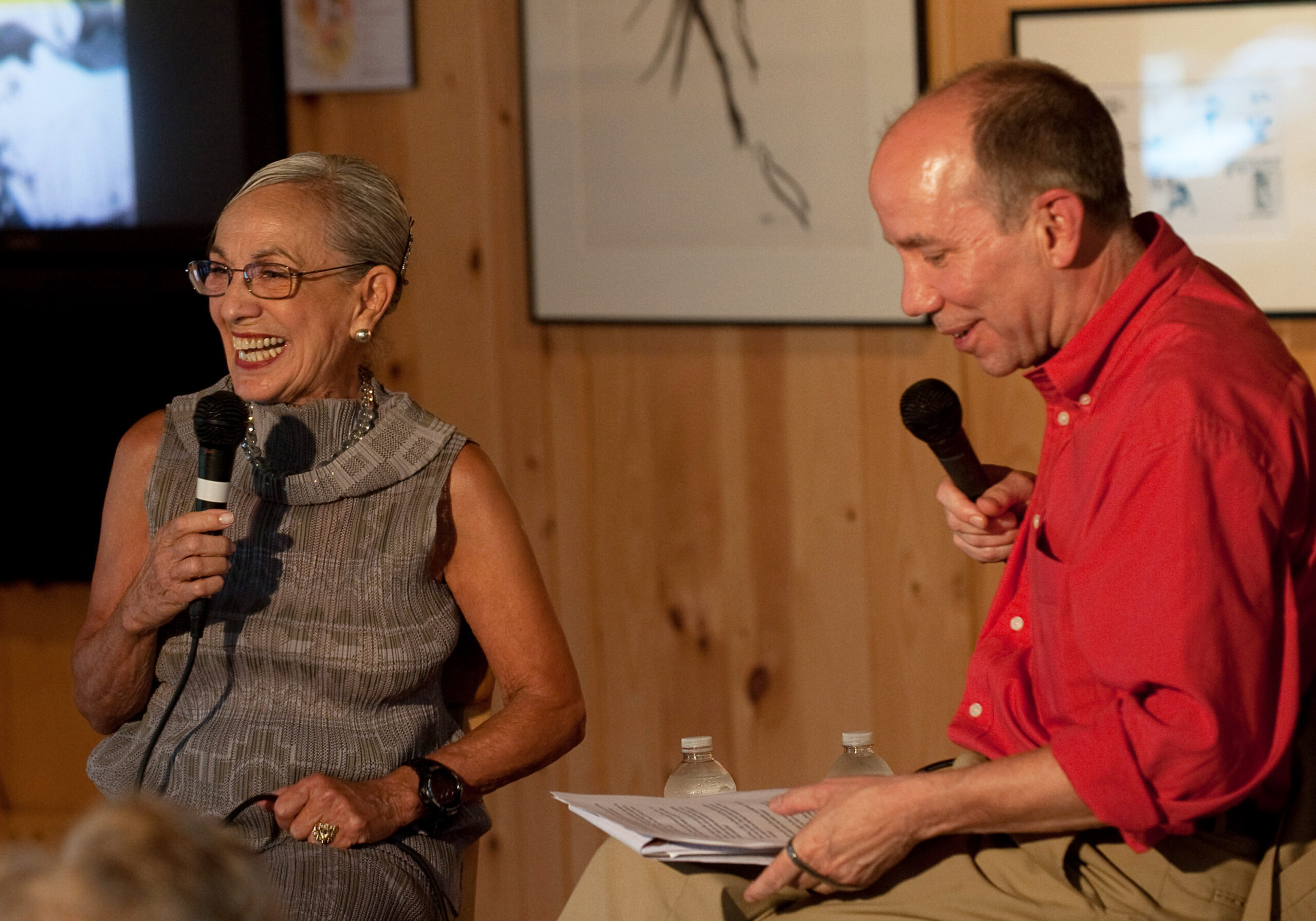
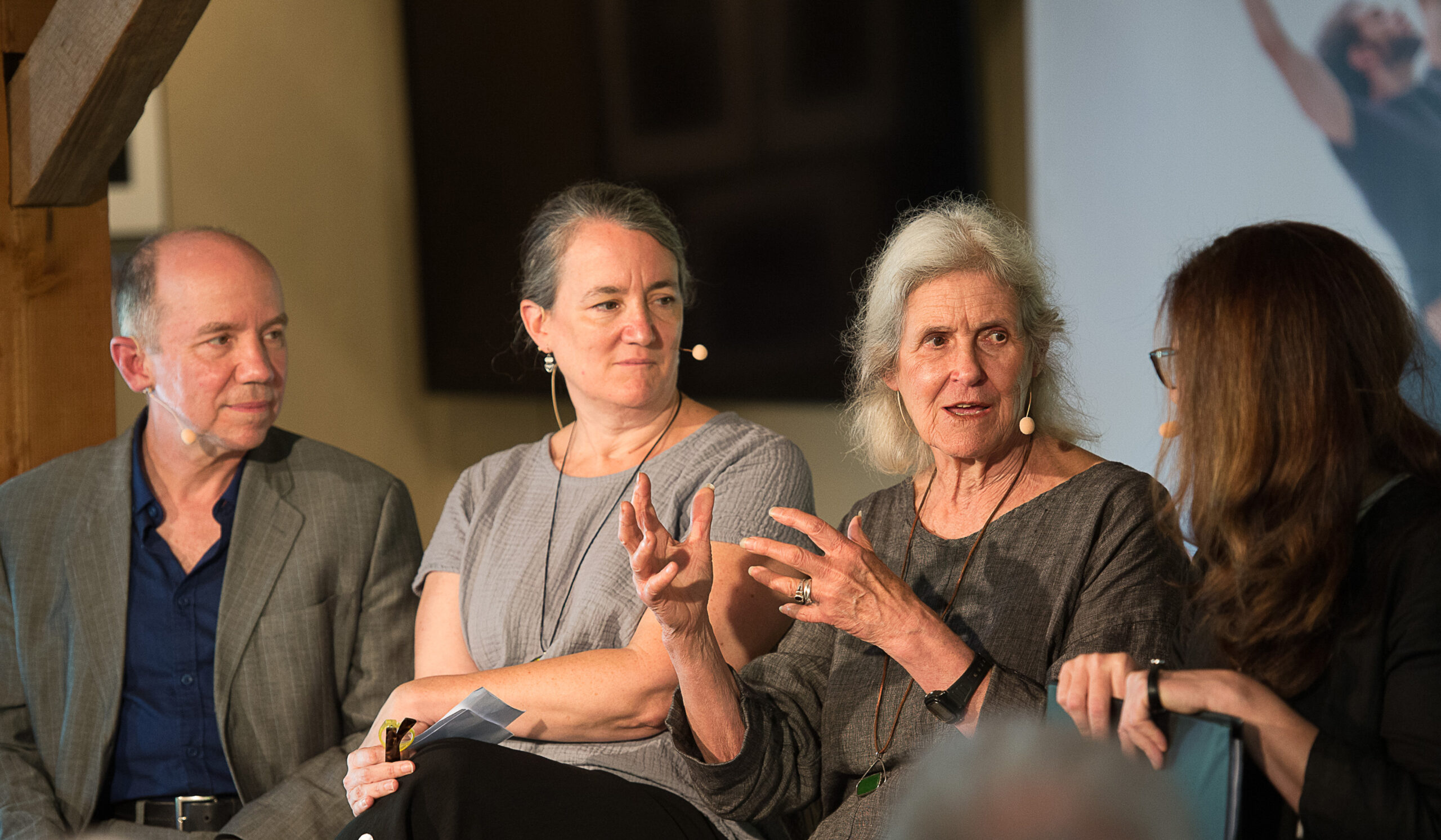
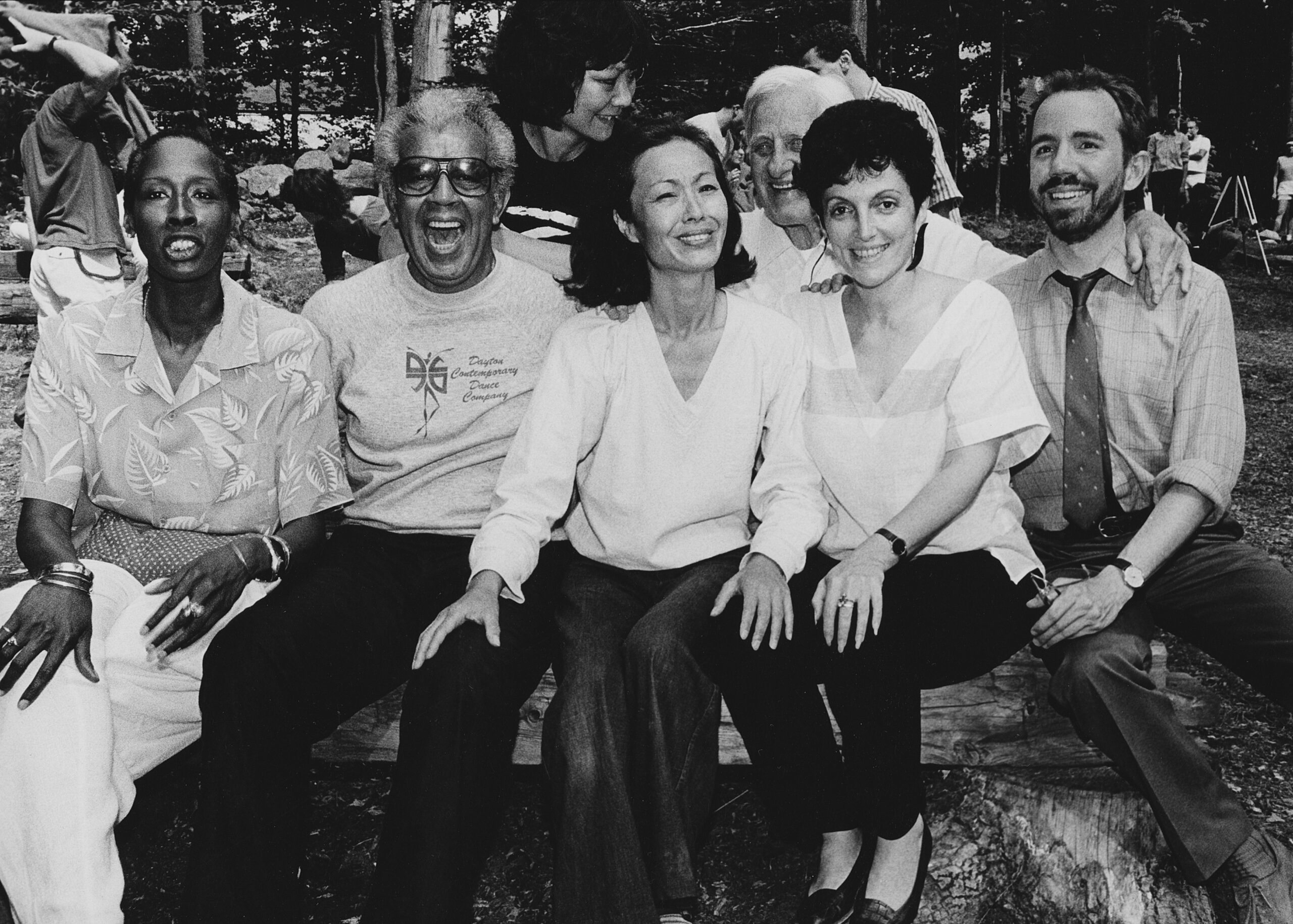
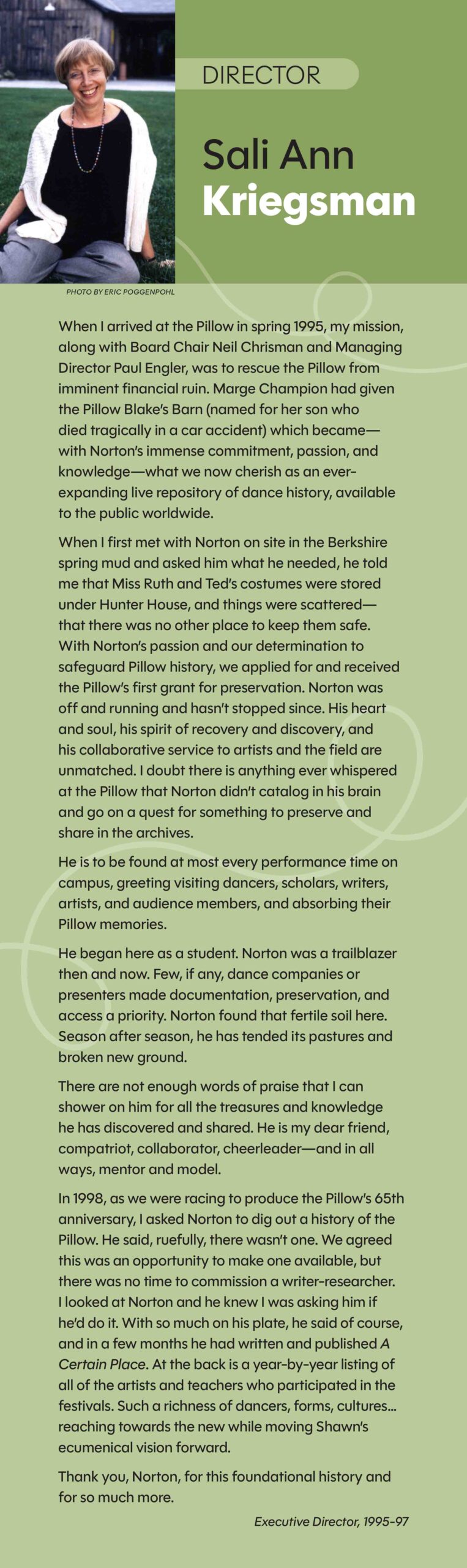
Norton cherishes the people who have been part of the Pillow’s story. They included Jess Meeker, Ted Shawn’s pianist and composer; Barton Mumaw, lead dancer for Ted Shawn and His Men Dancers; Jane Sherman, former Denishawn dancer and author; dance notation pioneer Ann Hutchinson Guest; writer/dancer Deborah Jowitt; dancer Marge Champion; dancer/choreographer Donald McKayle, and many others. He welcomes the rest of us, so that we, too, become part of the Pillow story. (The word “griot,” which is the West African term for storyteller, has been used by both Sali Ann Kriegsman and Ella Baff to describe Norton.)
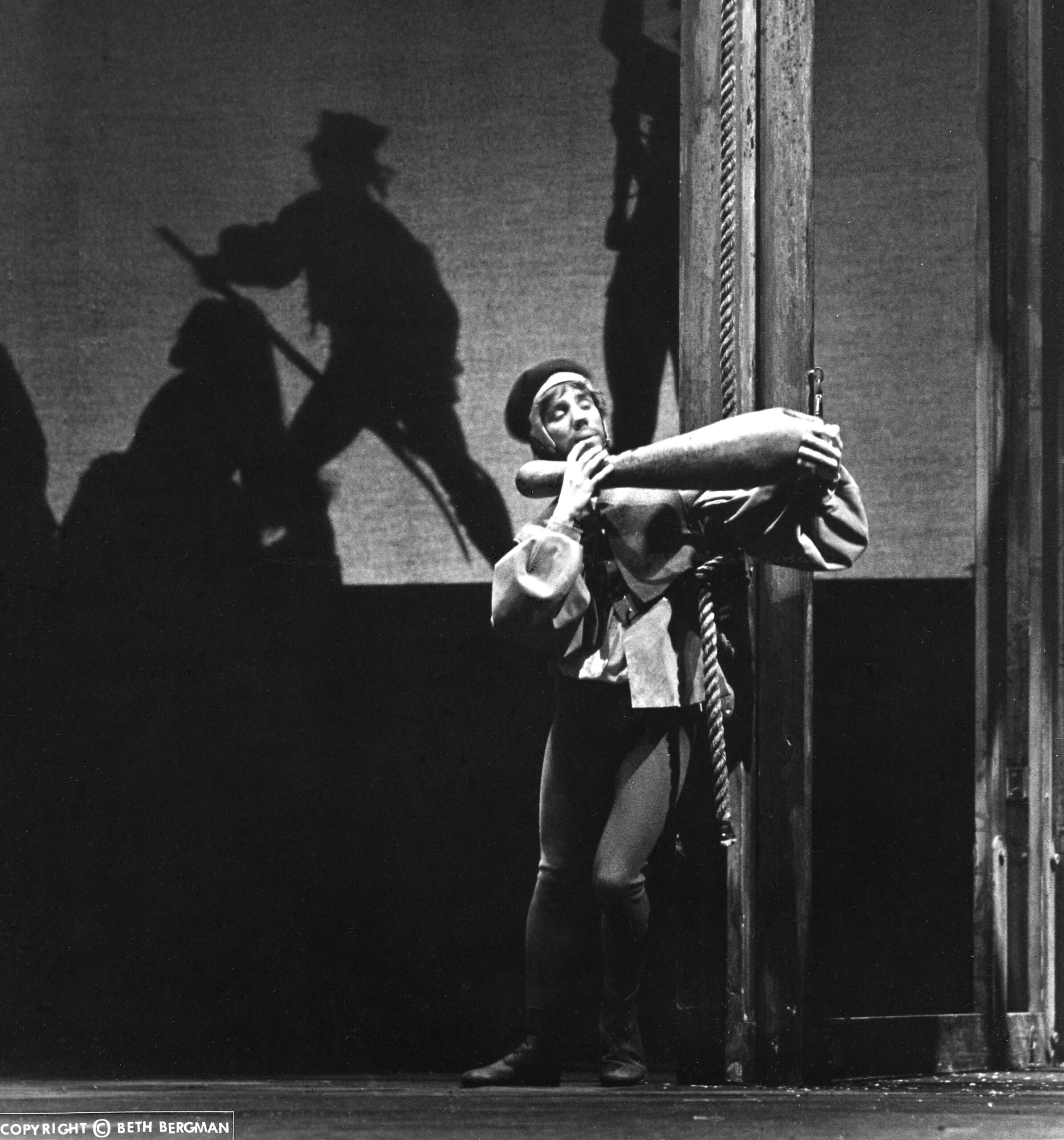
It blew my mind to hear Jess’s first- hand accounts of touring with Shawn’s Men Dancers in the 1930s, and it helped me realize how those stories had shaped what Jacob’s Pillow had become.
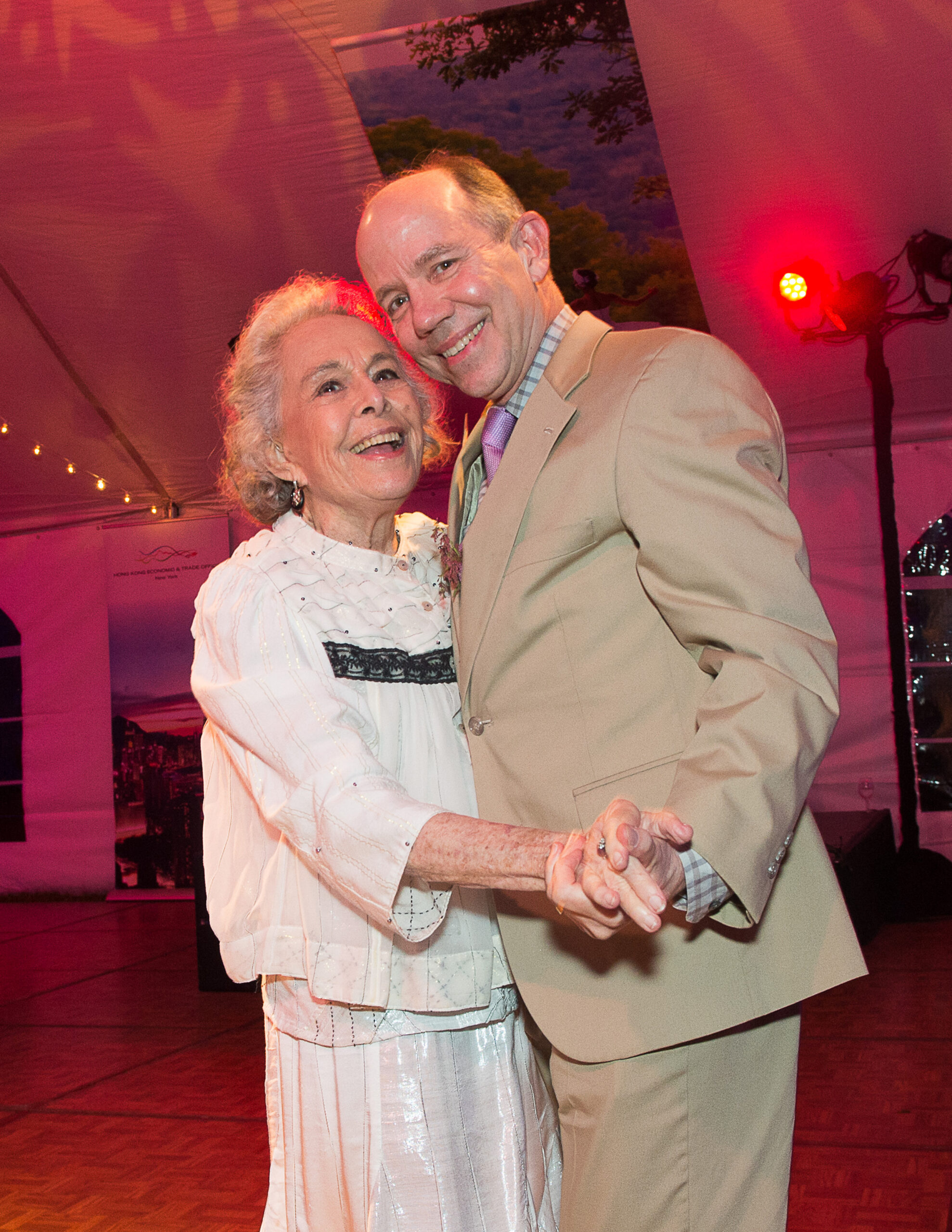
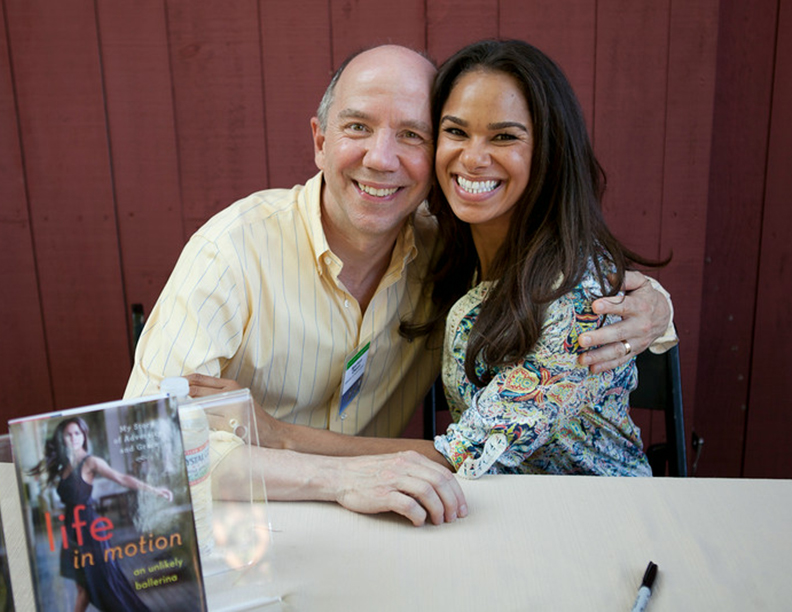

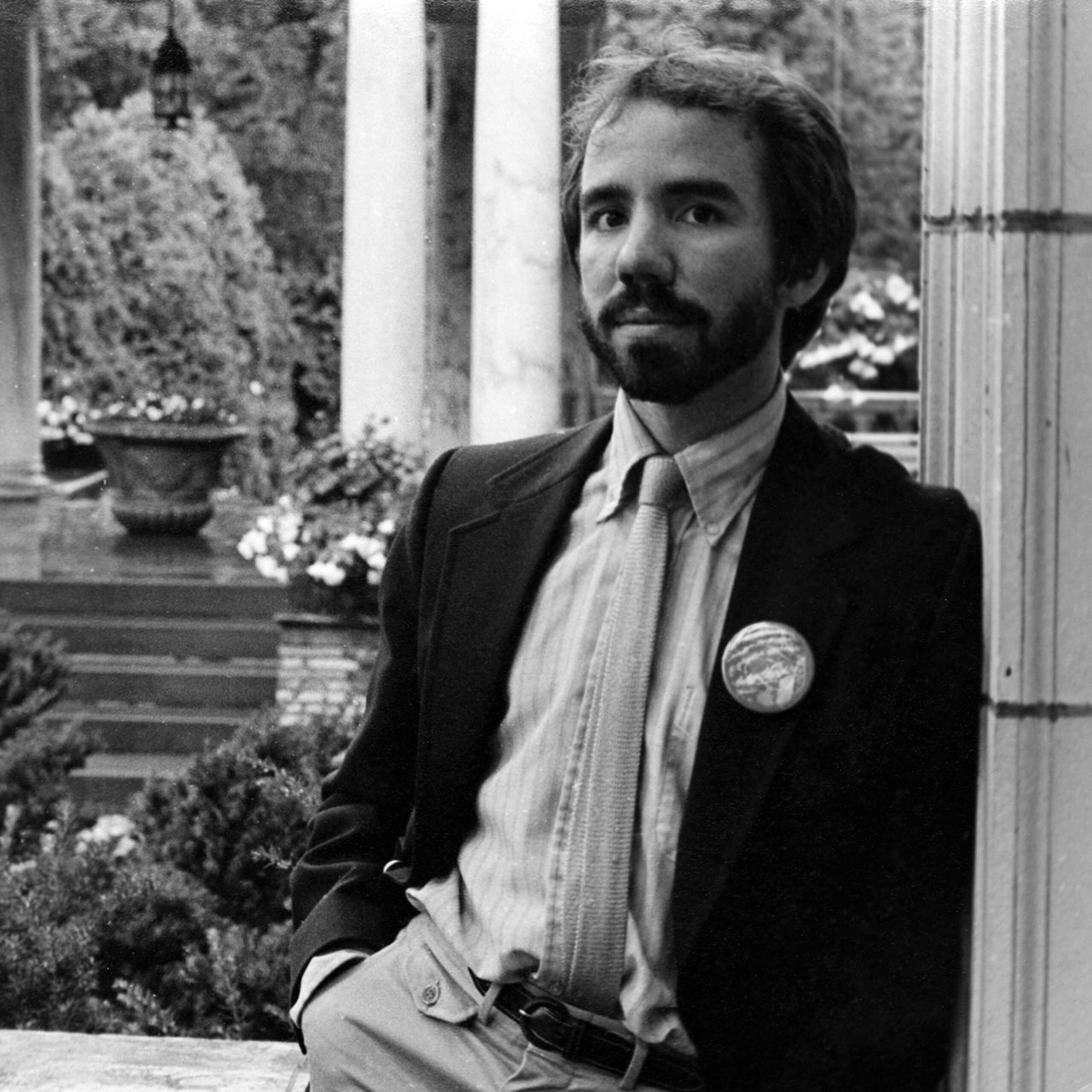
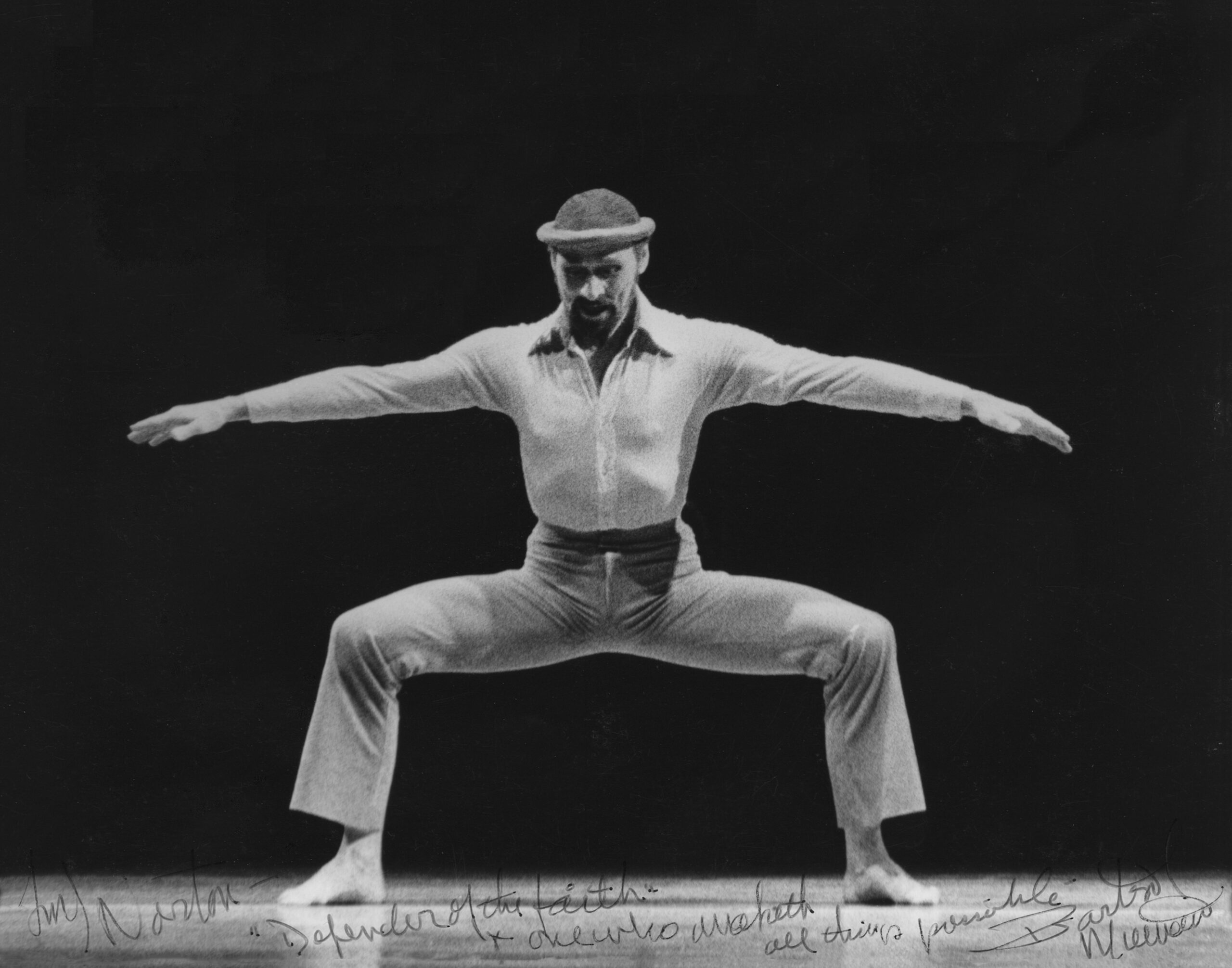
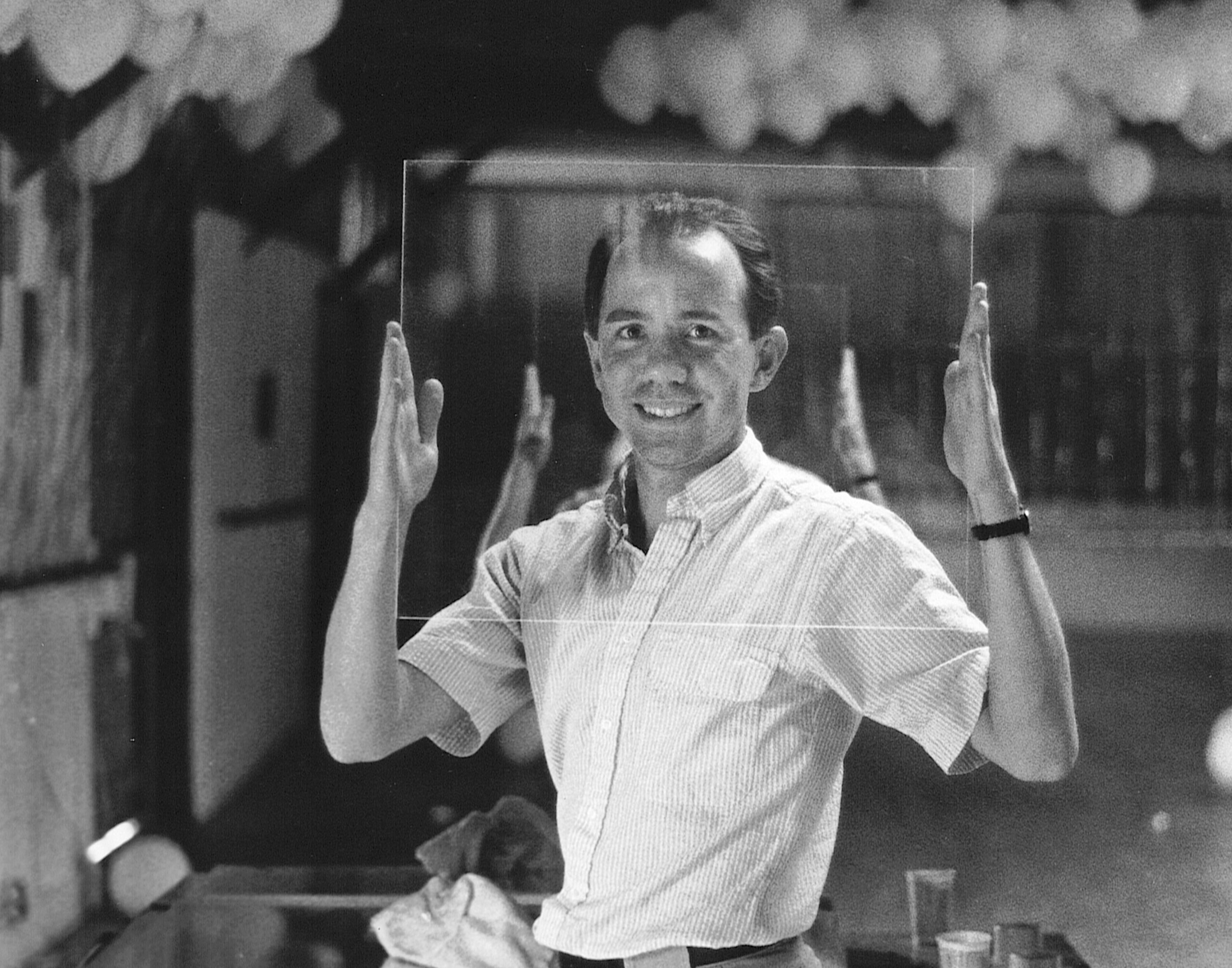
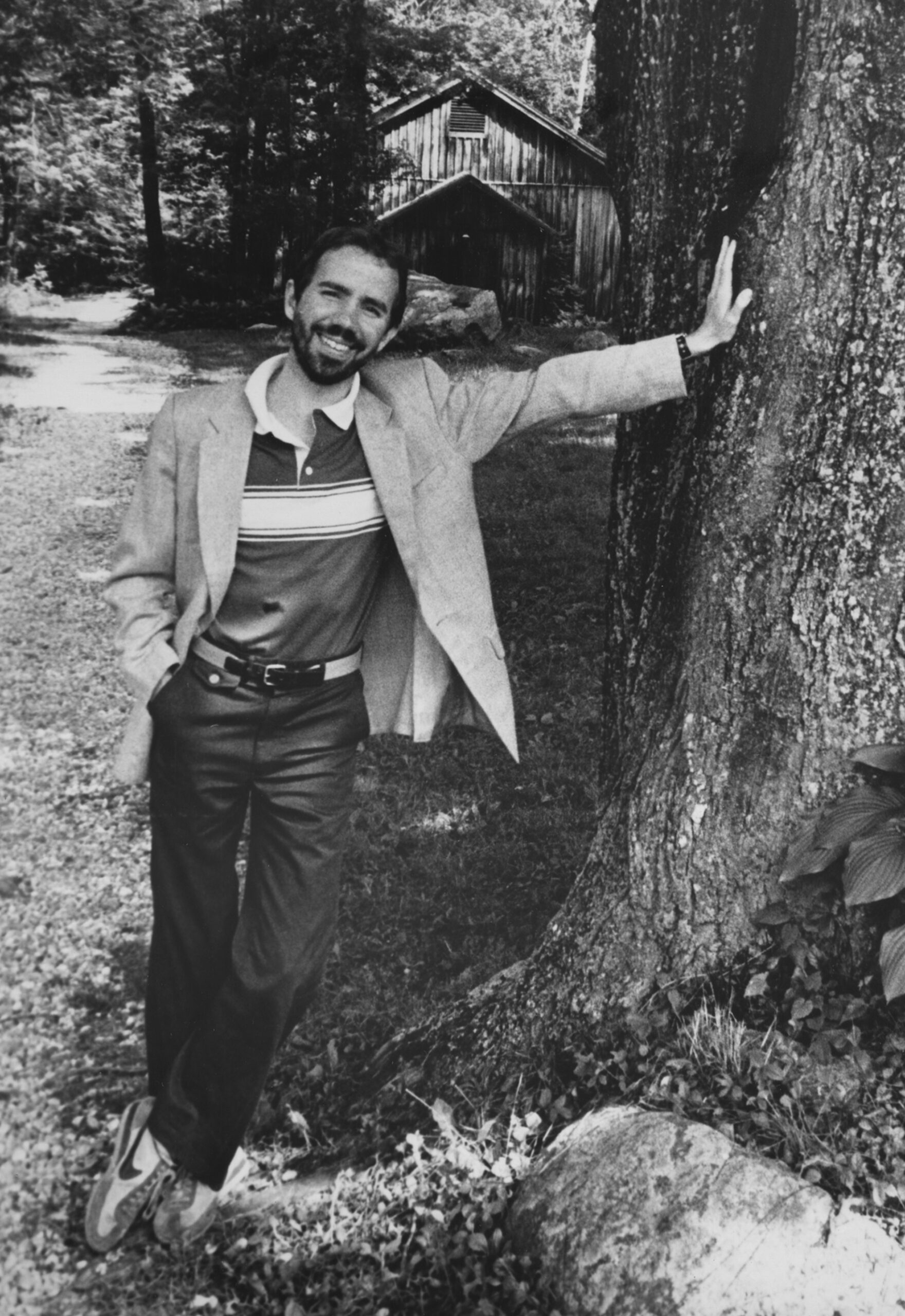
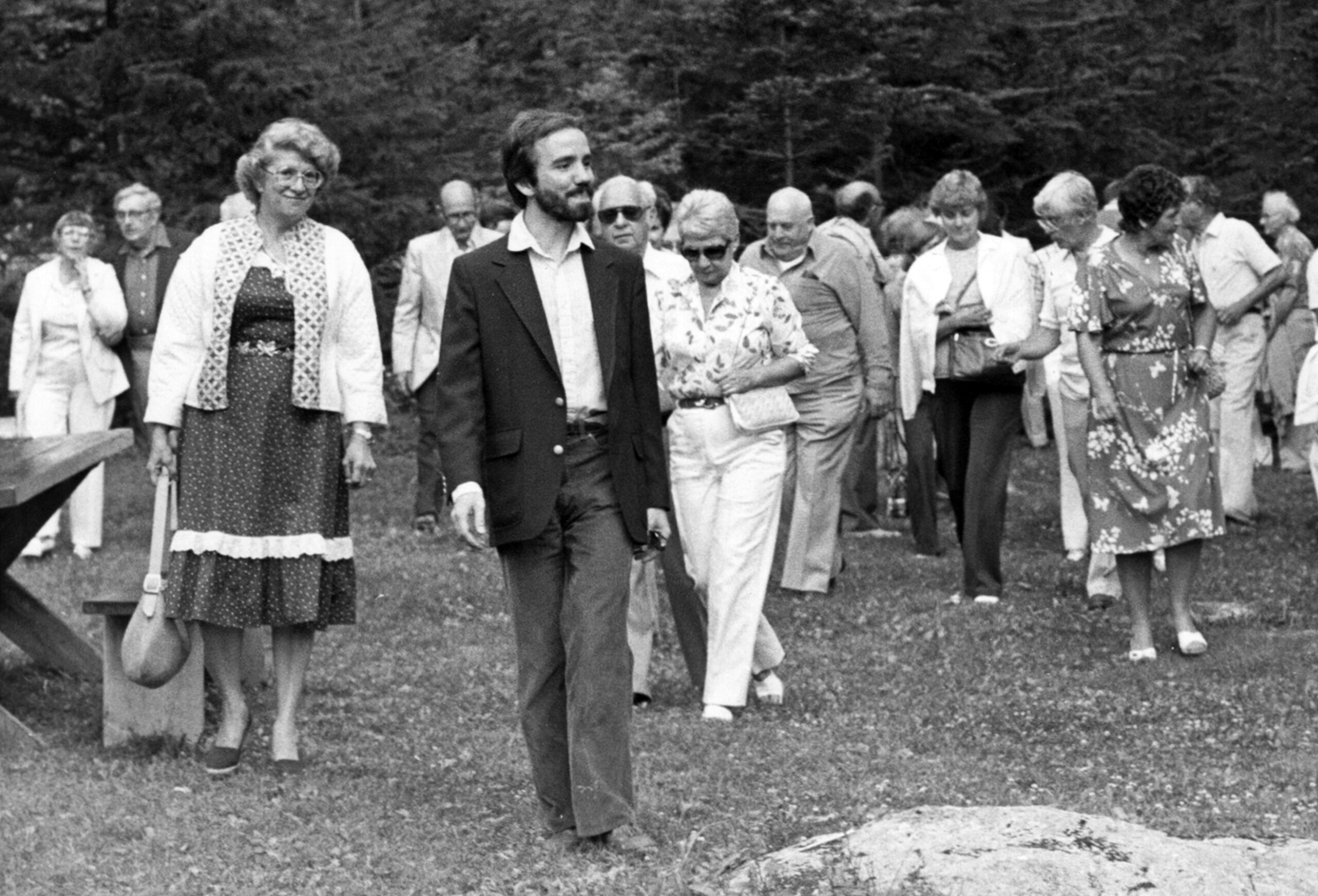
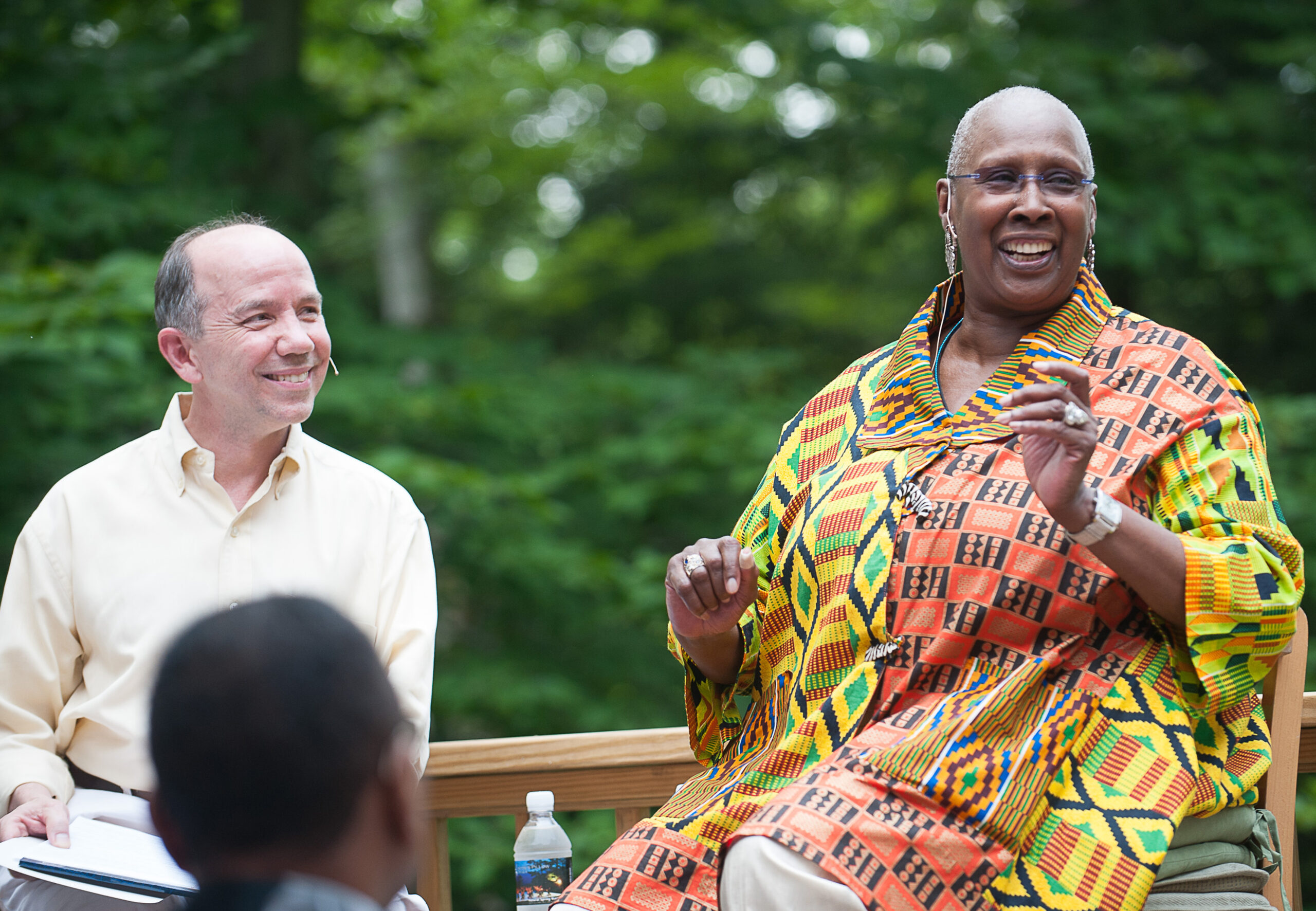
Video Selections
Memorable Moments: Old and New
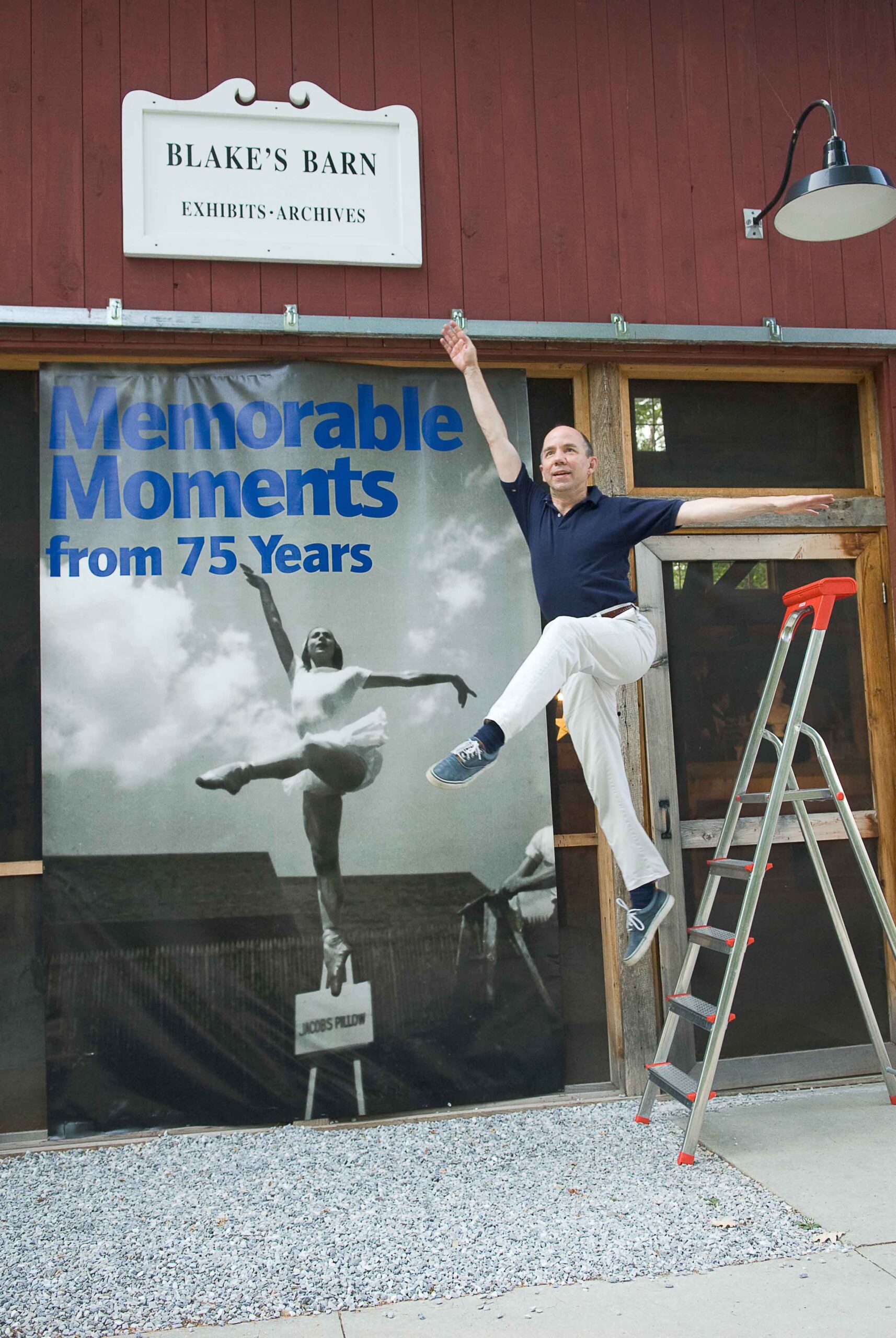
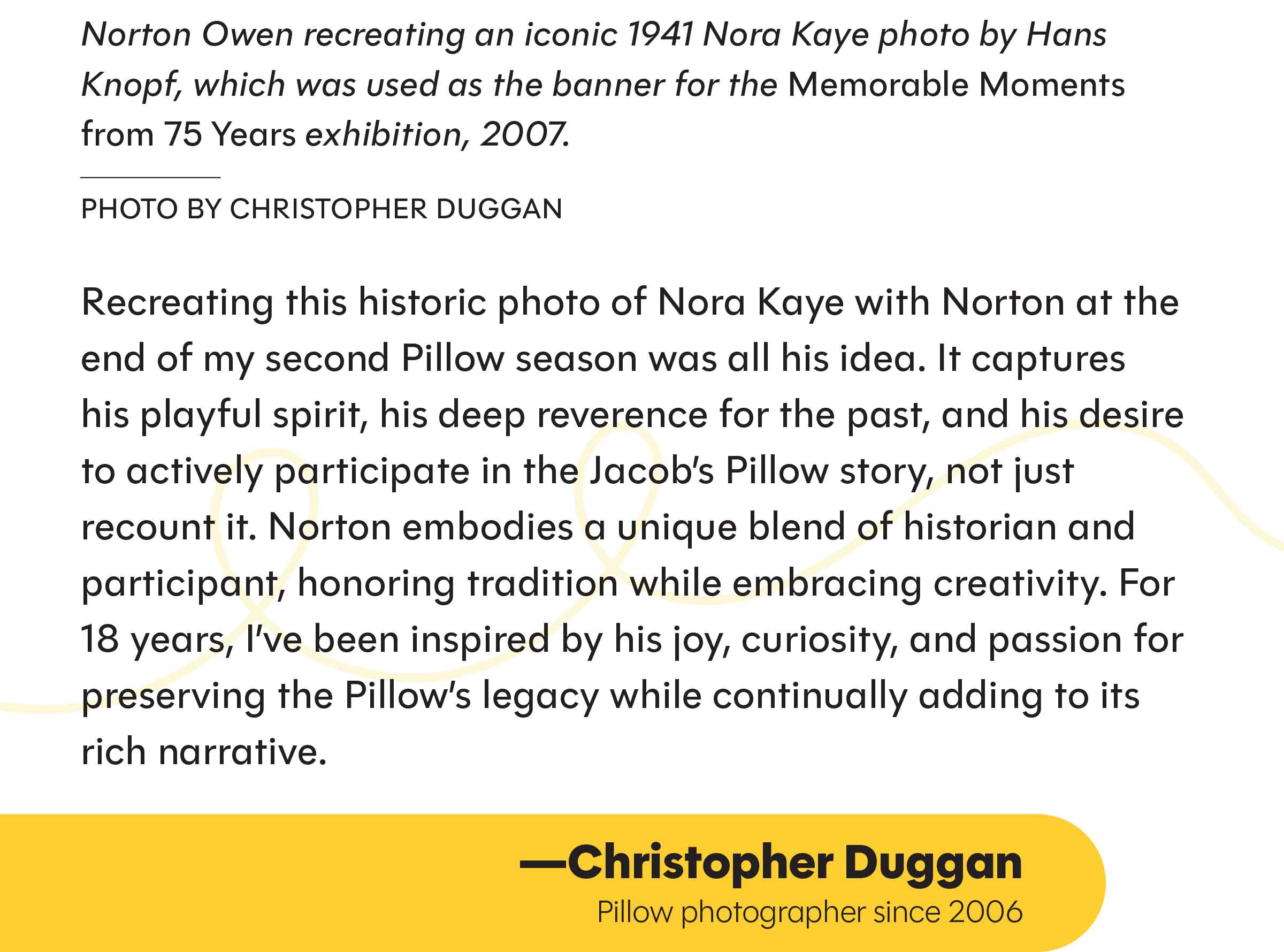
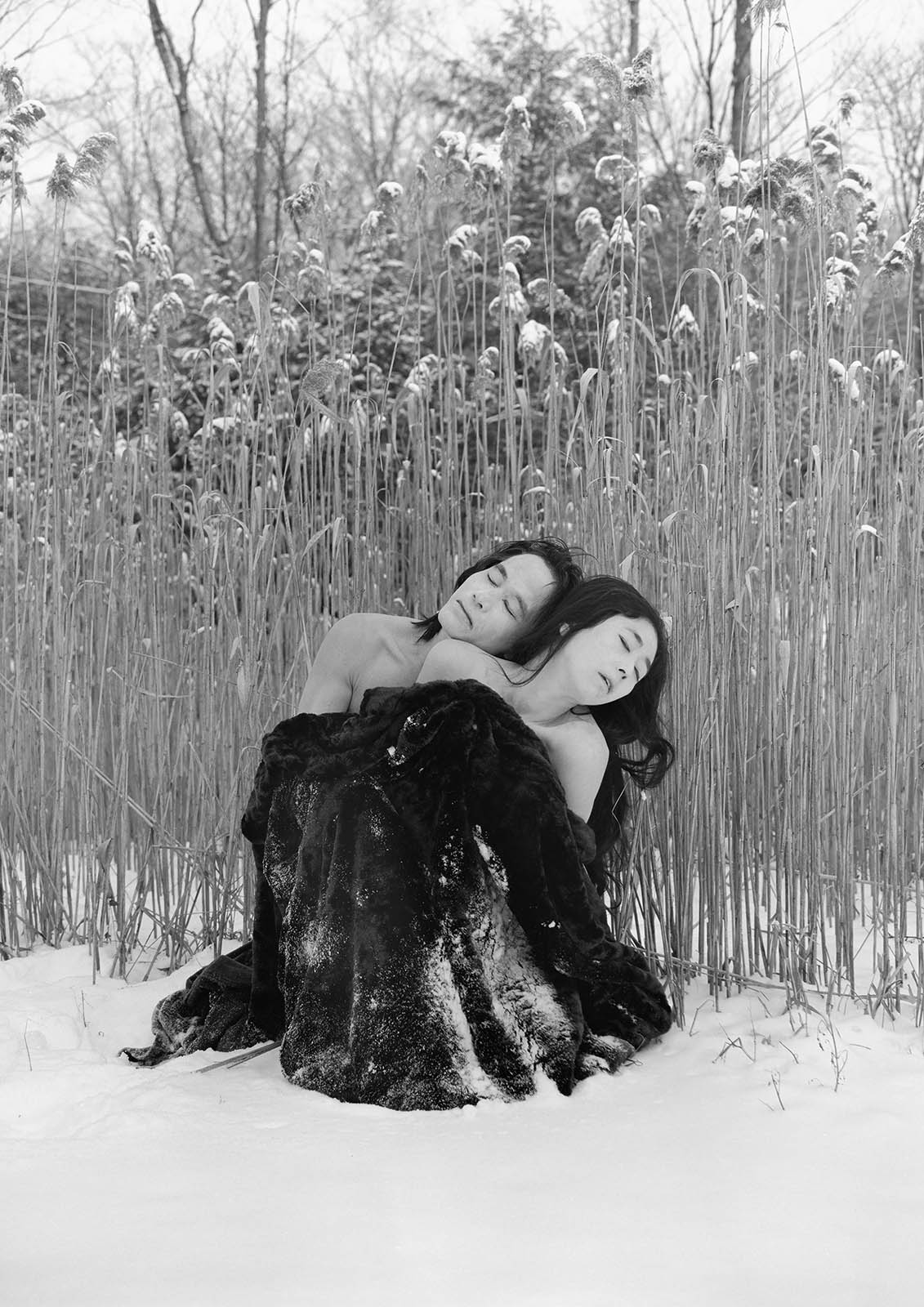
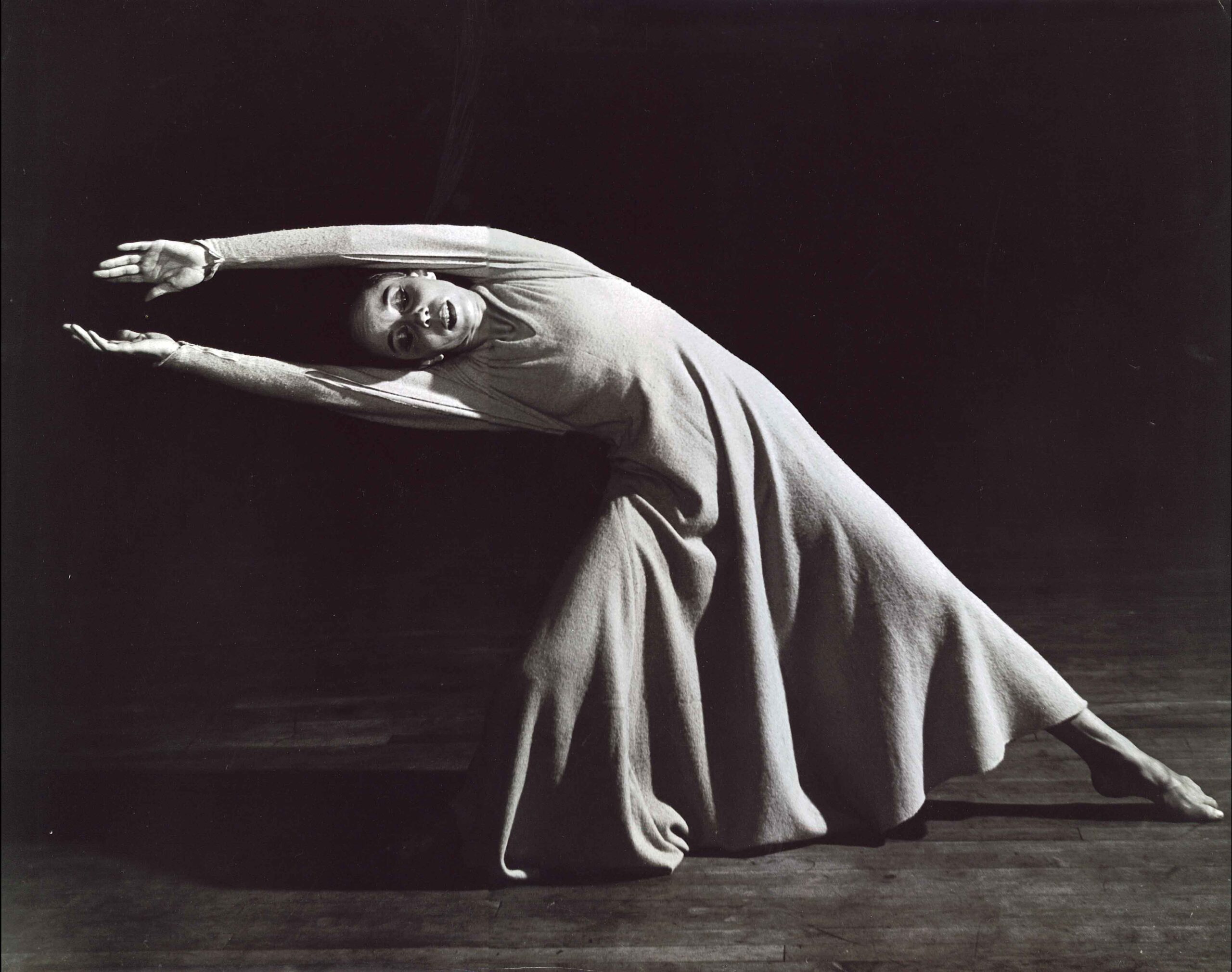
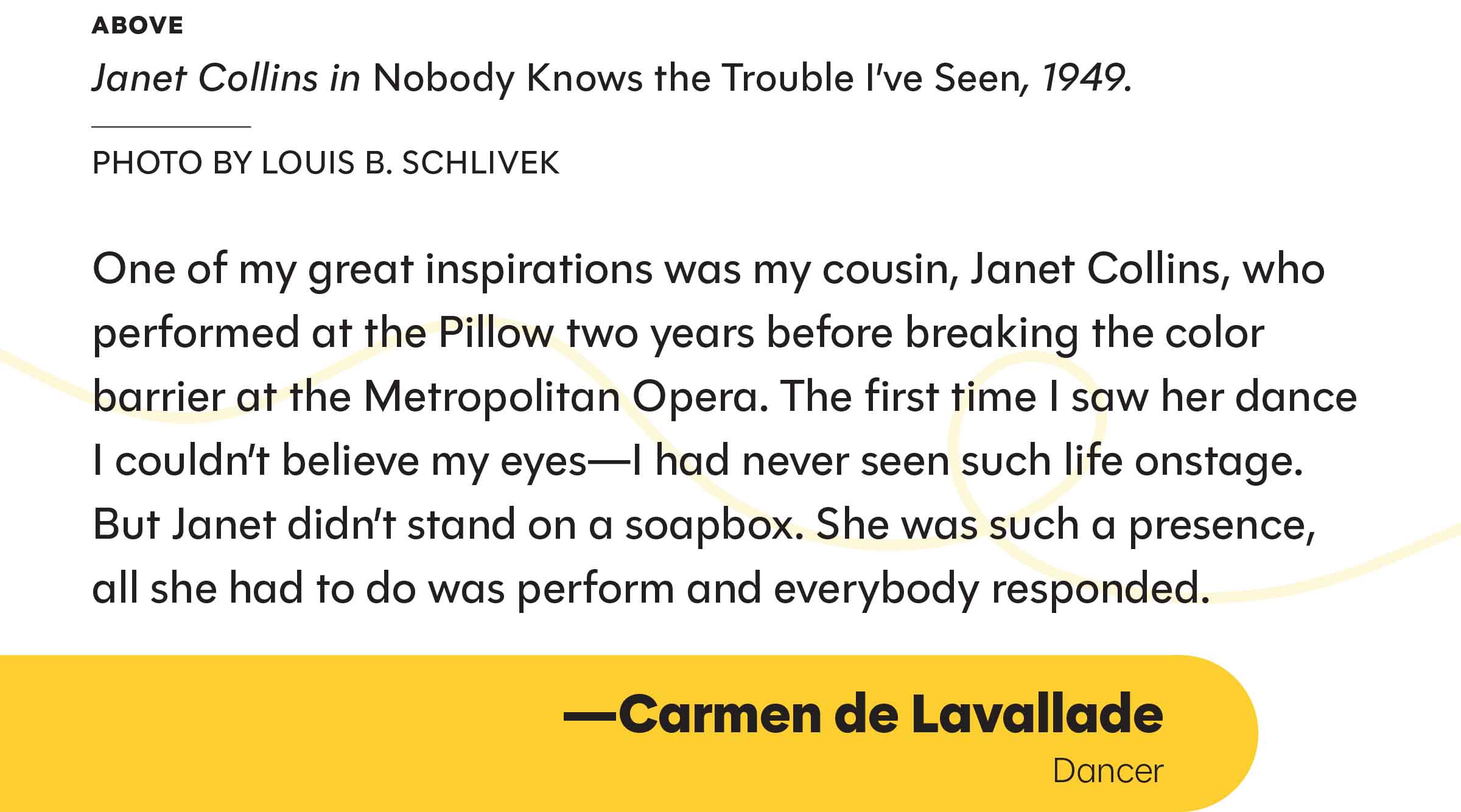
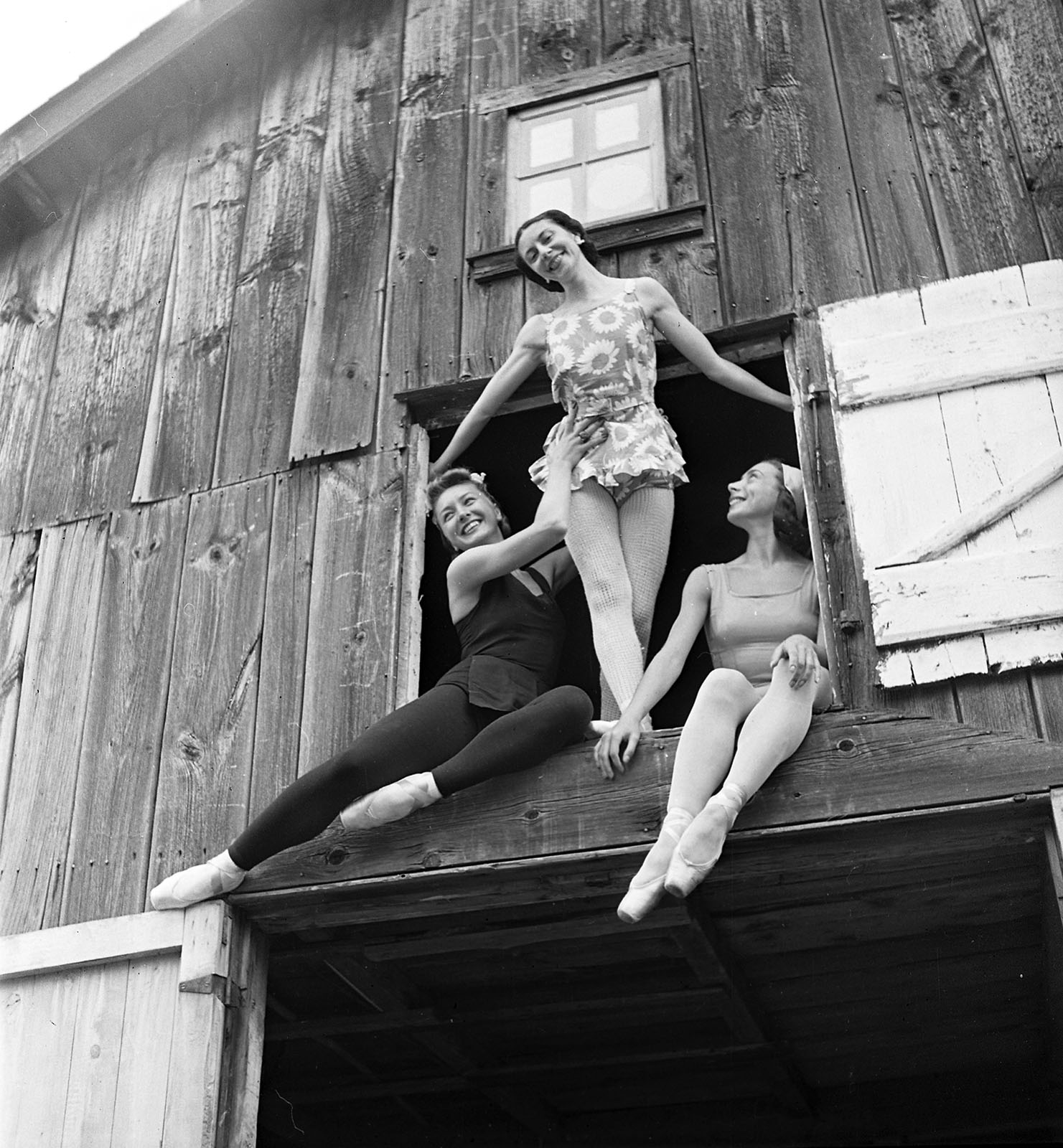
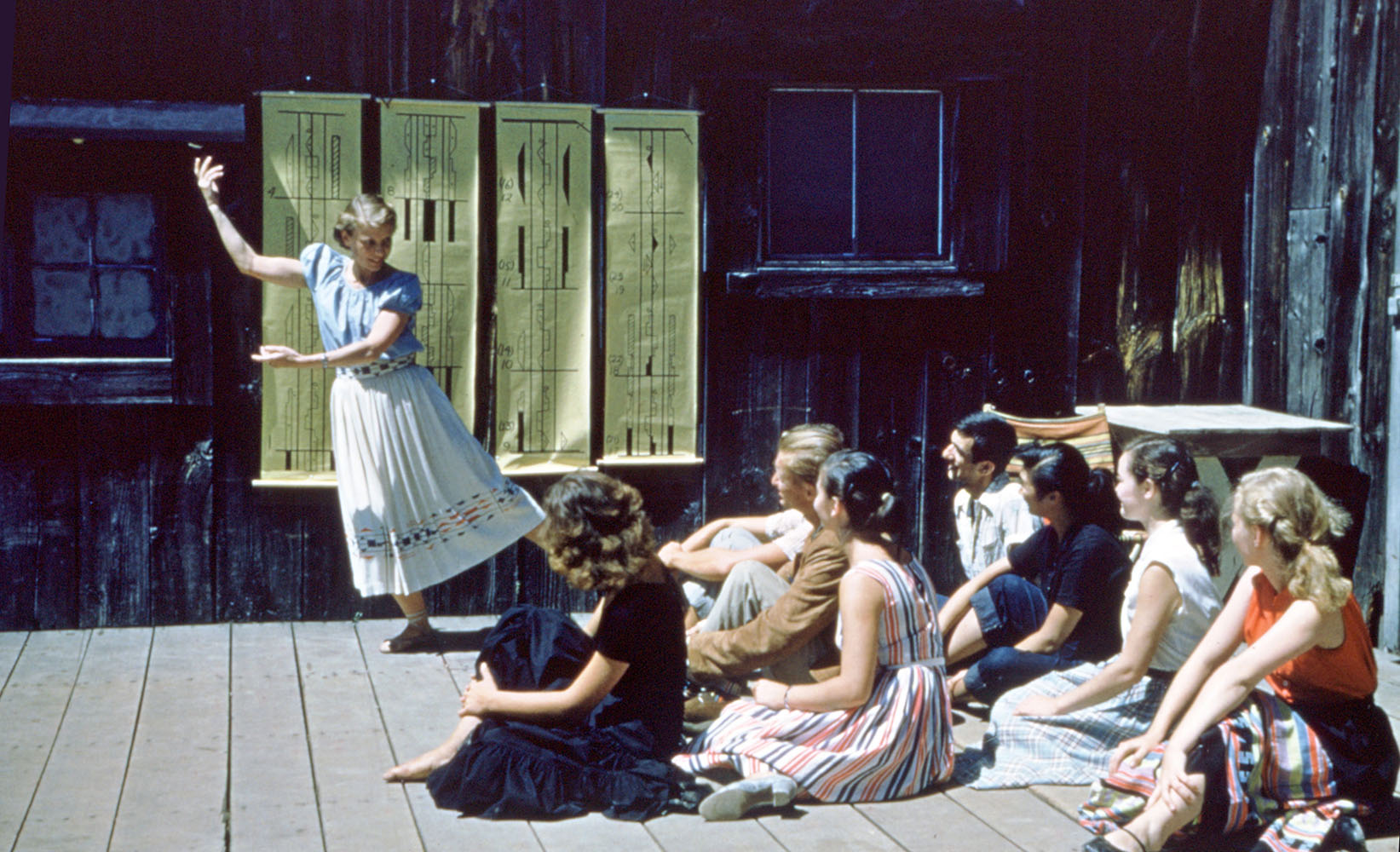
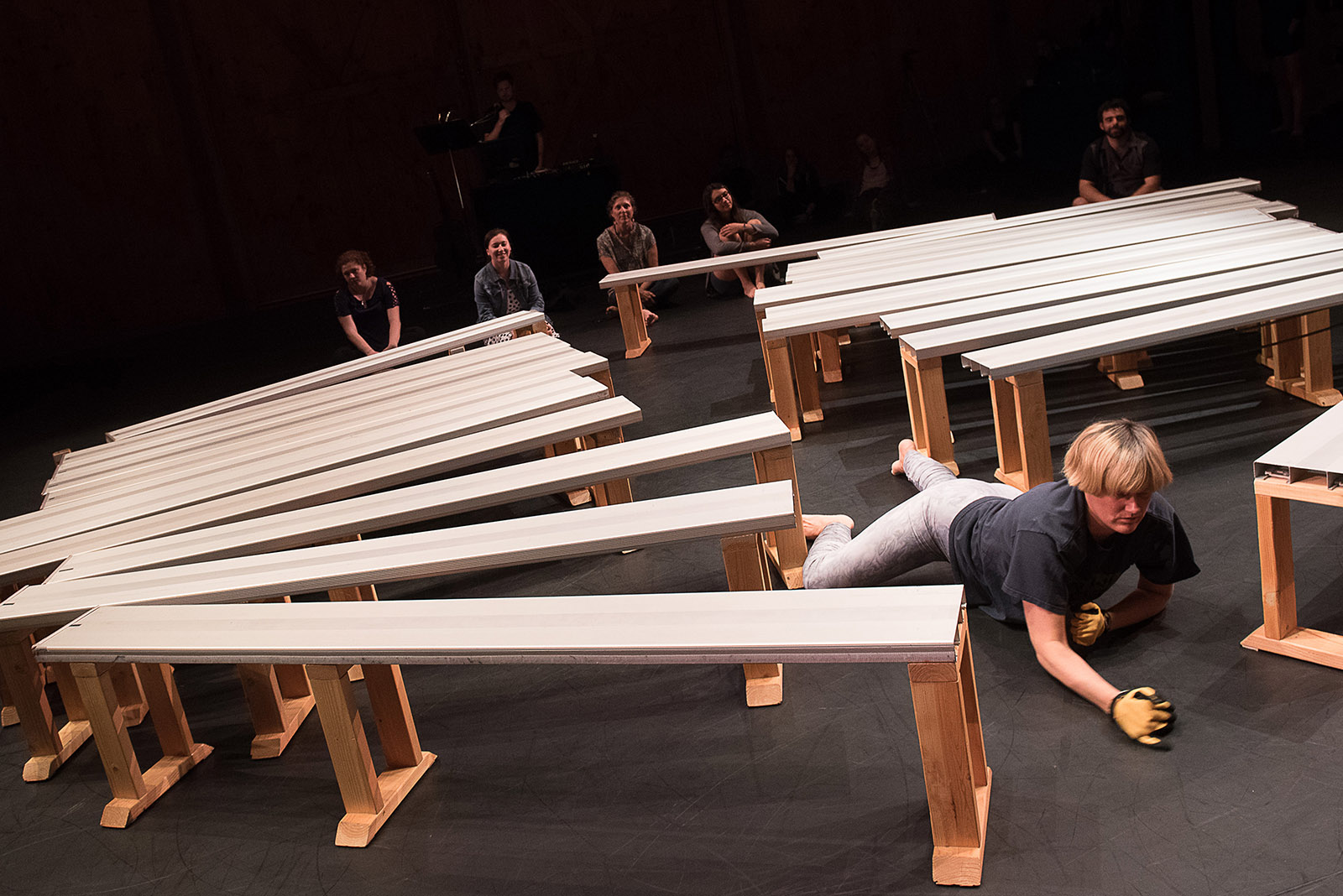
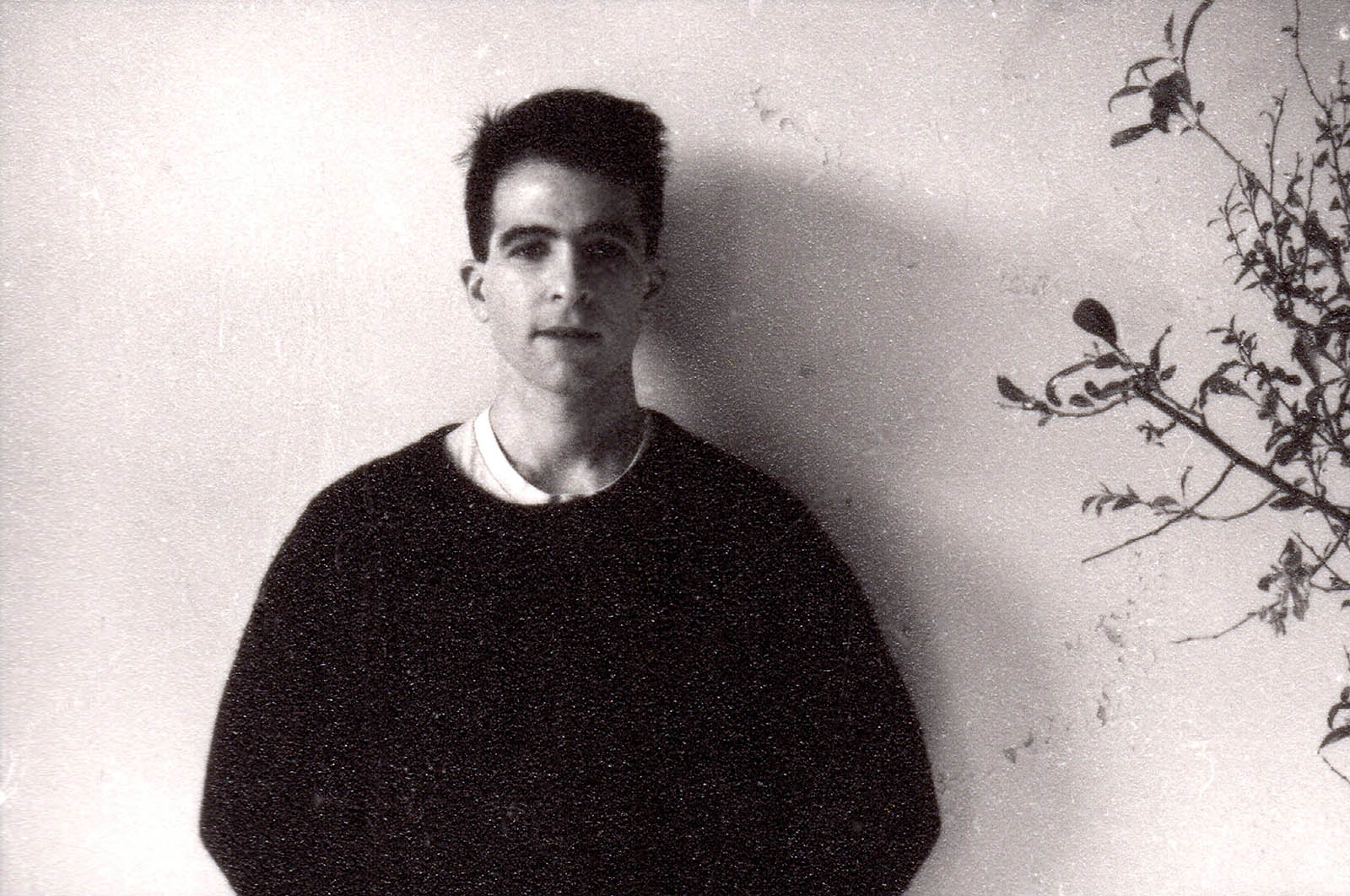
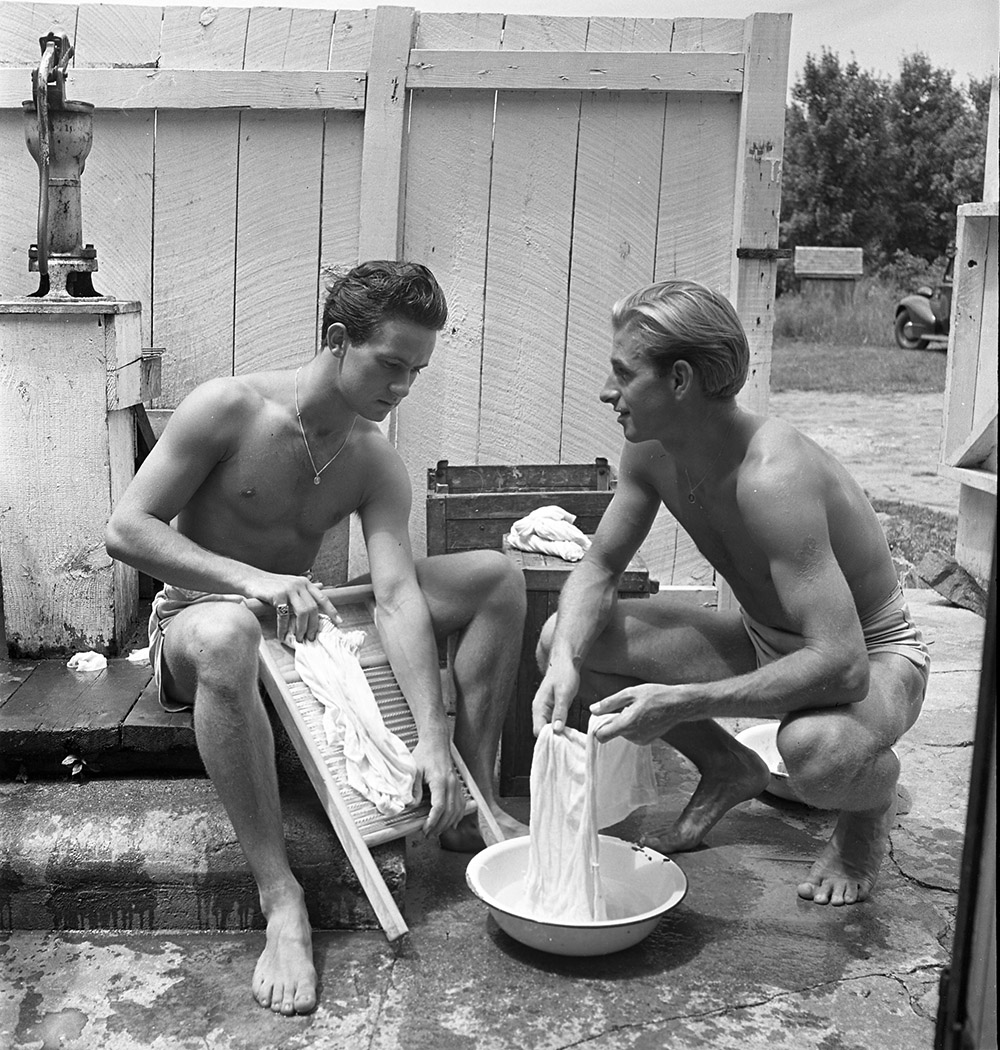
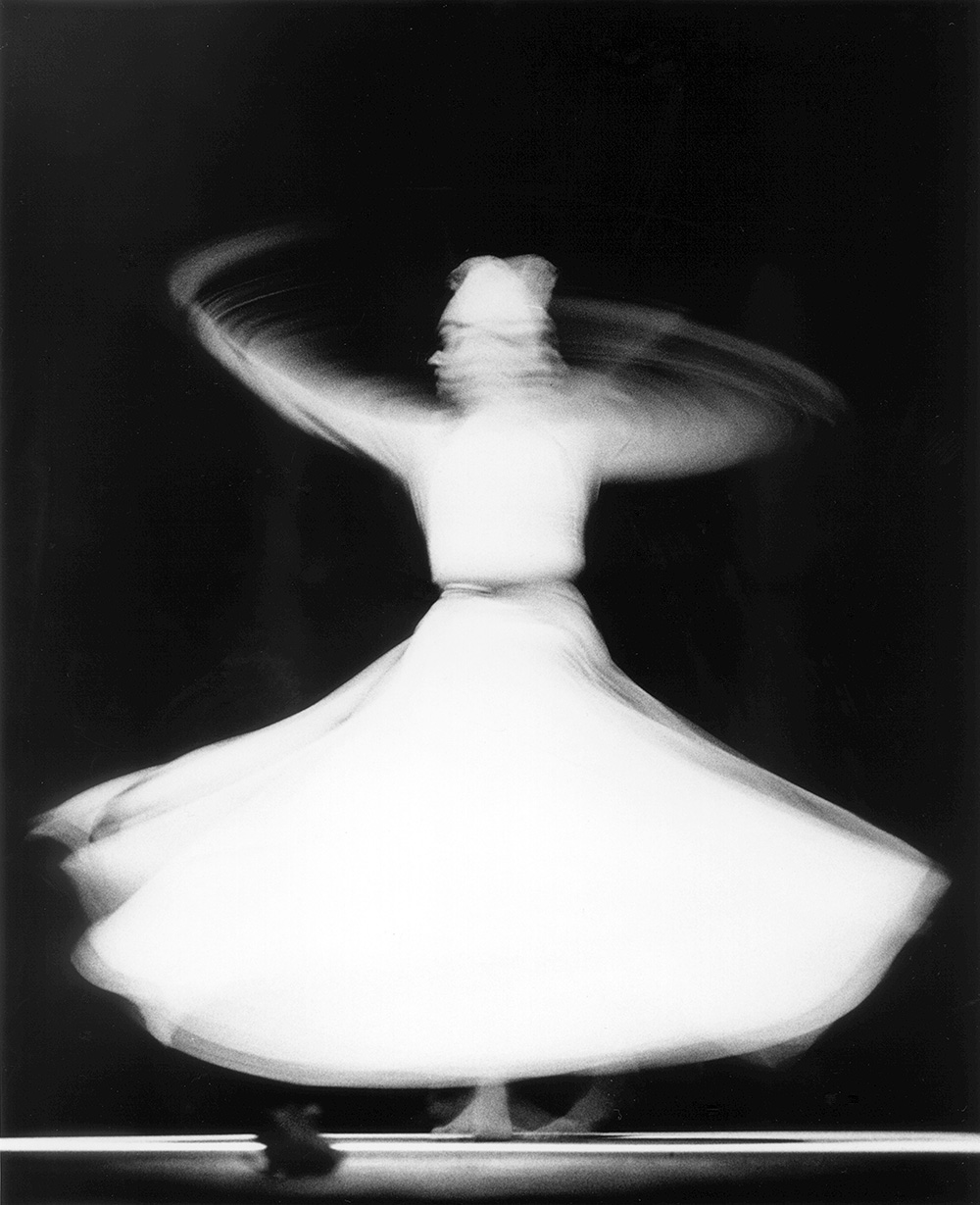
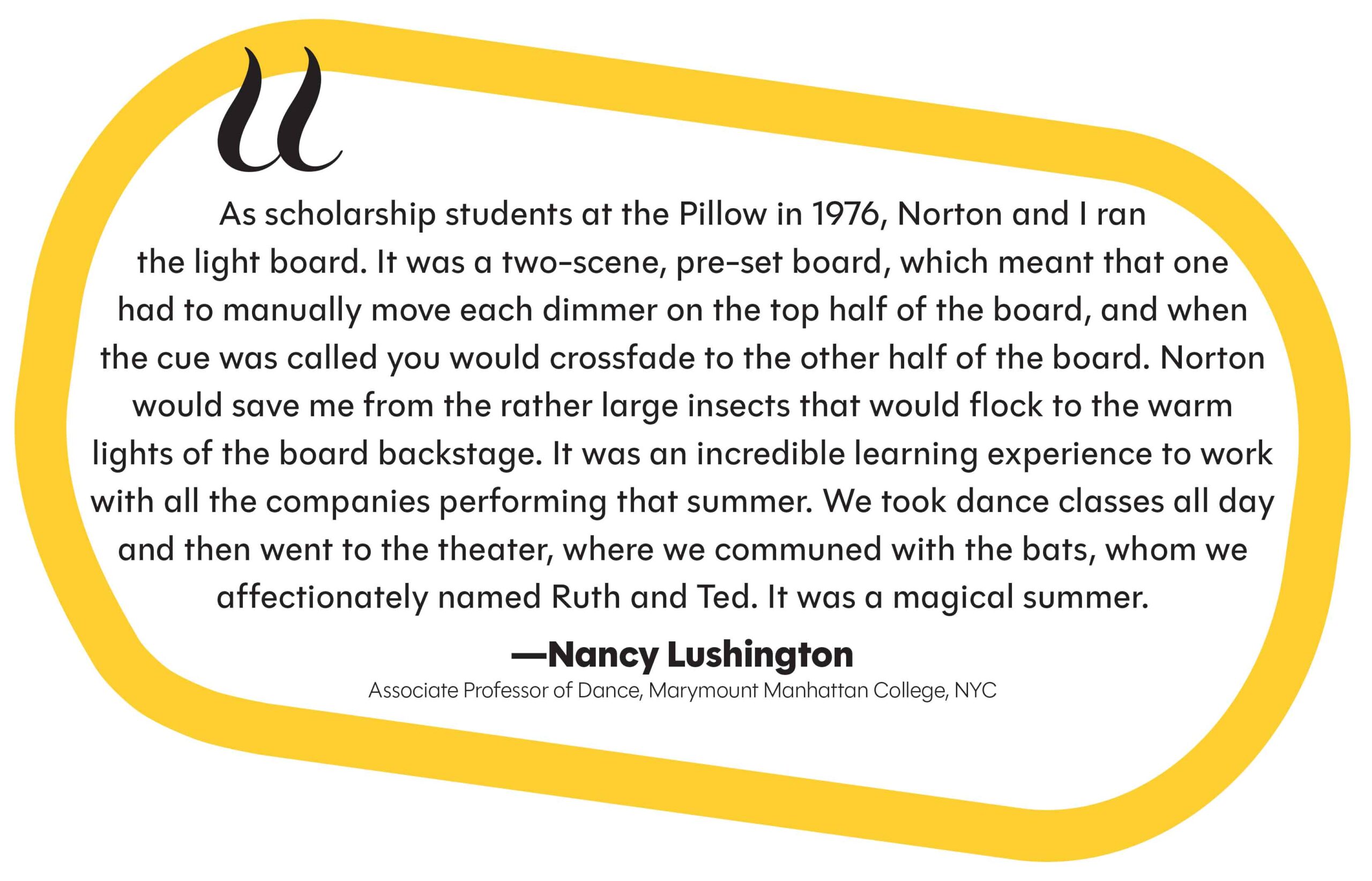
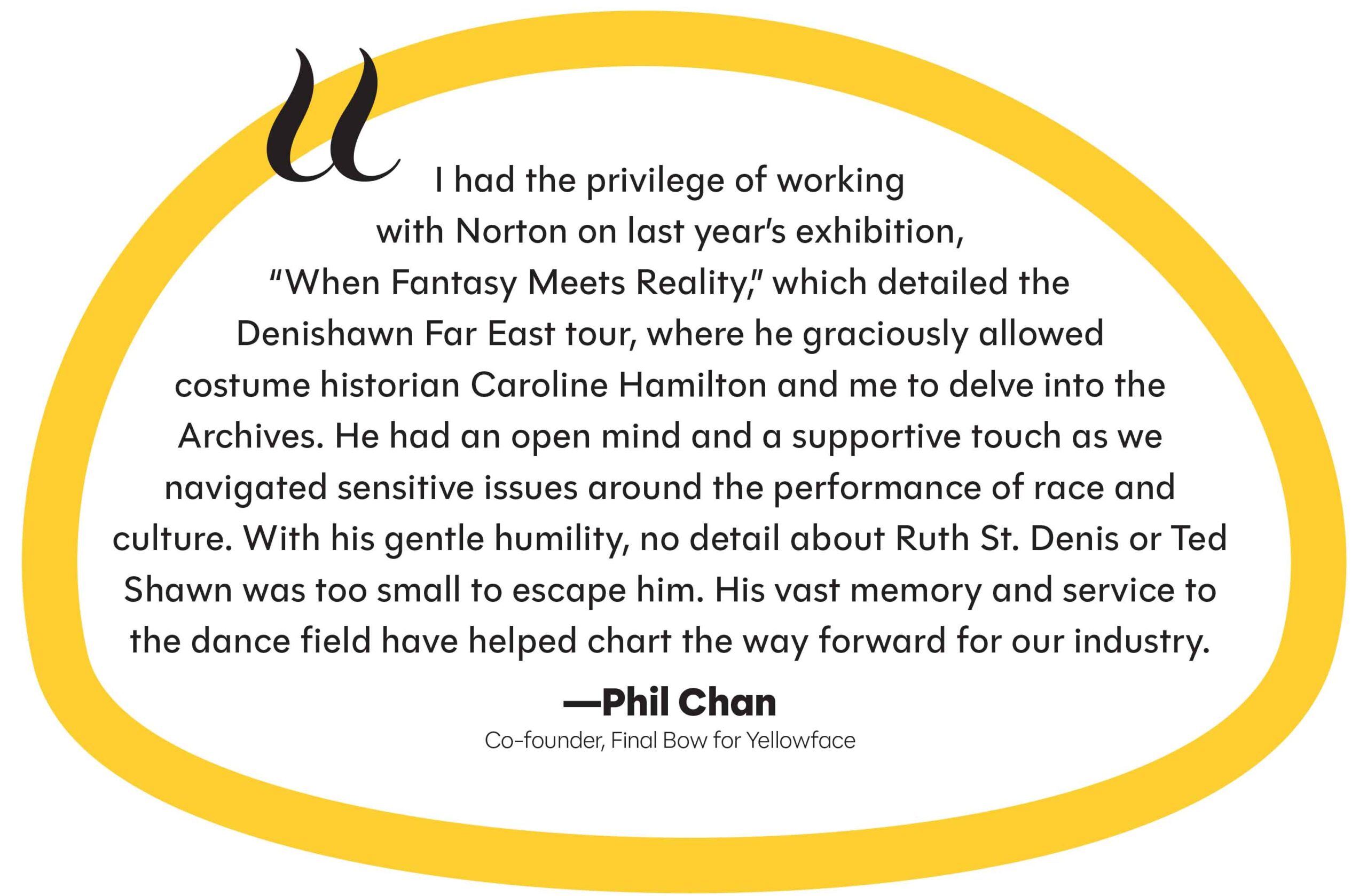
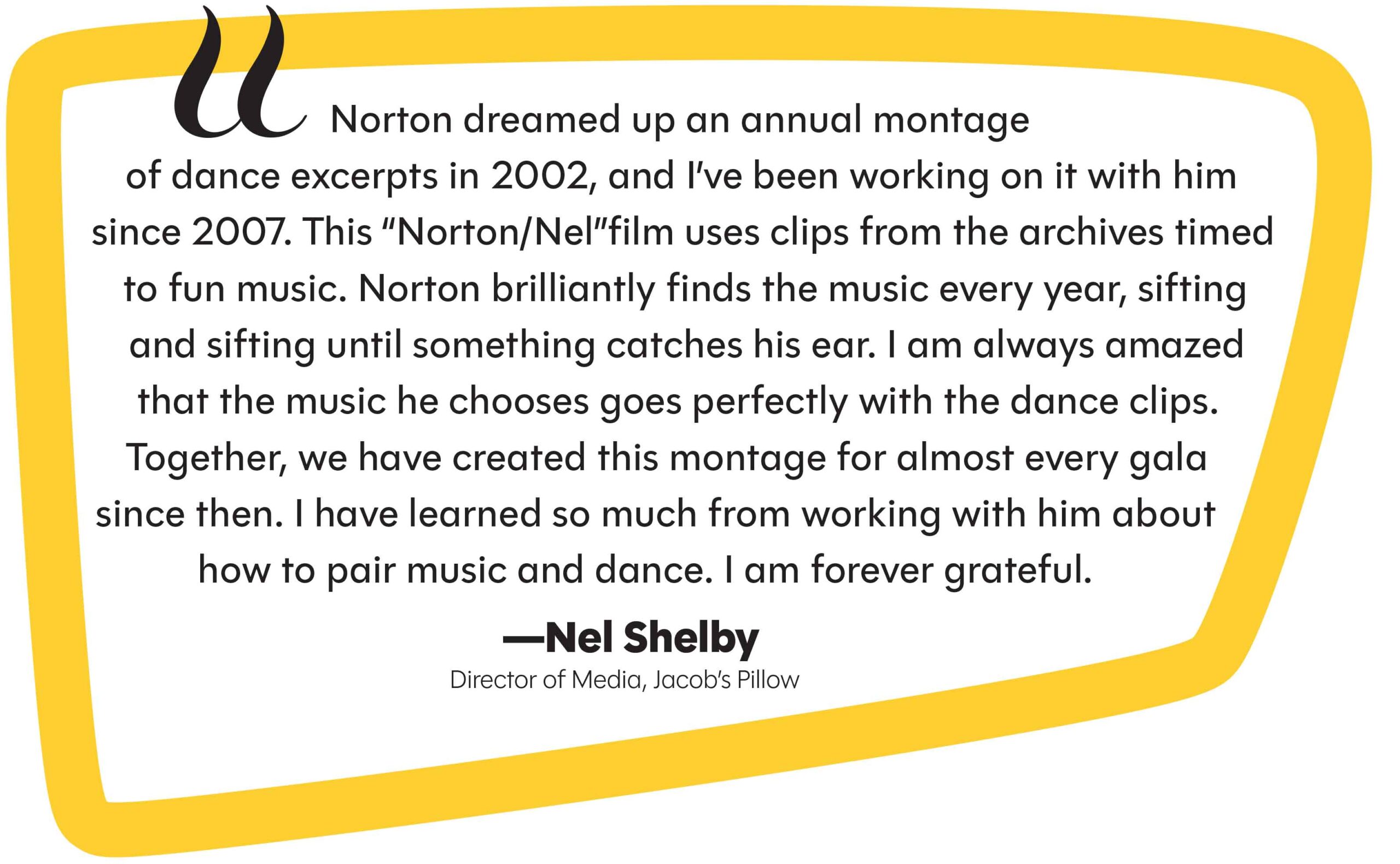
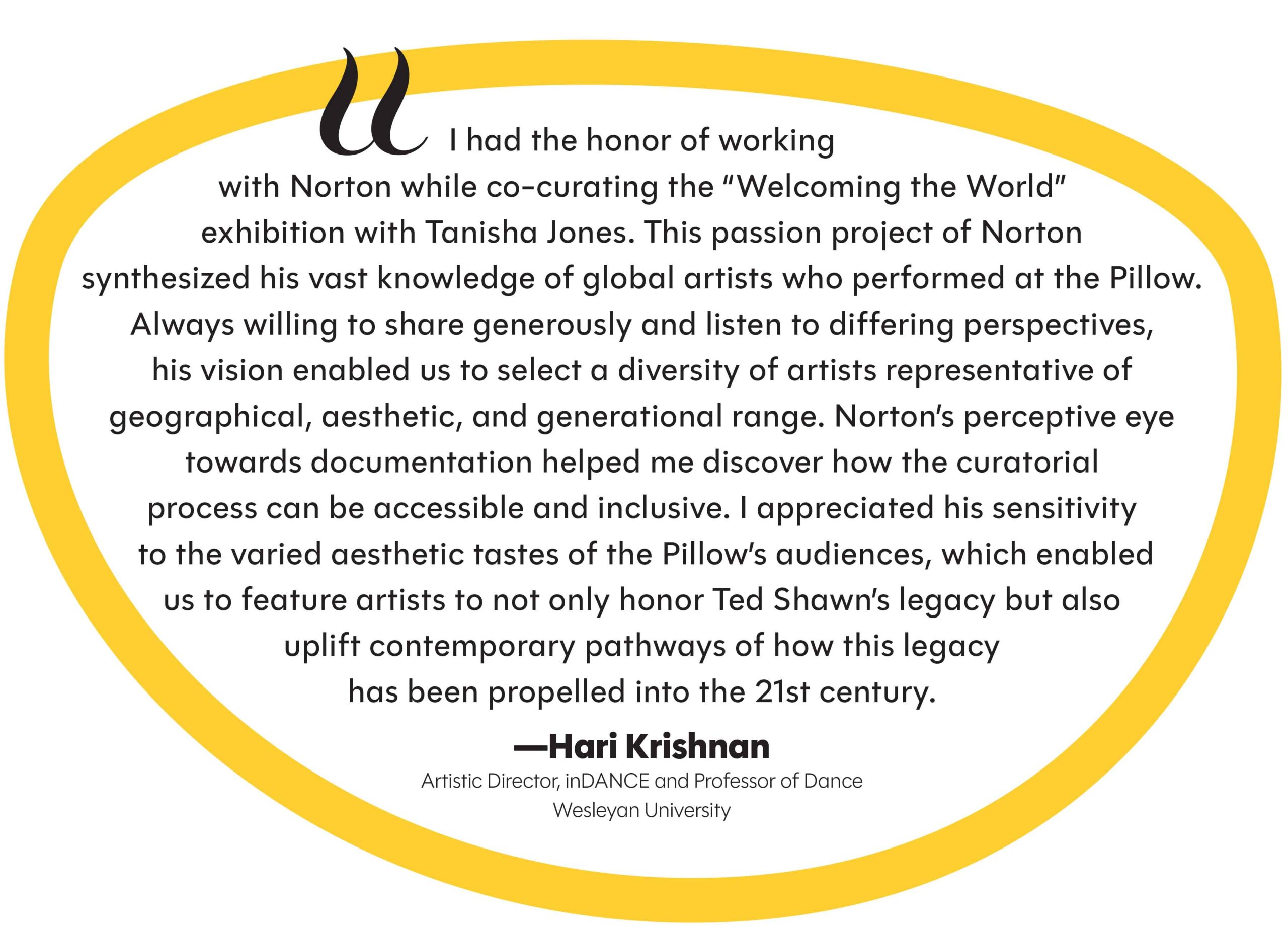
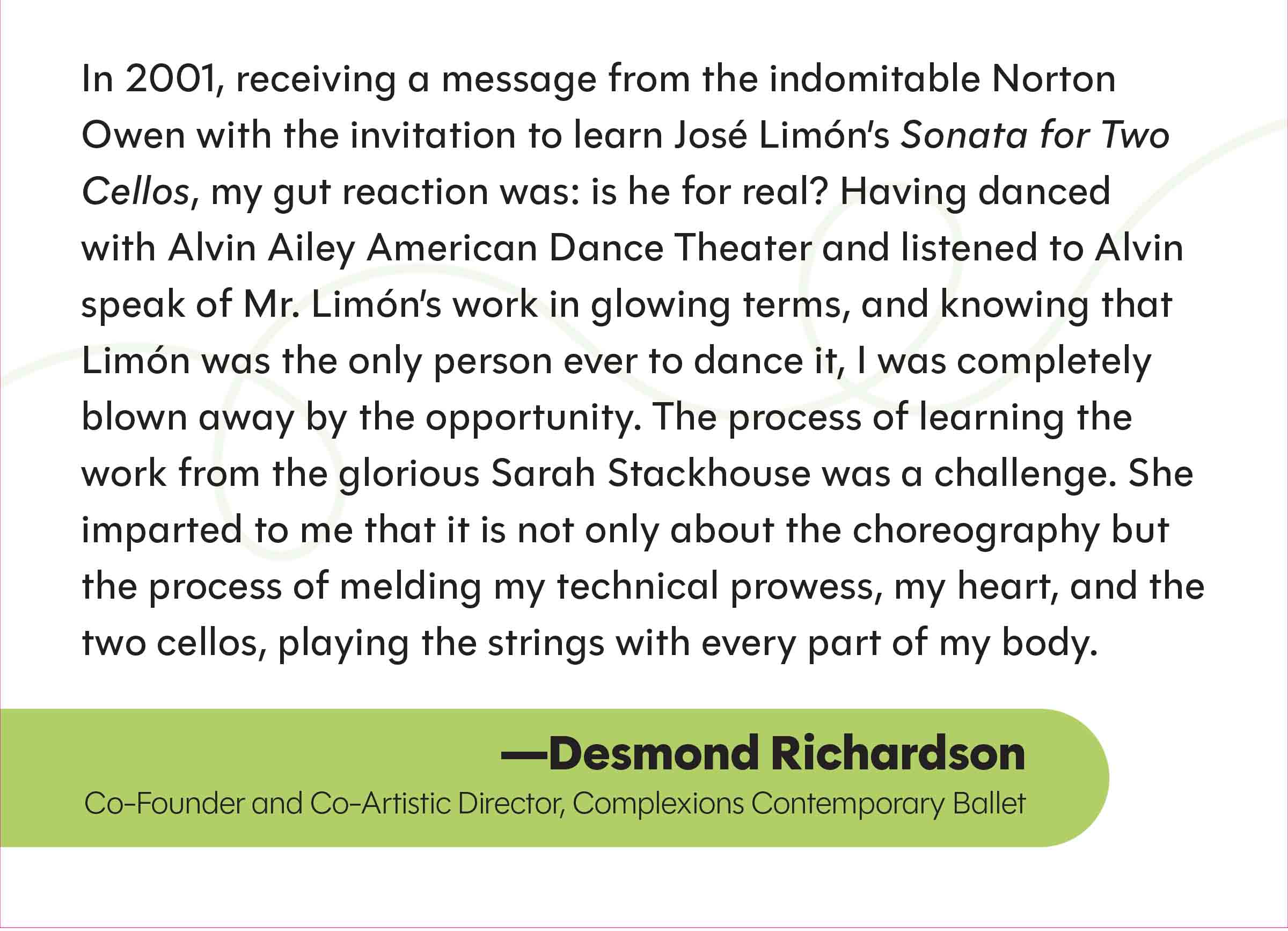
In 2007, to celebrate 75 years of the Pillow, Norton invited various artists to jot down a memorable moment from their time here, drawing upon images from the Pillow Archives. For this year’s edition, we repeat some of those first examples and augment the Moments with current artists. The final burst of written memories includes 19 “Norton Moments,” gathered from people who worked with Norton on specific projects.


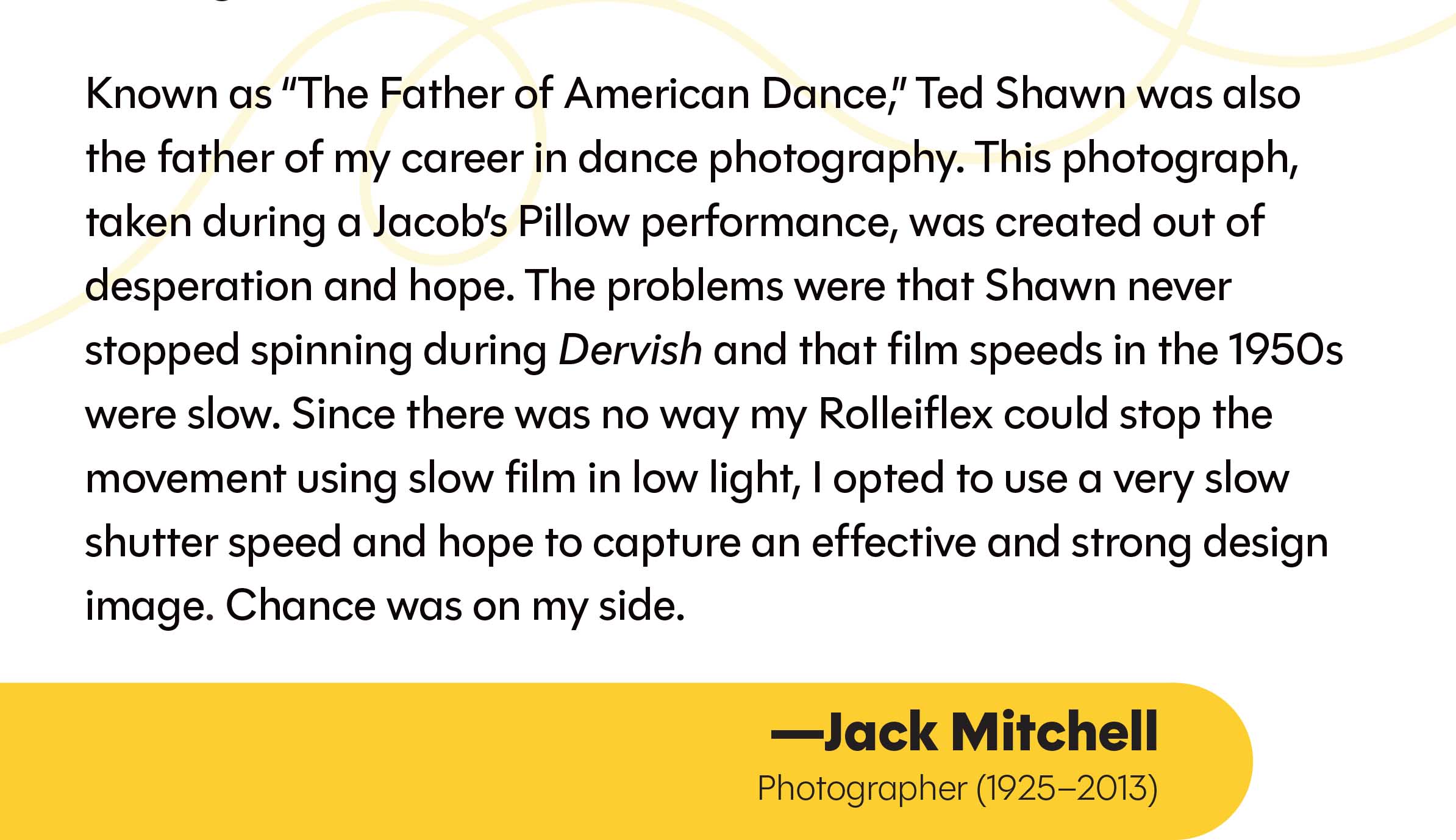
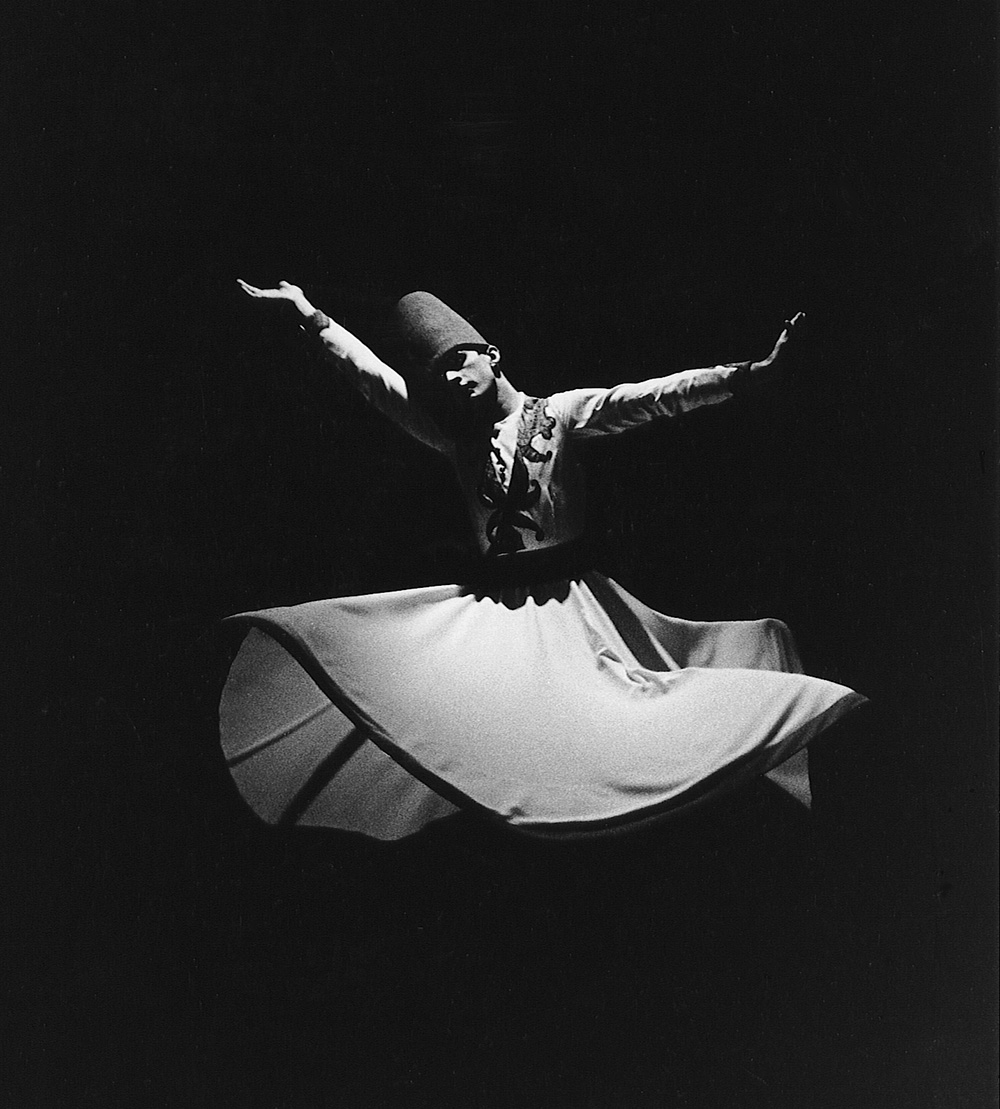
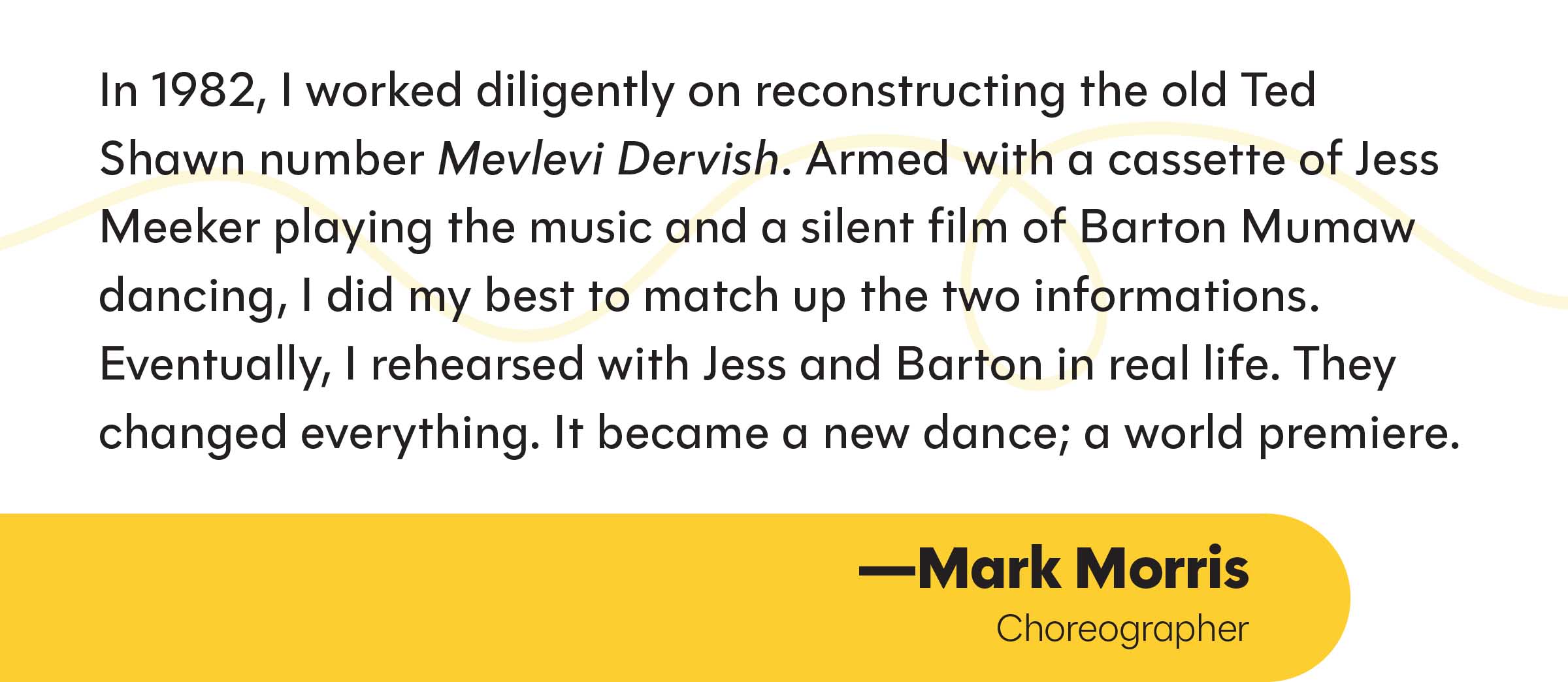
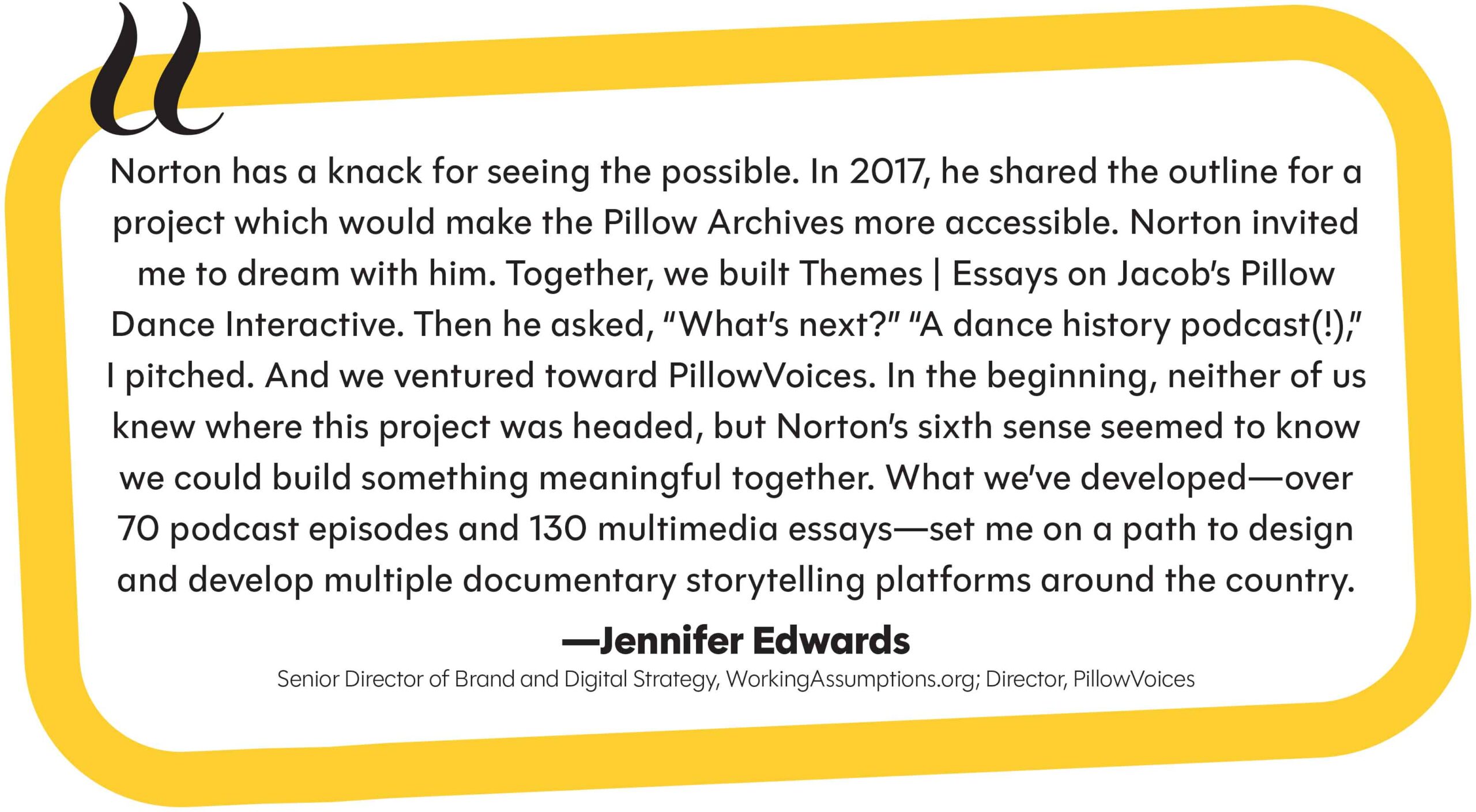
Norton as Producer/Adviser/Initiator
In his mission to merge the past with the present, Norton has gone beyond his role as archivist and curator to brainstorm, advise, or initiate new productions. He also masterminded an exhibit of Paul Taylor’s assemblages, which Norton called “joyful, humorous, haunting, bawdy, ingenious, and just as memorable as the dances for which he is known.”
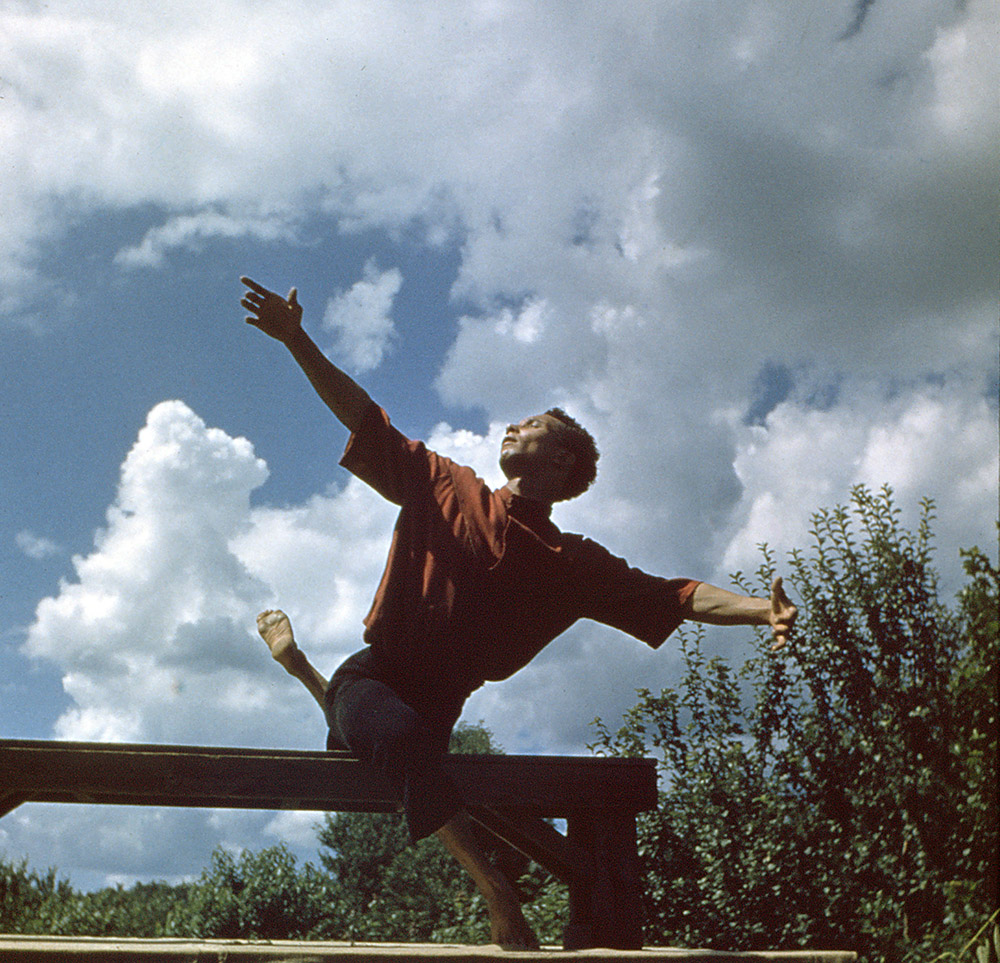

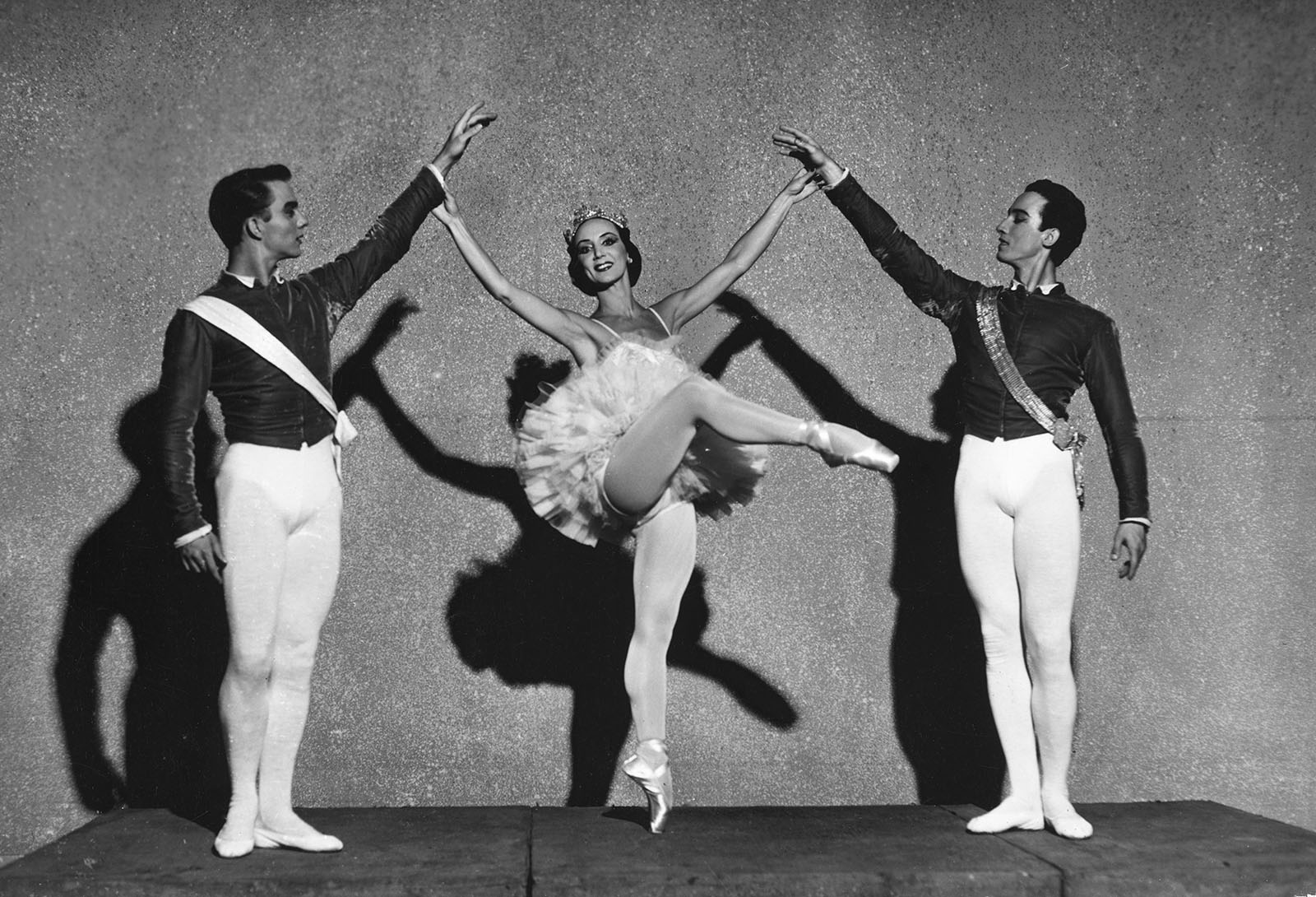
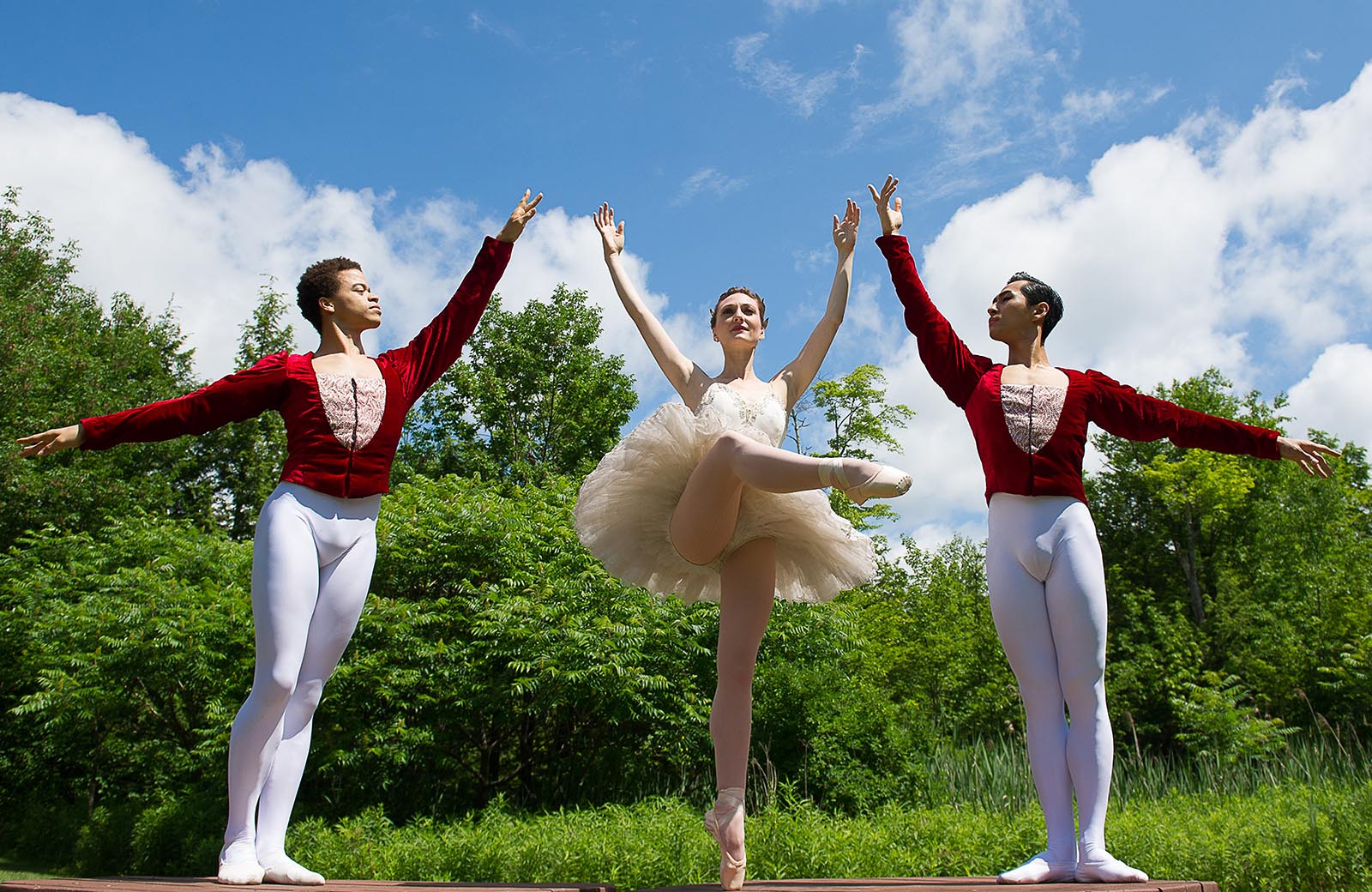
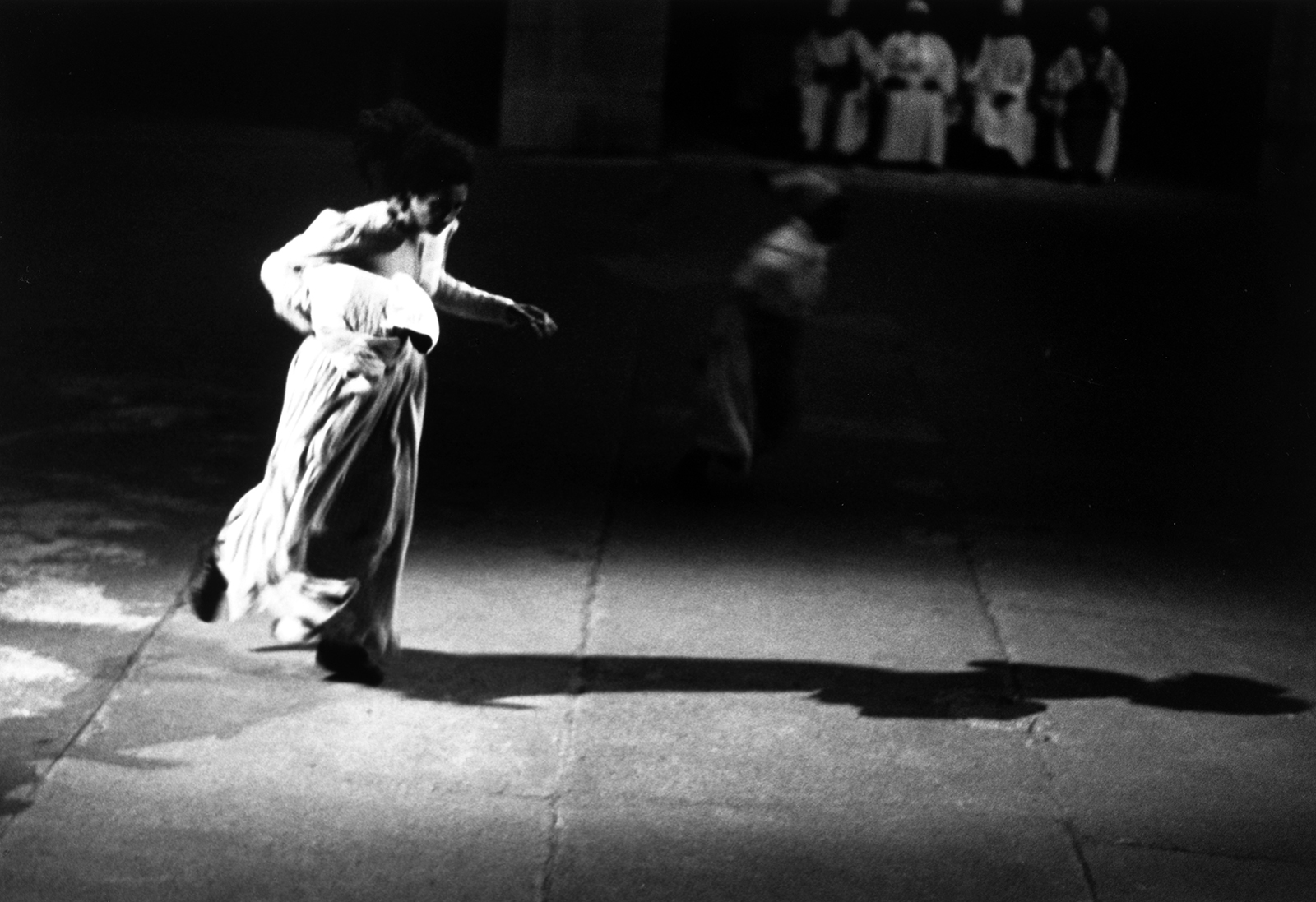
The Keen Eye of Norton
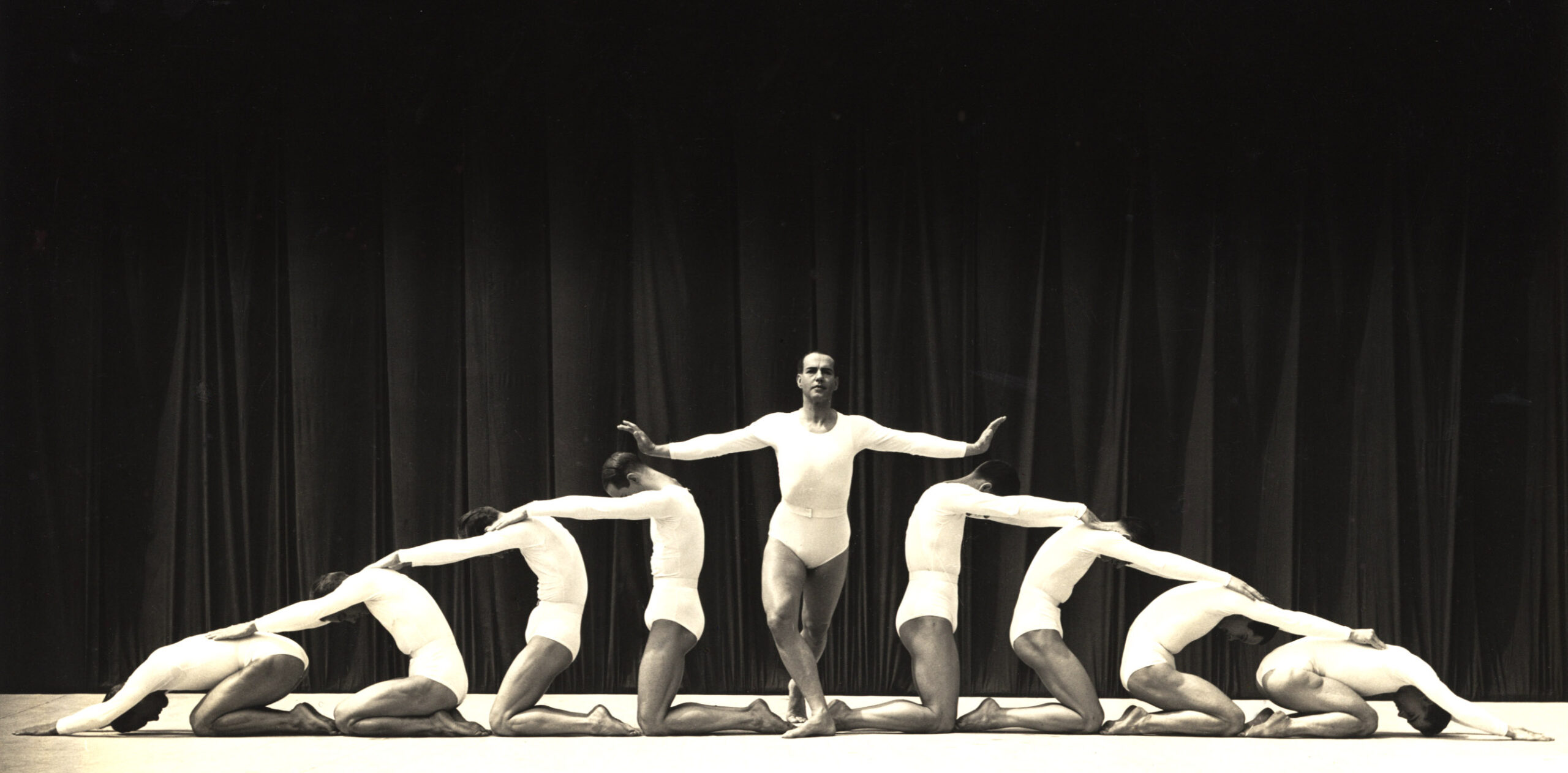
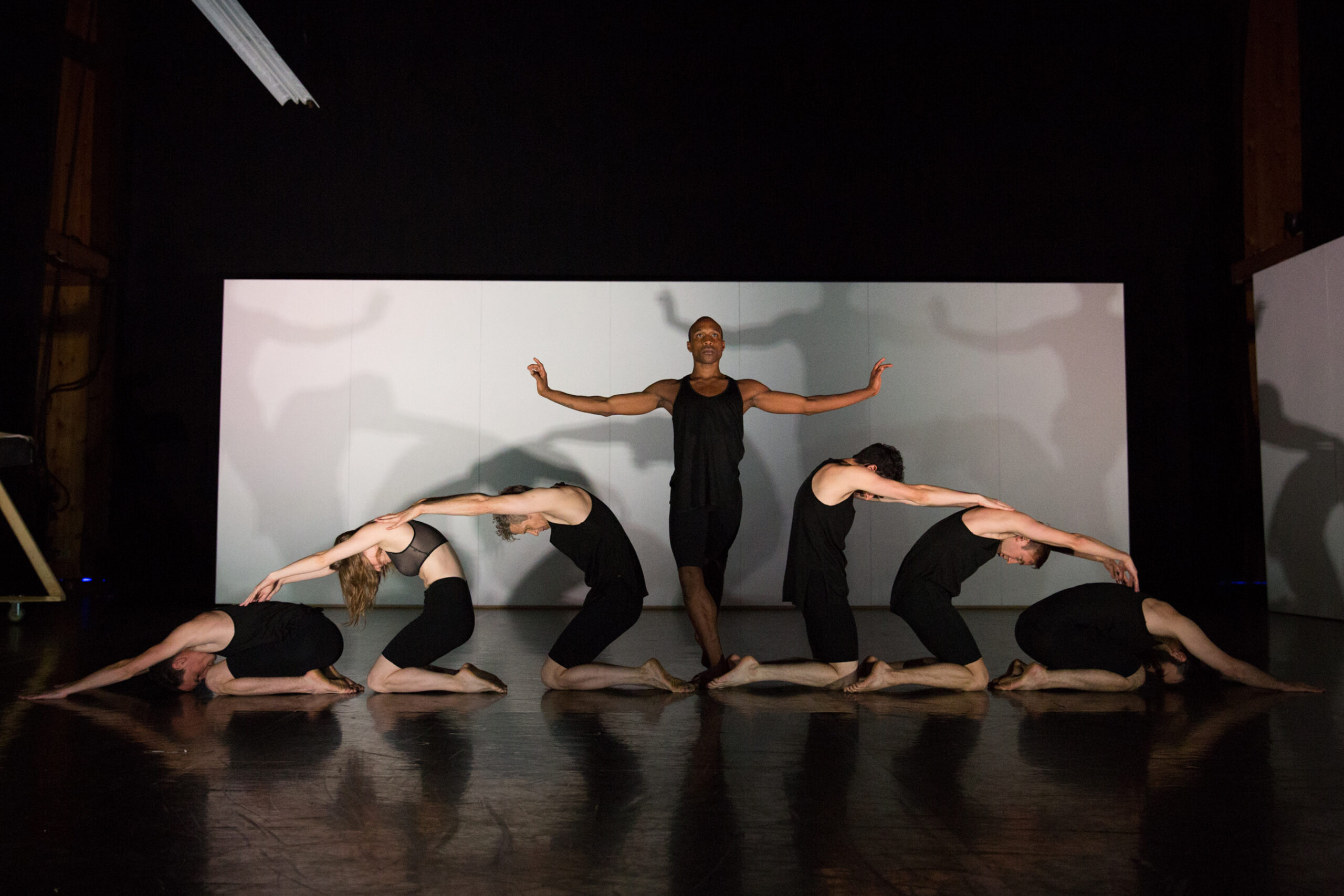
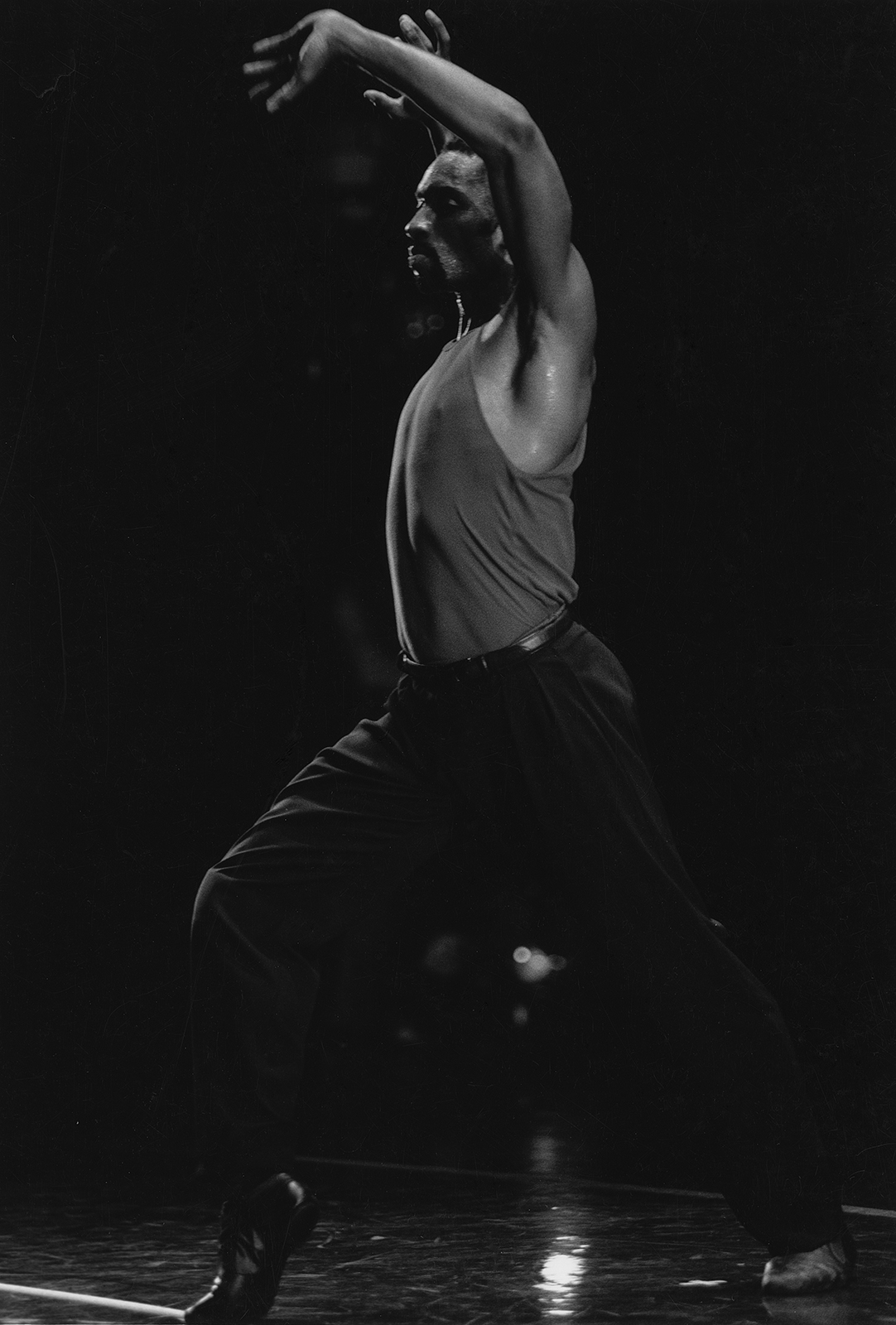
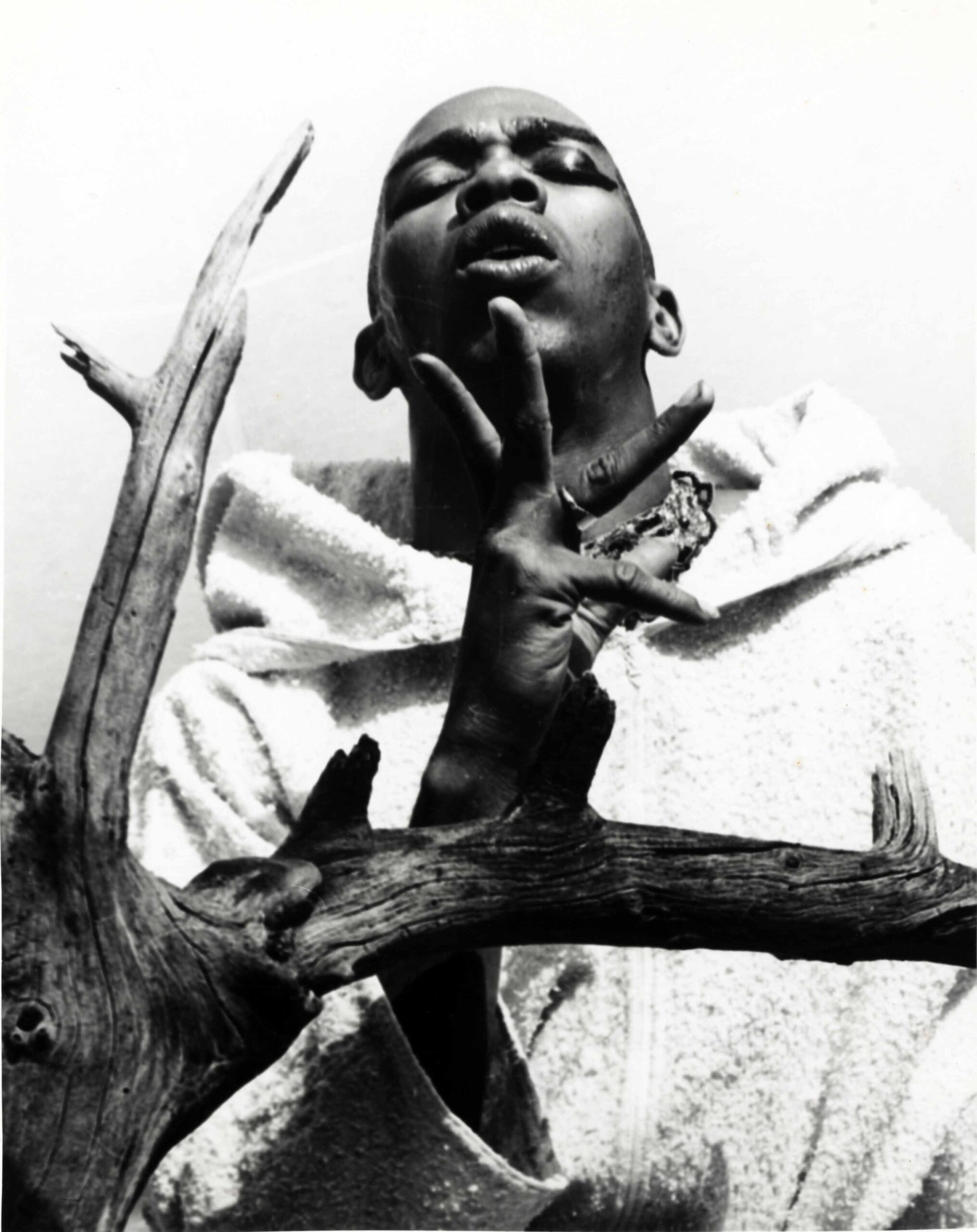
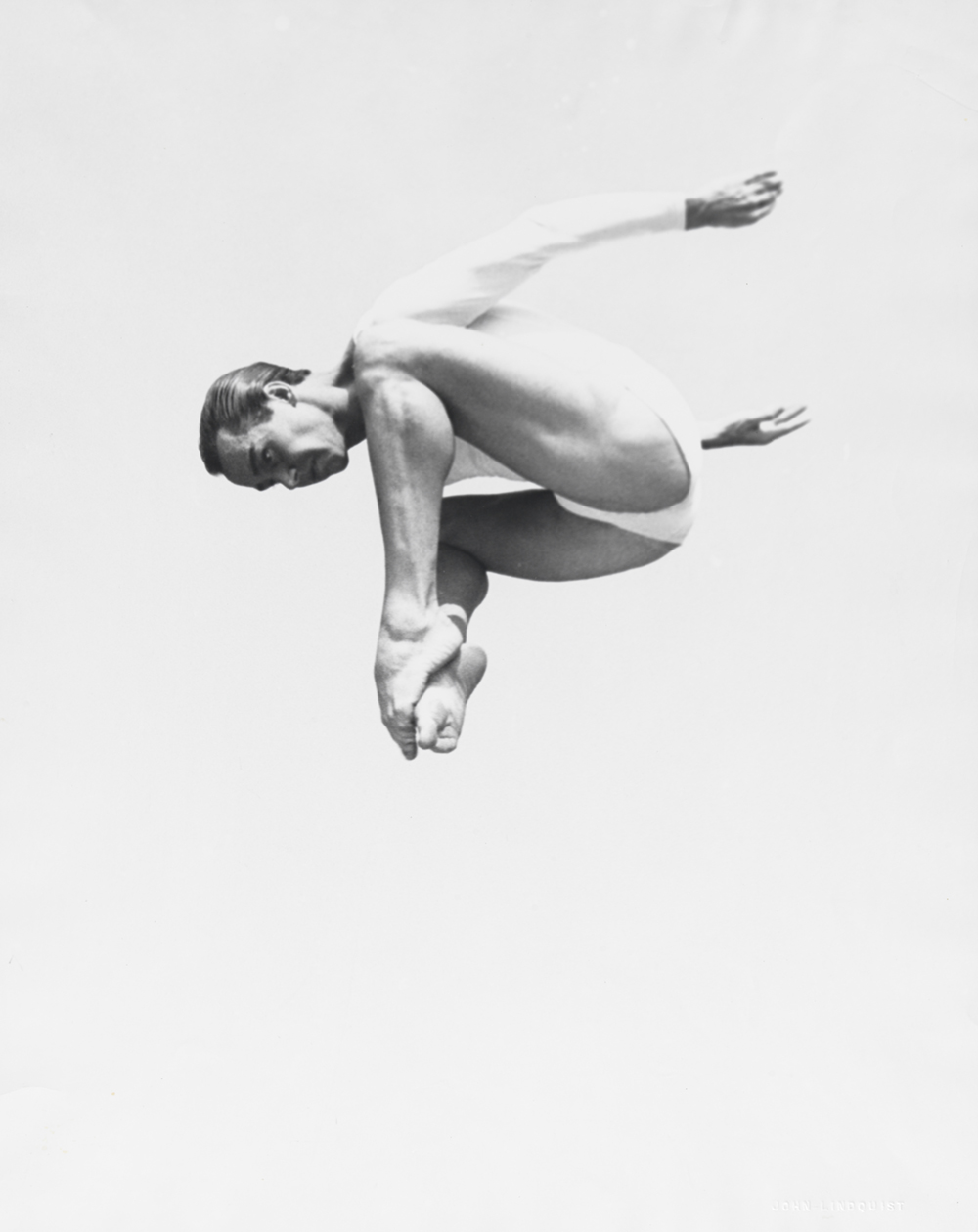
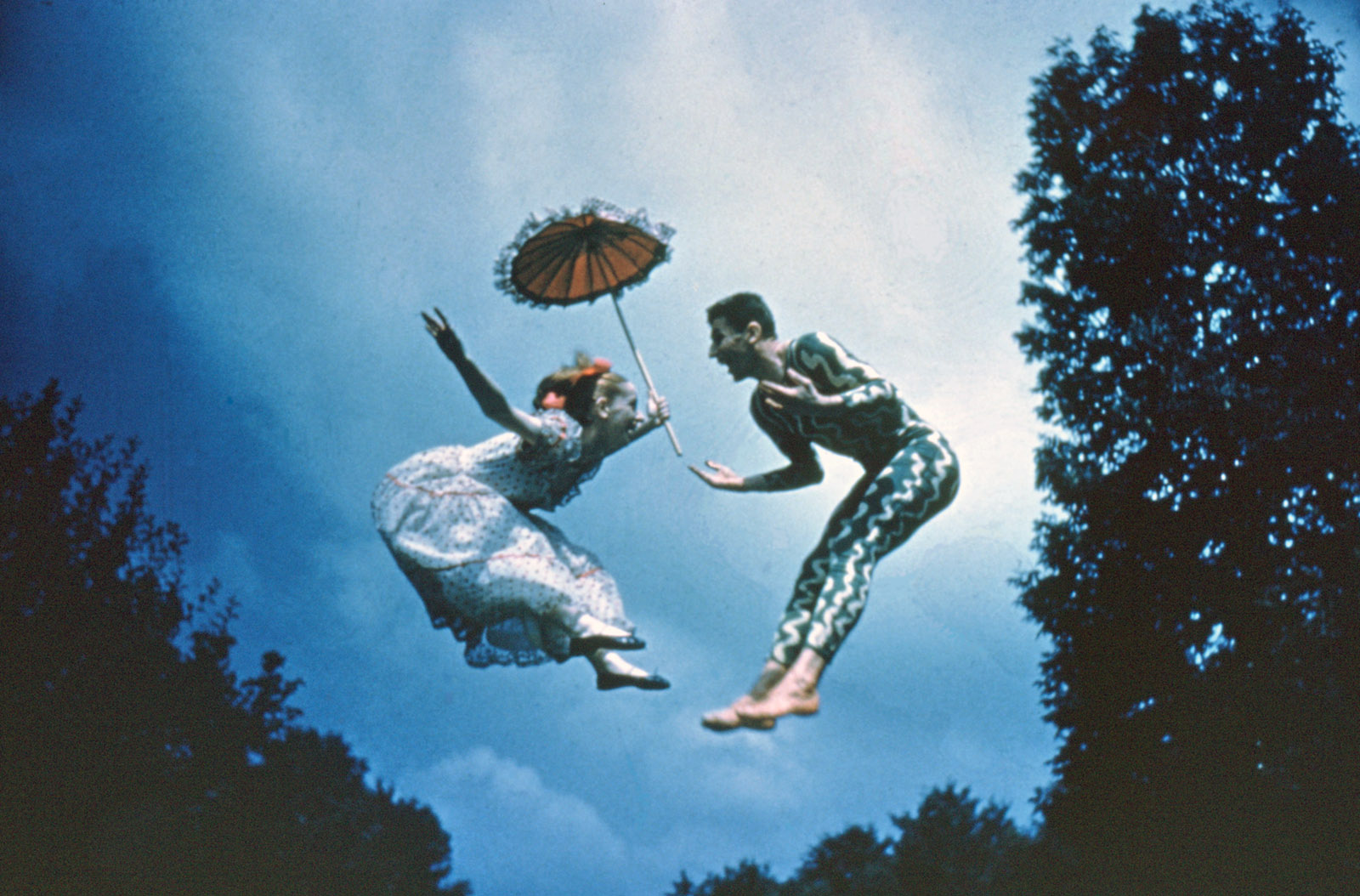
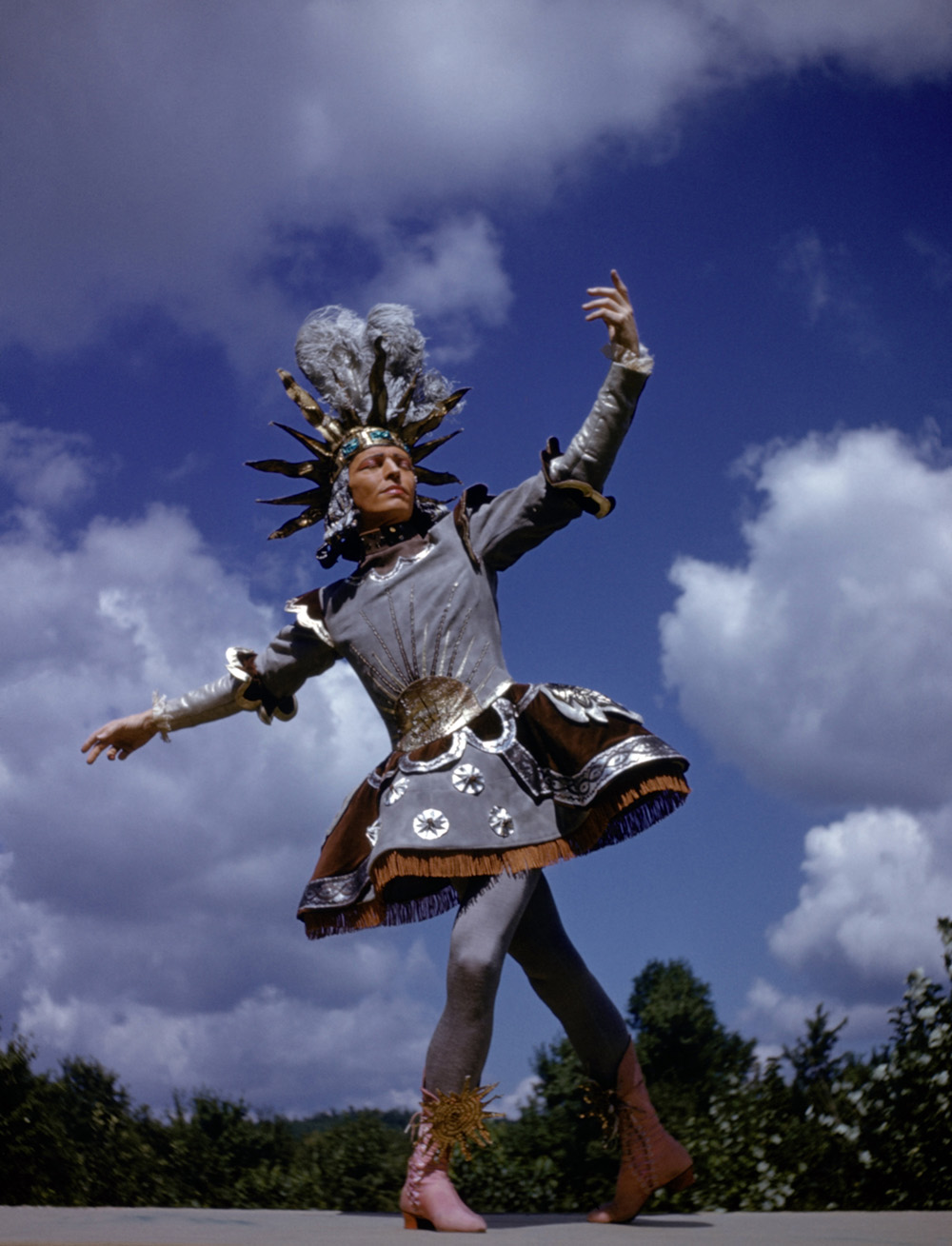
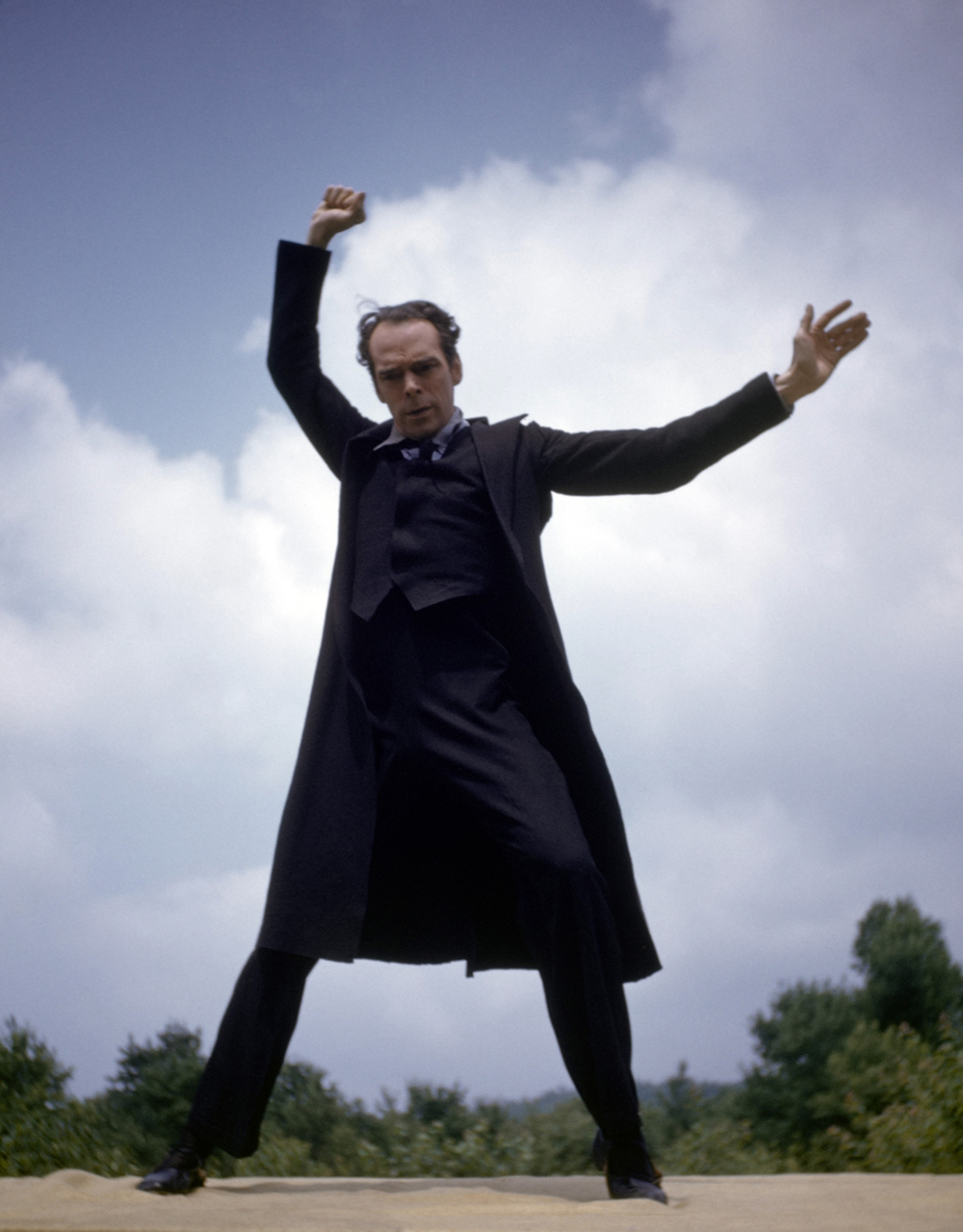
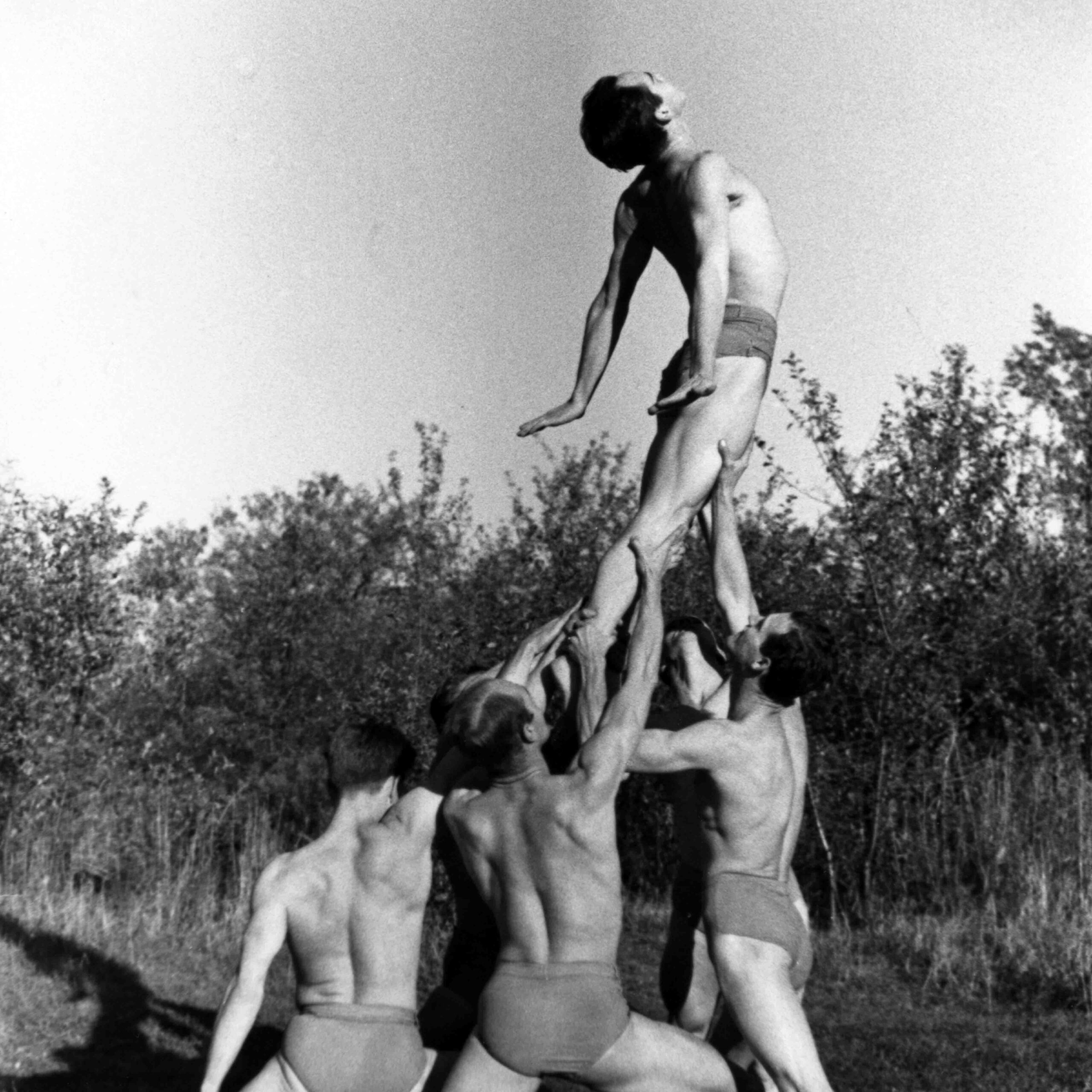
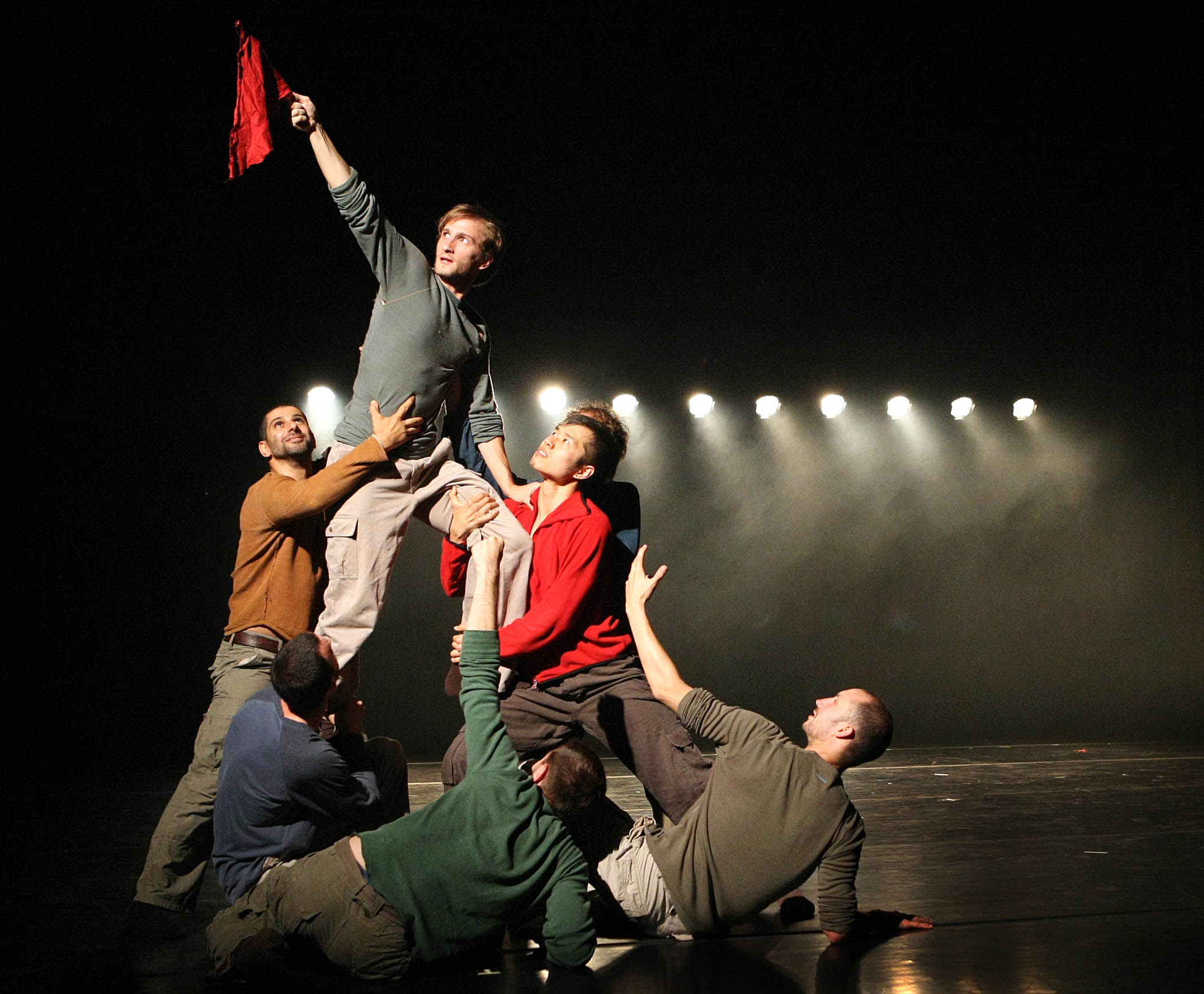
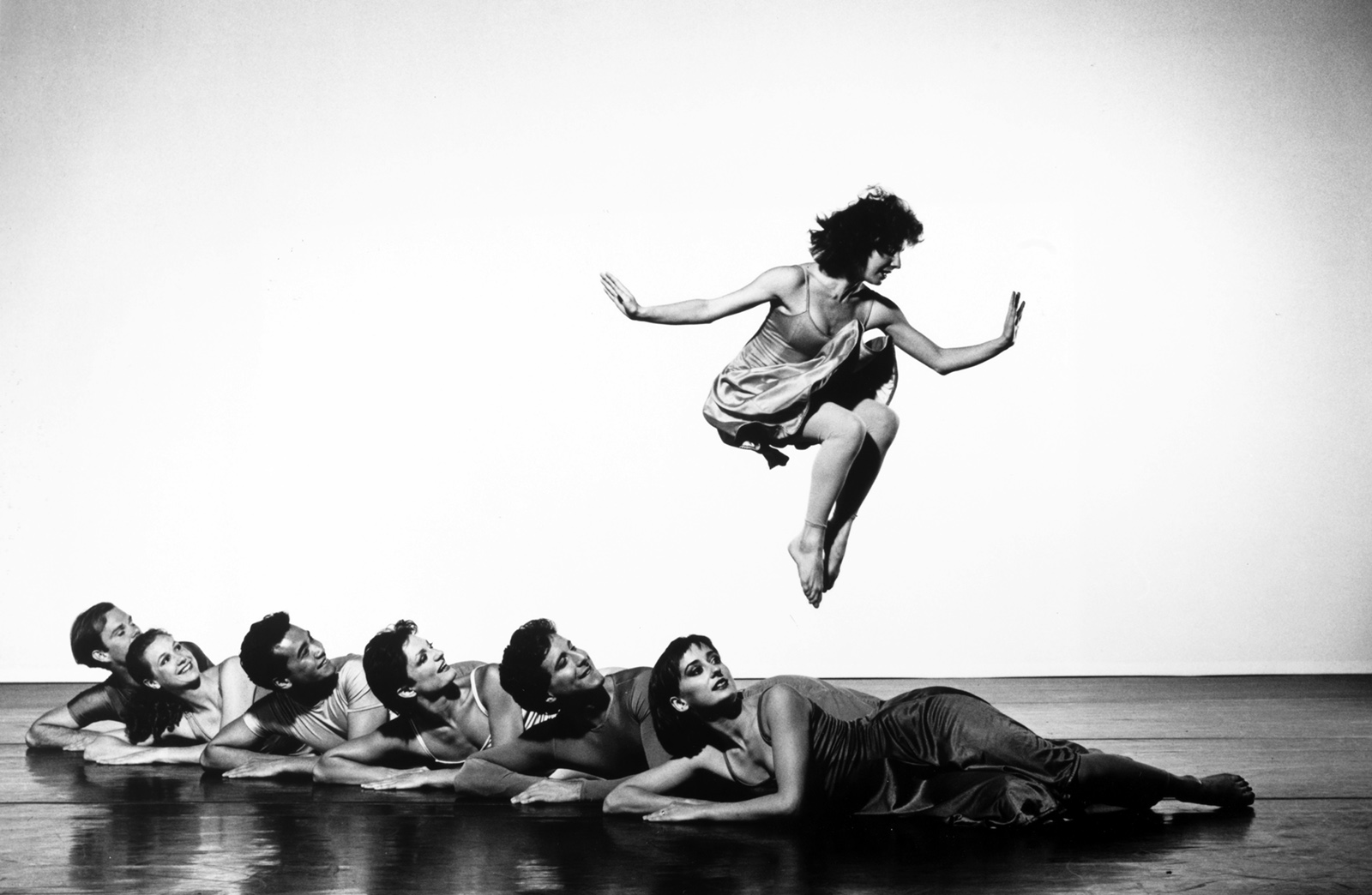
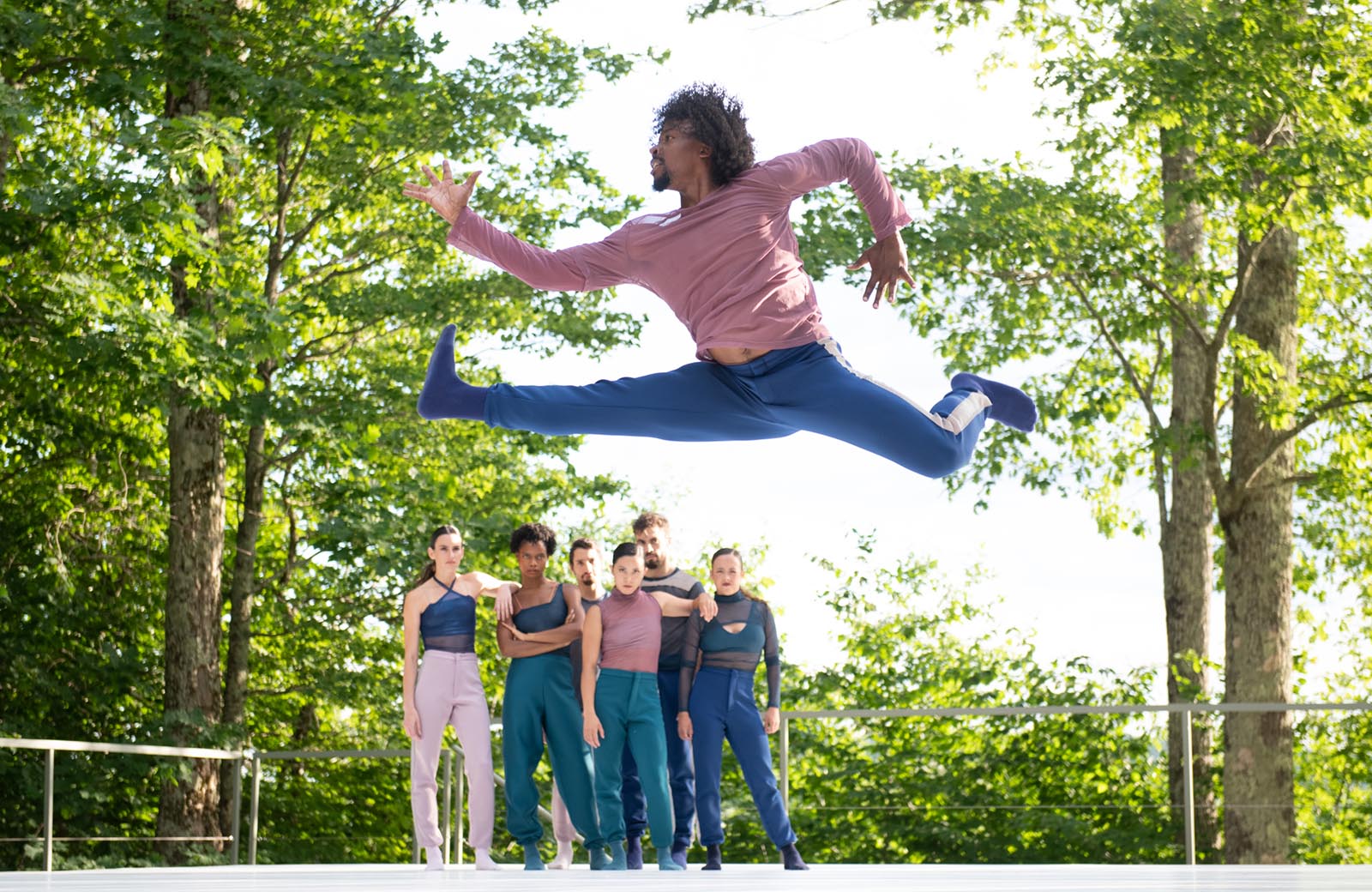
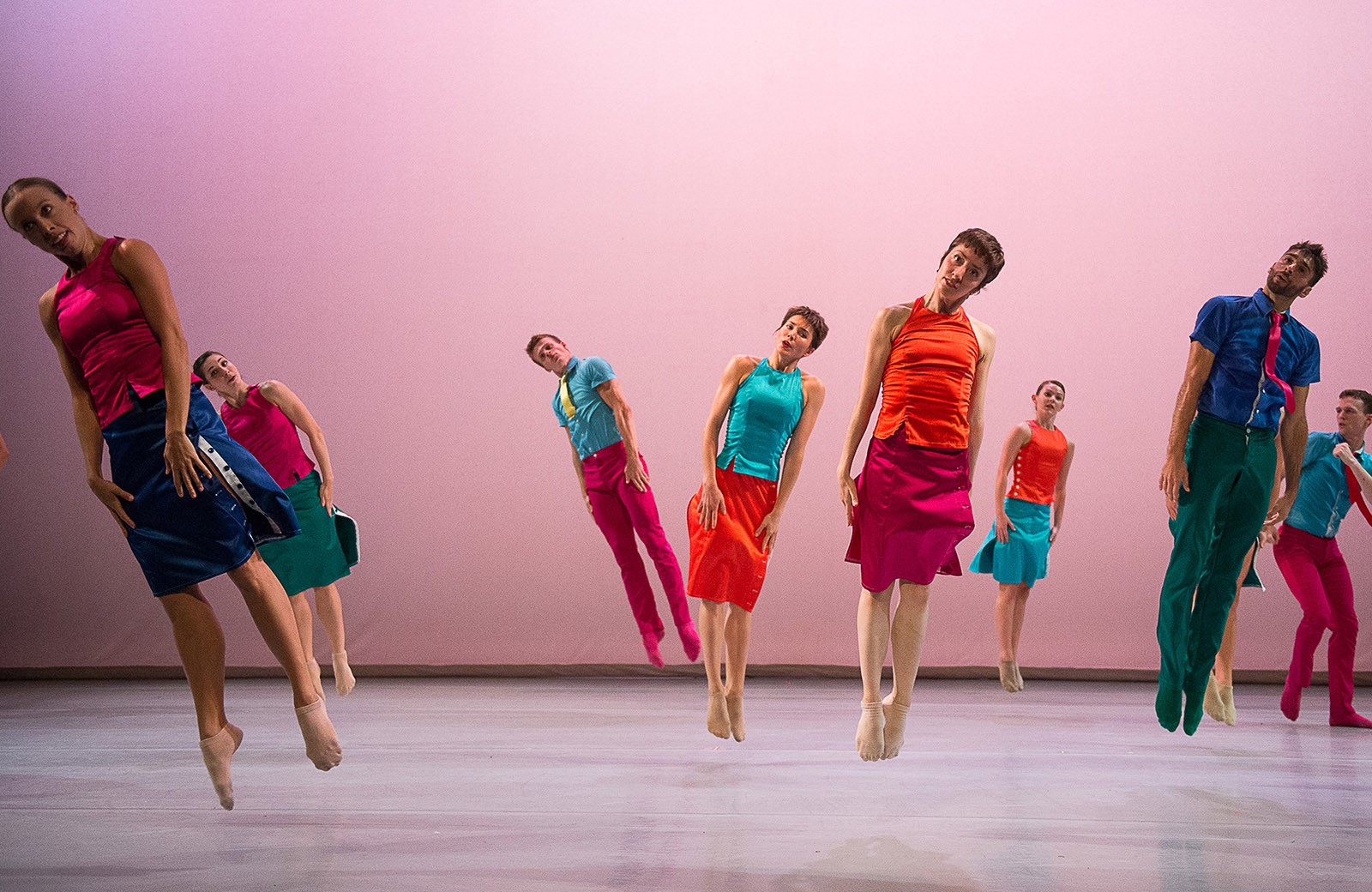
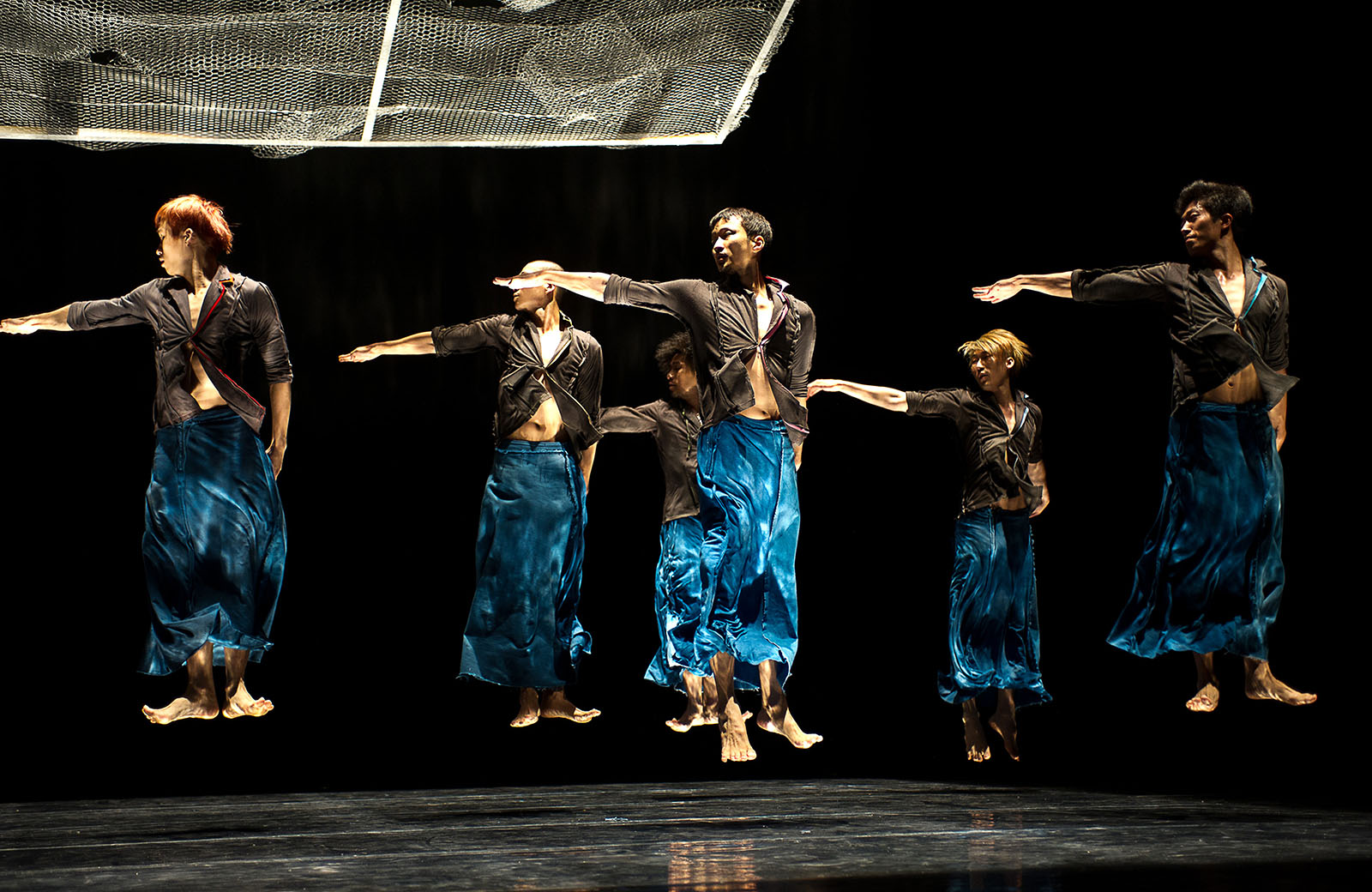
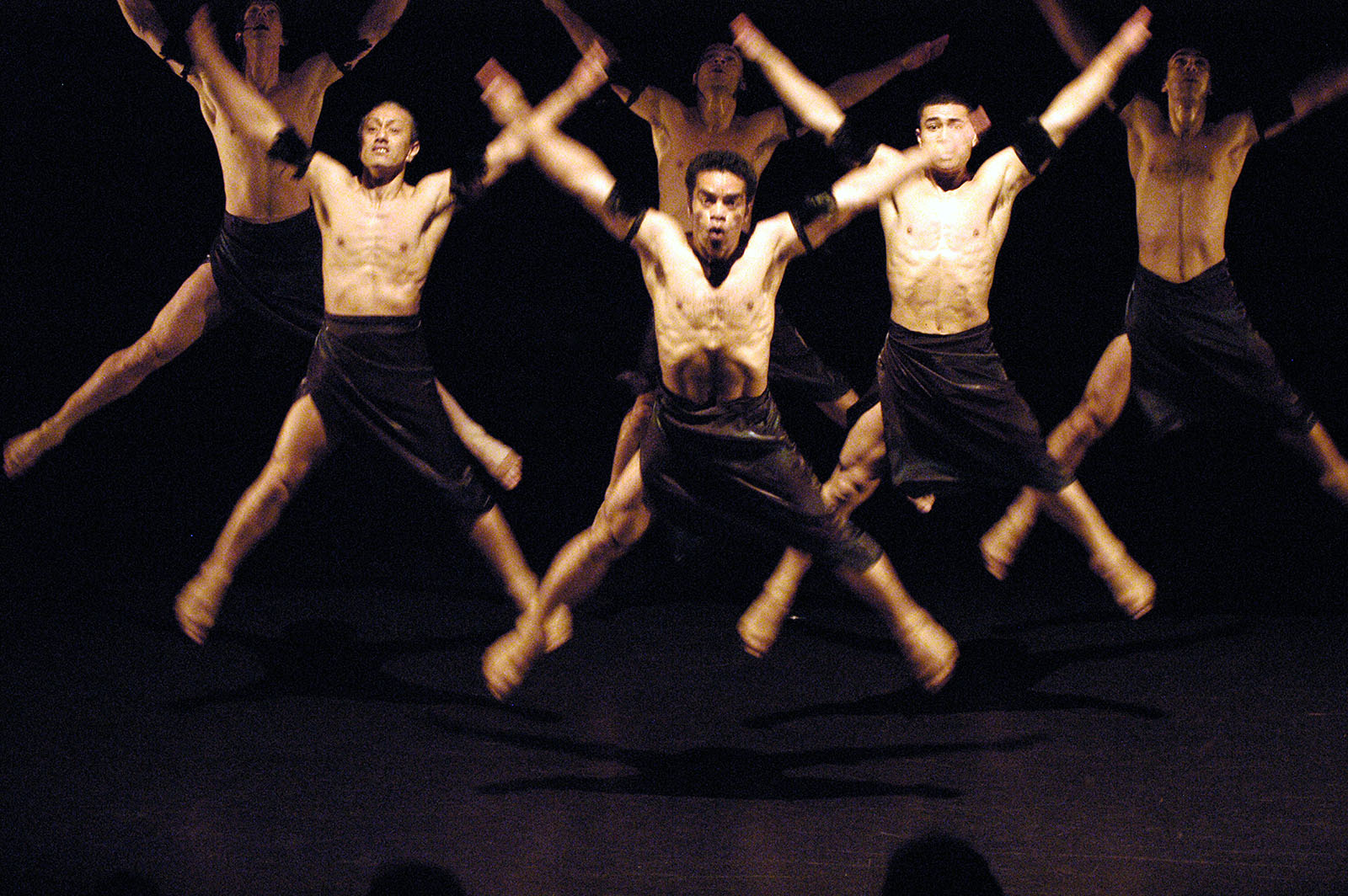
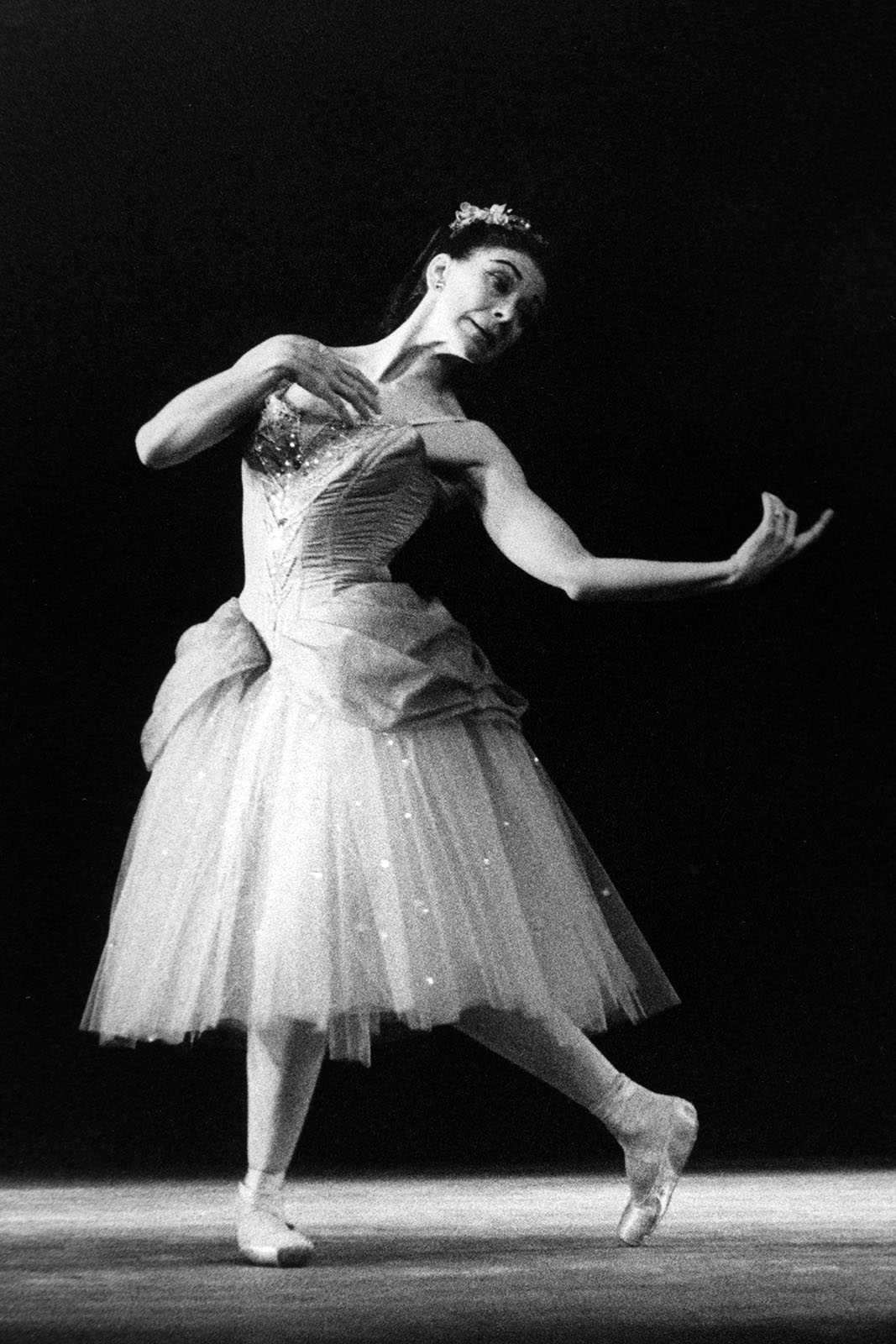
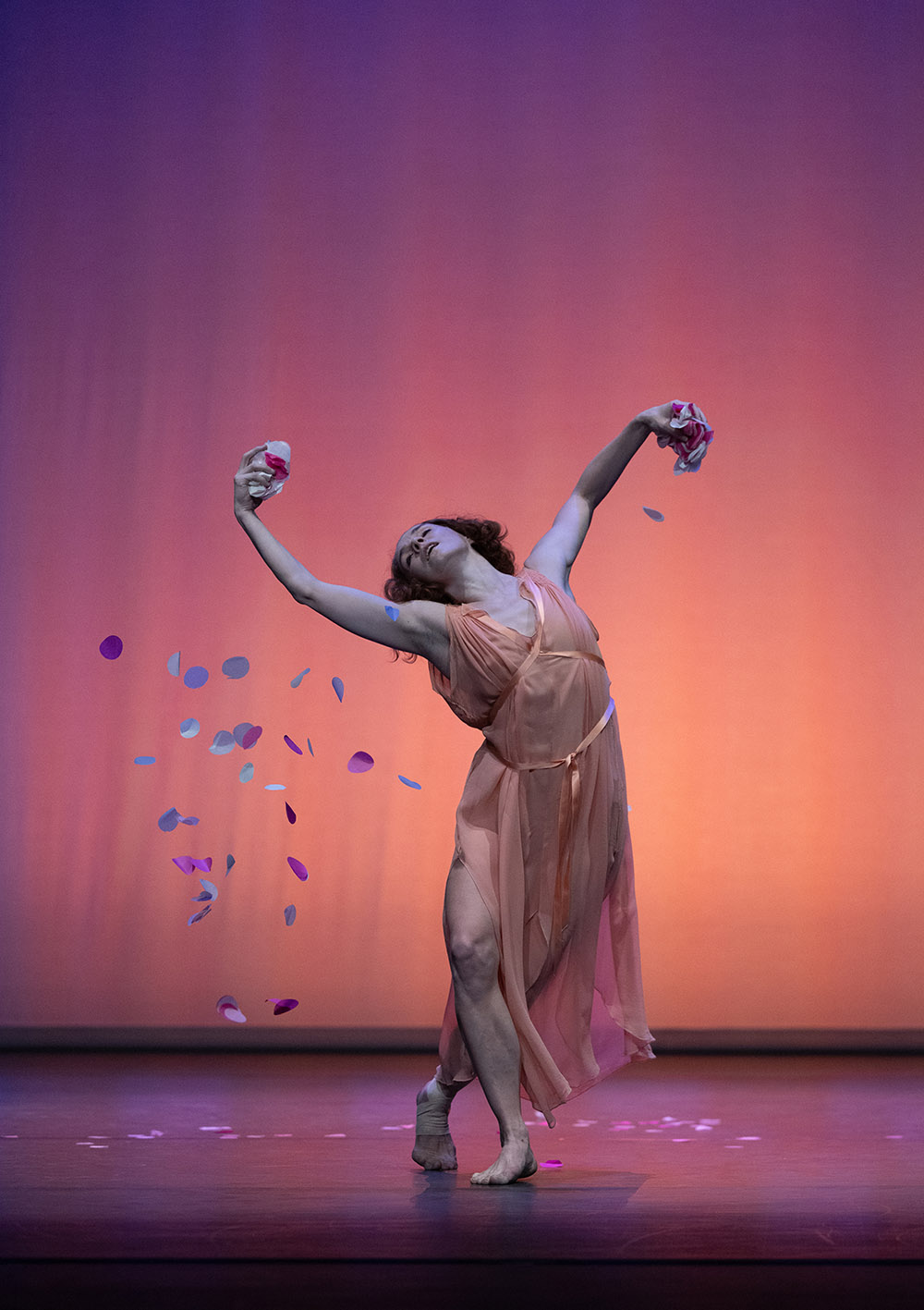
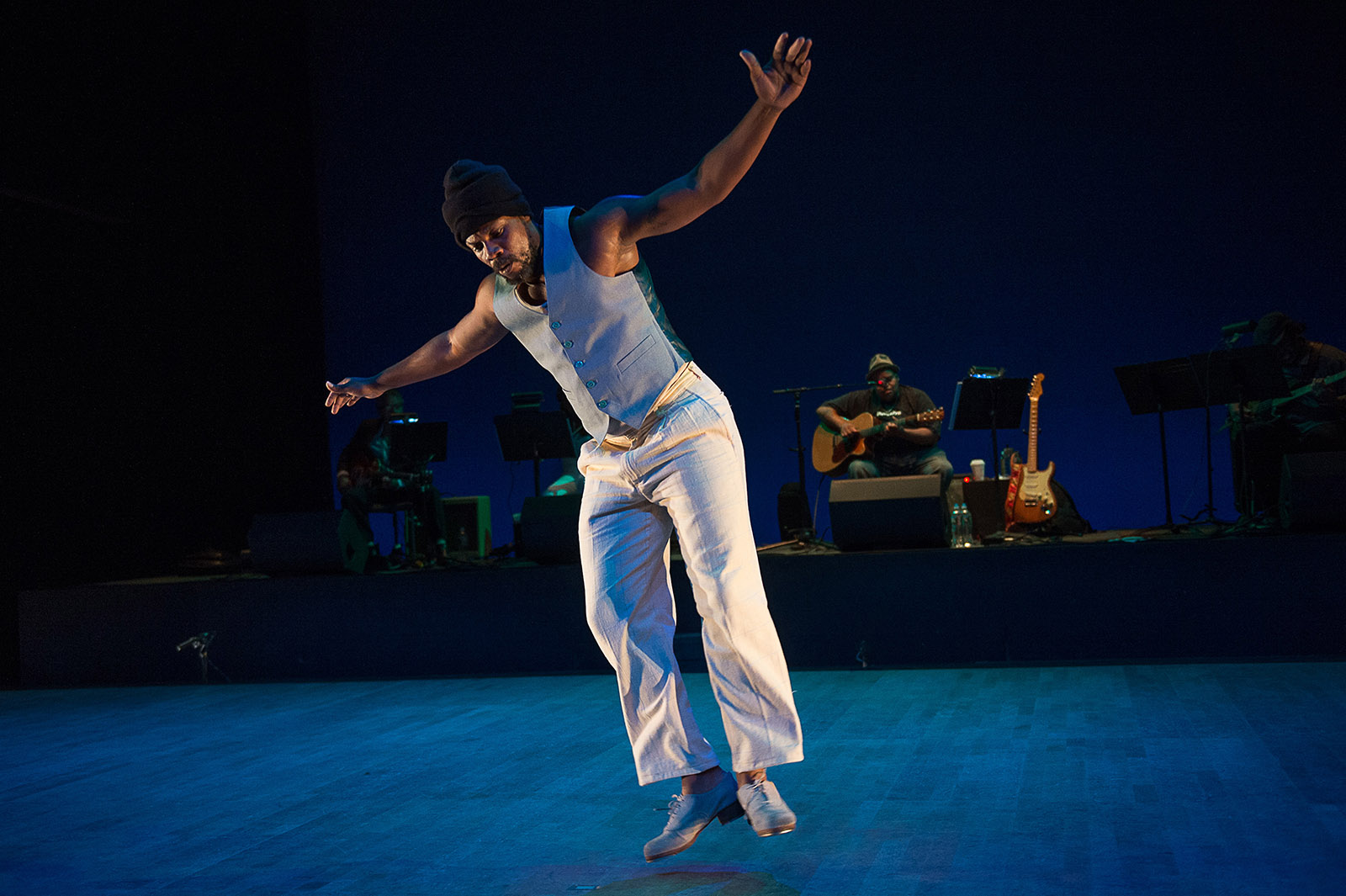
As a curator, Norton has a keen eye for how to organize images for the greatest visual impact. He makes decisions based on compositional form, vitality of image, and how it relates to his chosen theme—and of course, who is dancing in the picture. From the first exhibit in Blake’s Barn, which was suggested by Artistic Director Sam Miller in 1992, Norton juxtaposed pairs of photographs, always with a curiosity for how two images across time could resonate with each other. That exhibit was called Images on Common Ground, and the concept of commonality through time has recurred often throughout Norton’s curations.



Inspired by Norton
The recurring device of pairing “then” and “now” was fertile for me too. It was a special delight to play with possibilities as I digitally roamed through the Pillow’s visual treasures. I marveled at how two images, completely different in era, genre, and cultural context, could still share a connecting thread or aura.
—Wendy Perron, 2025




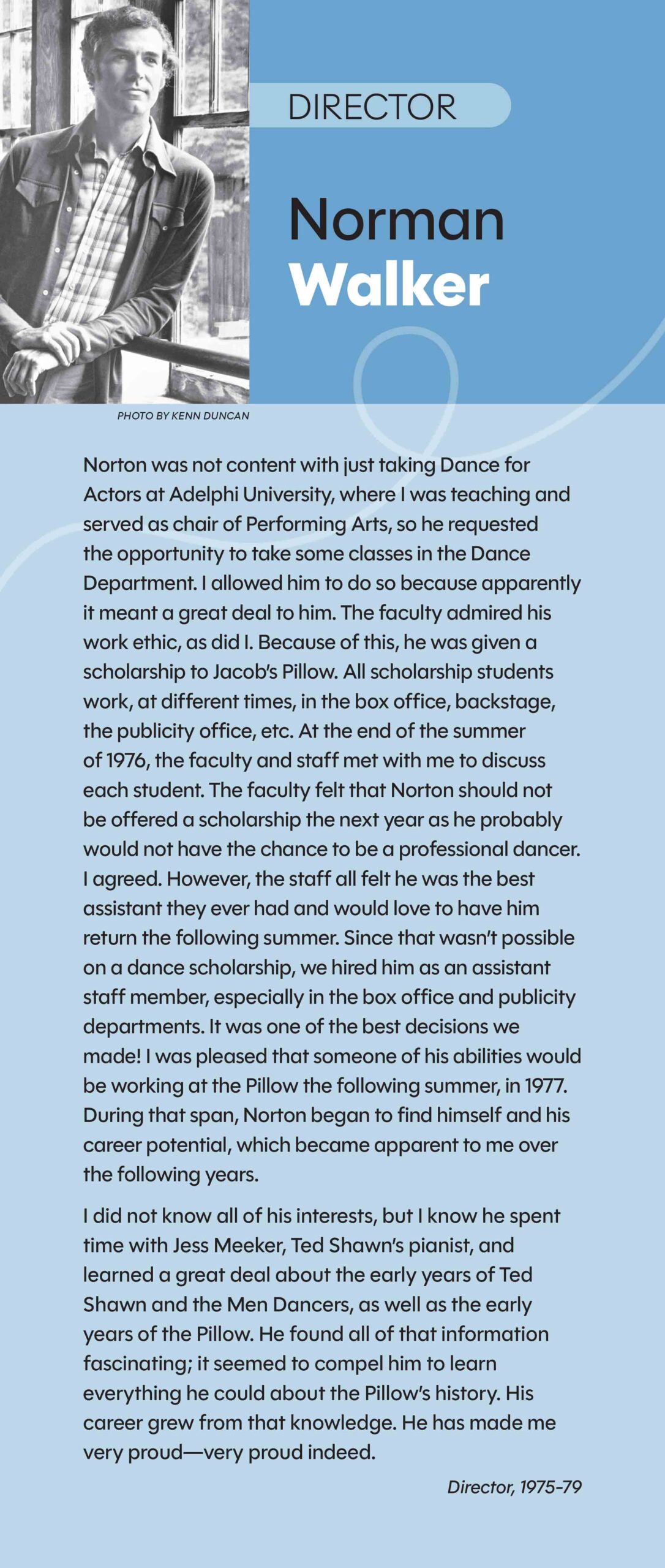
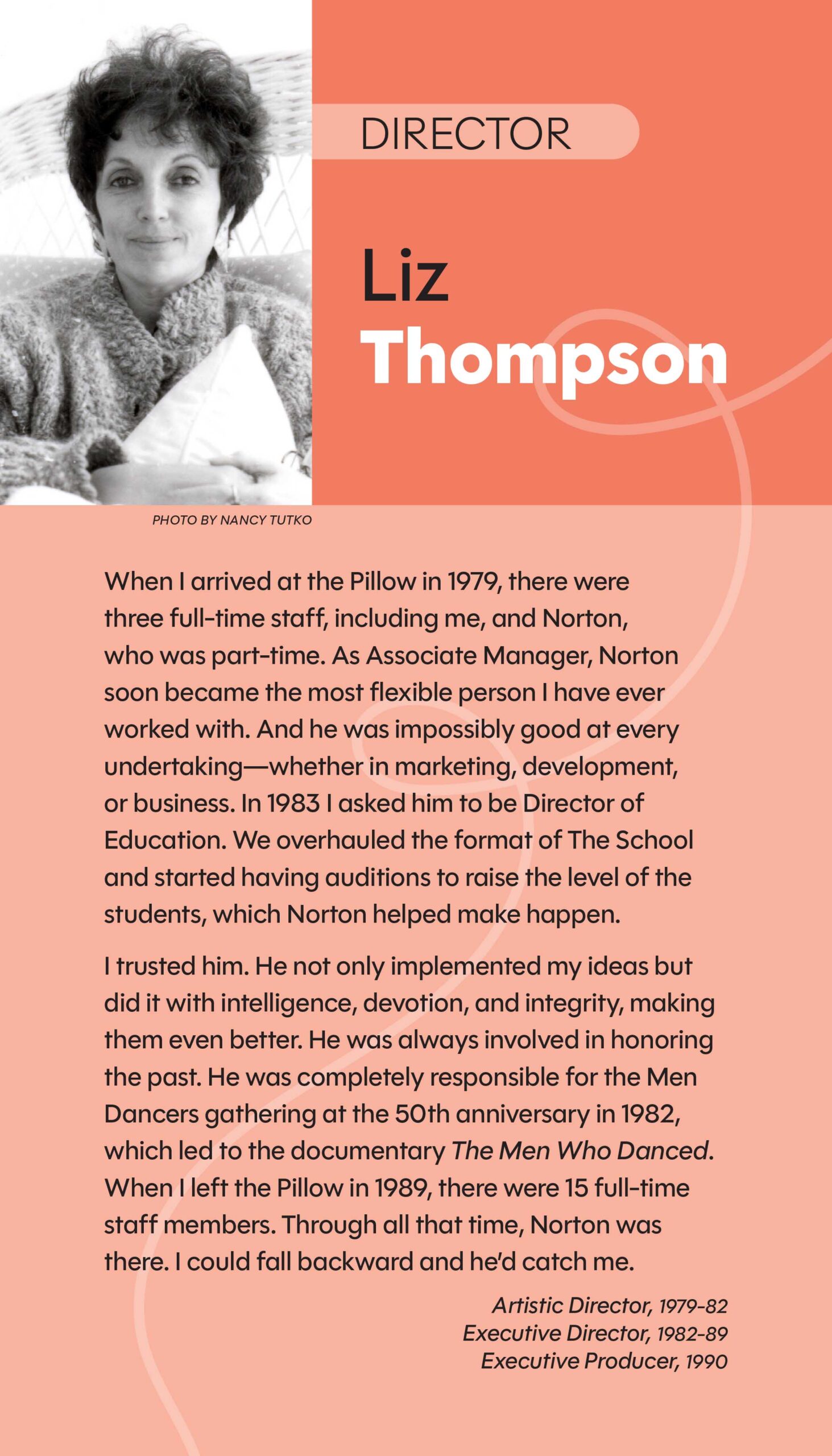
Past Directors
Guest Photographers
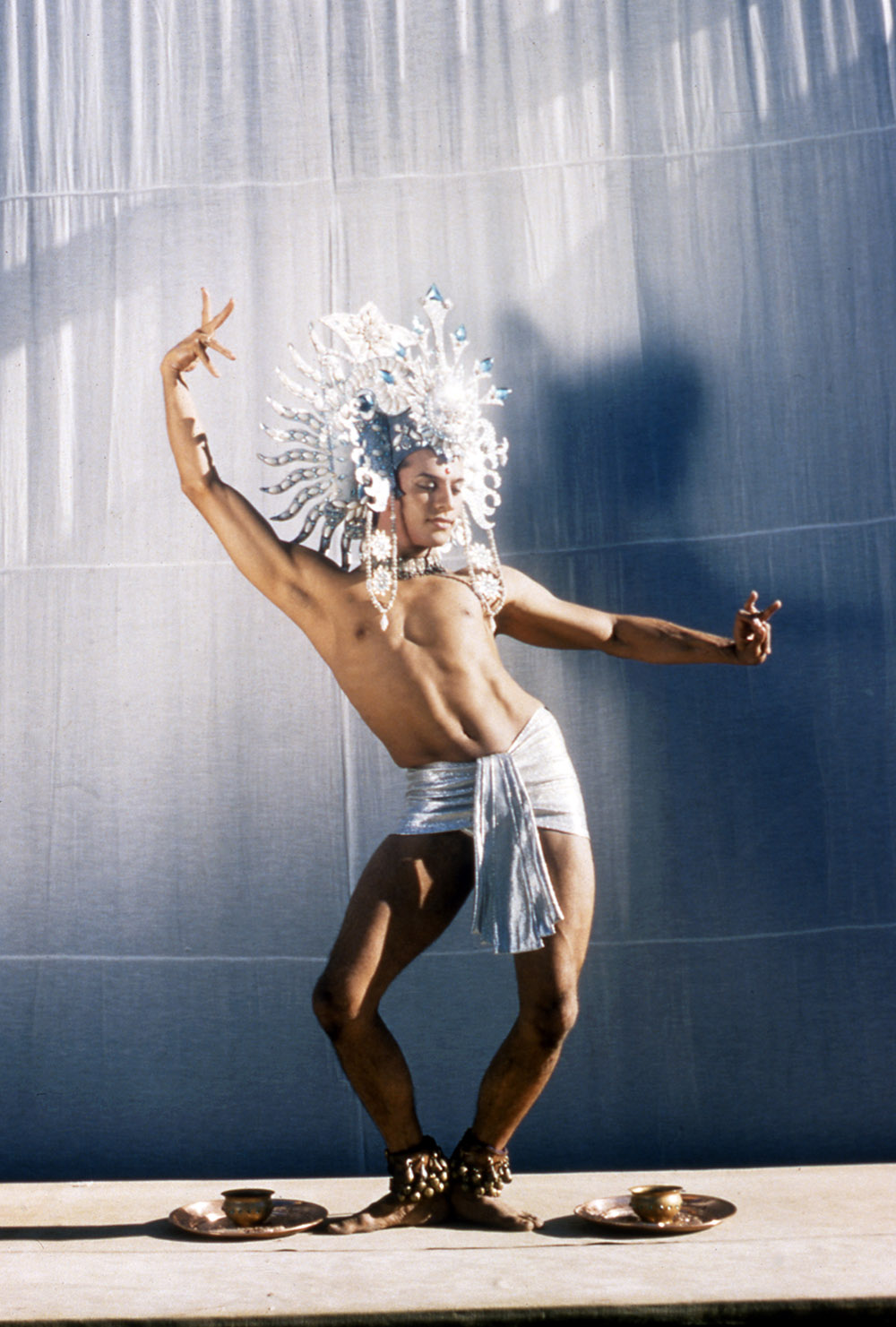
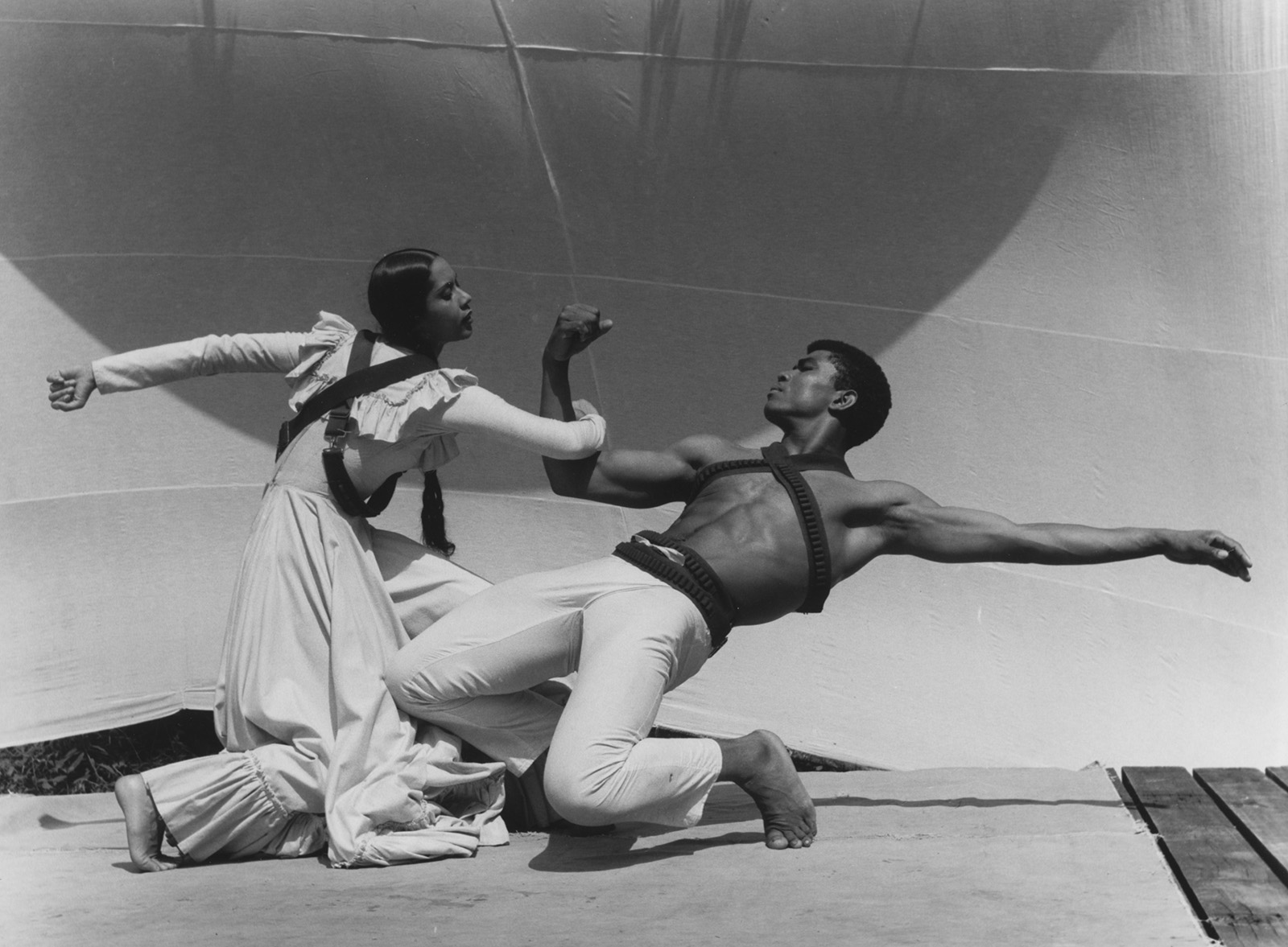
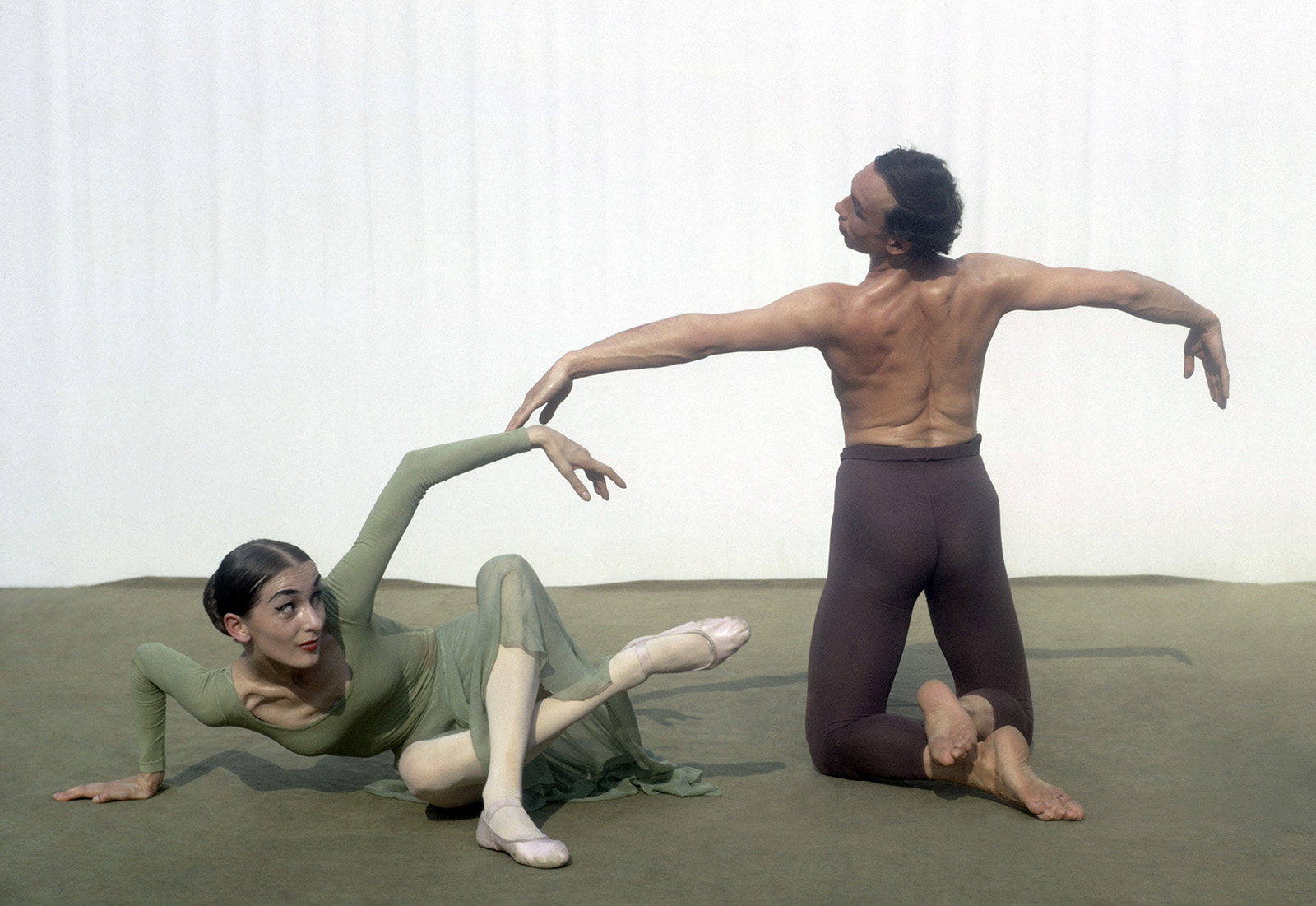
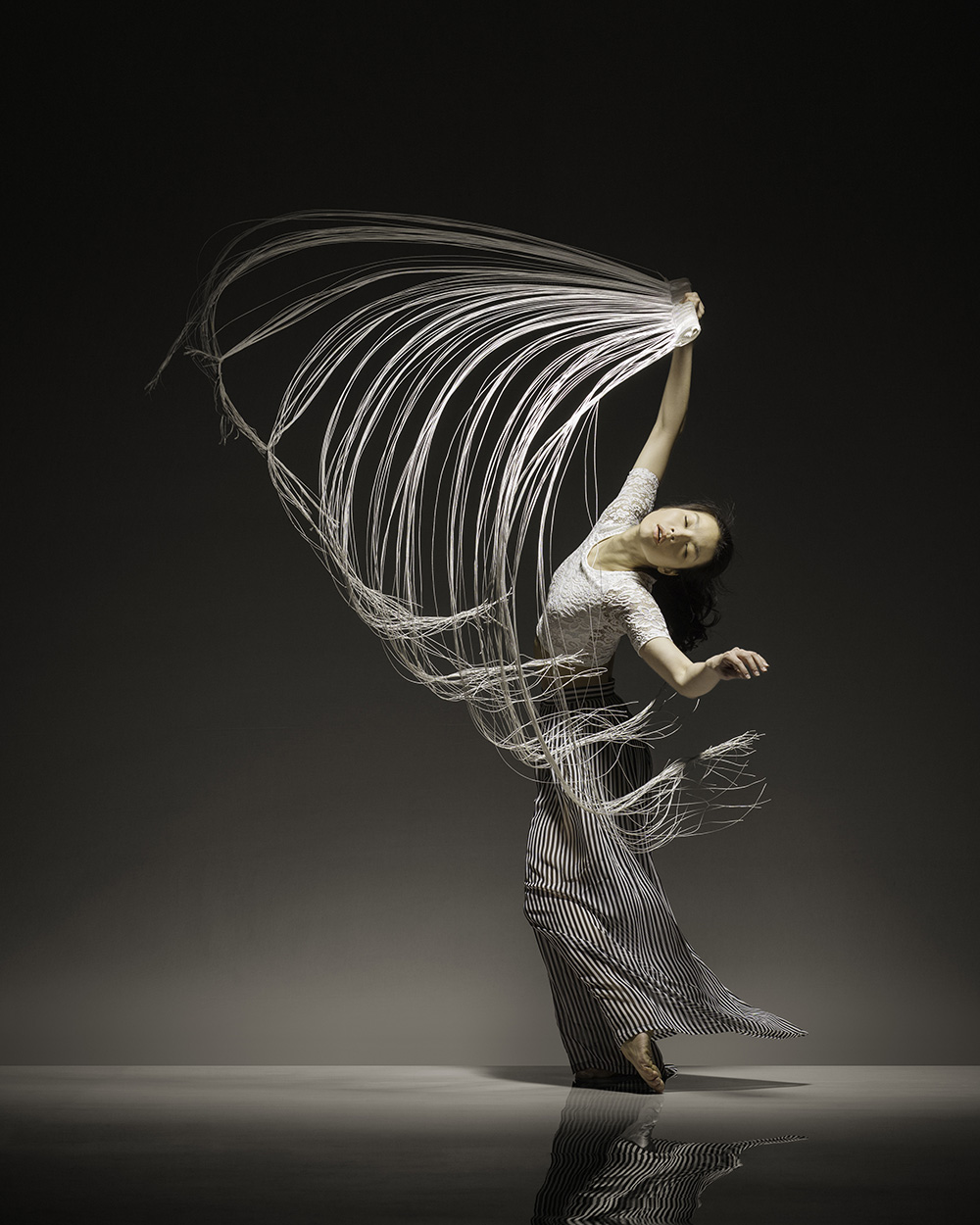
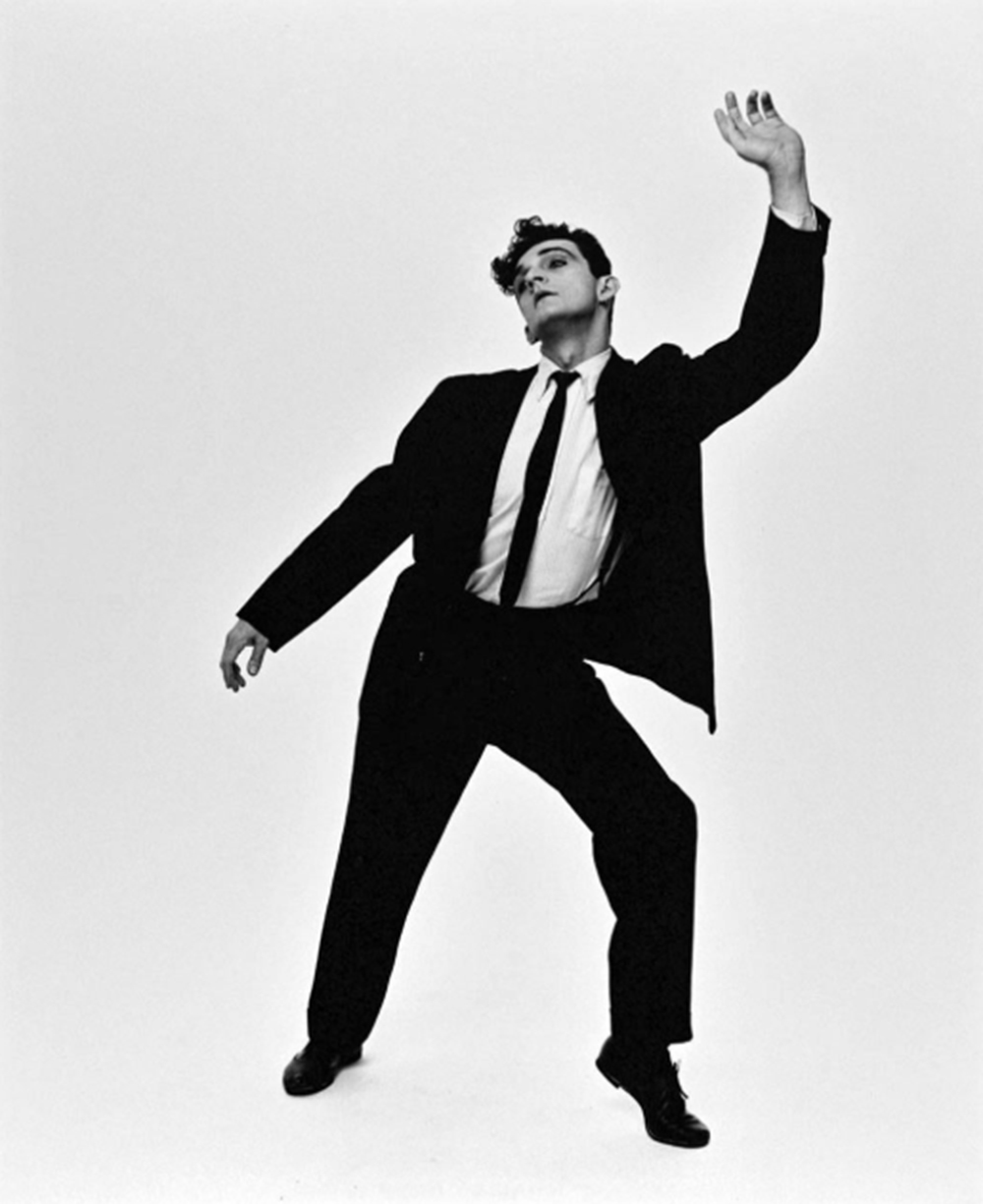
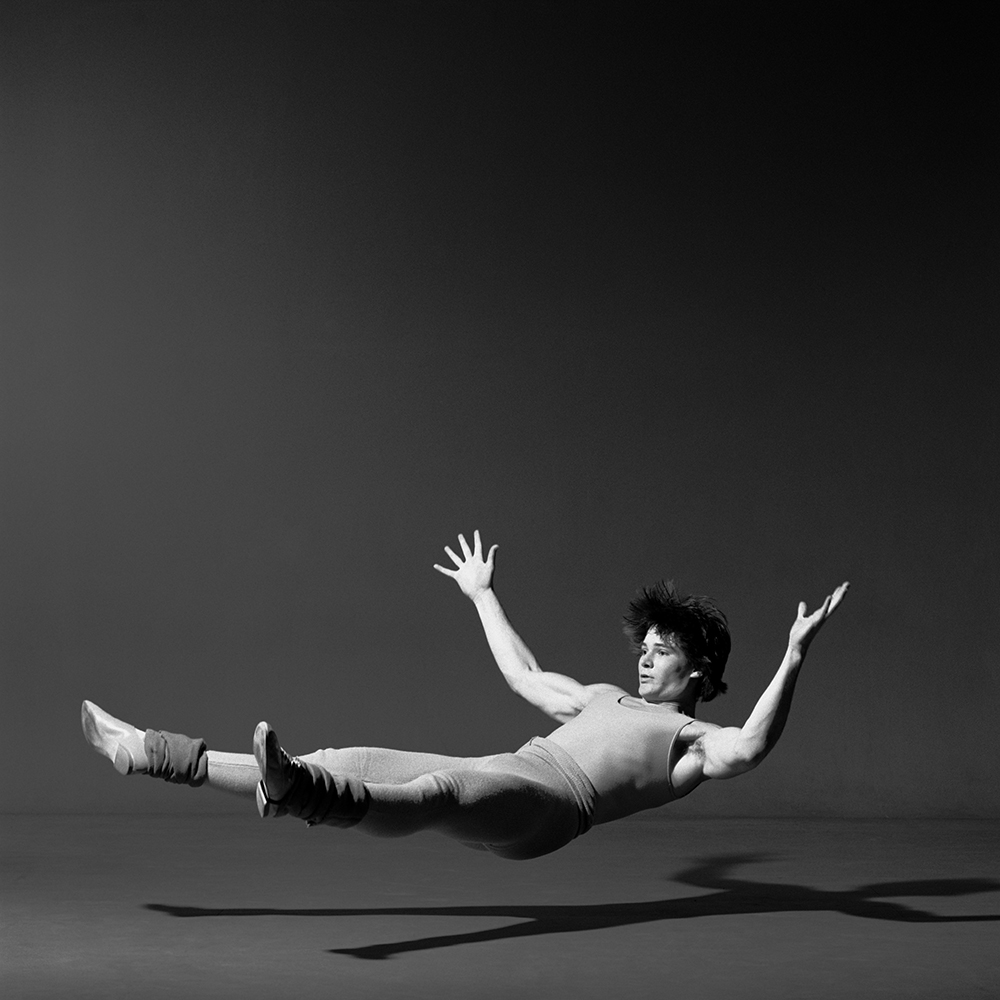
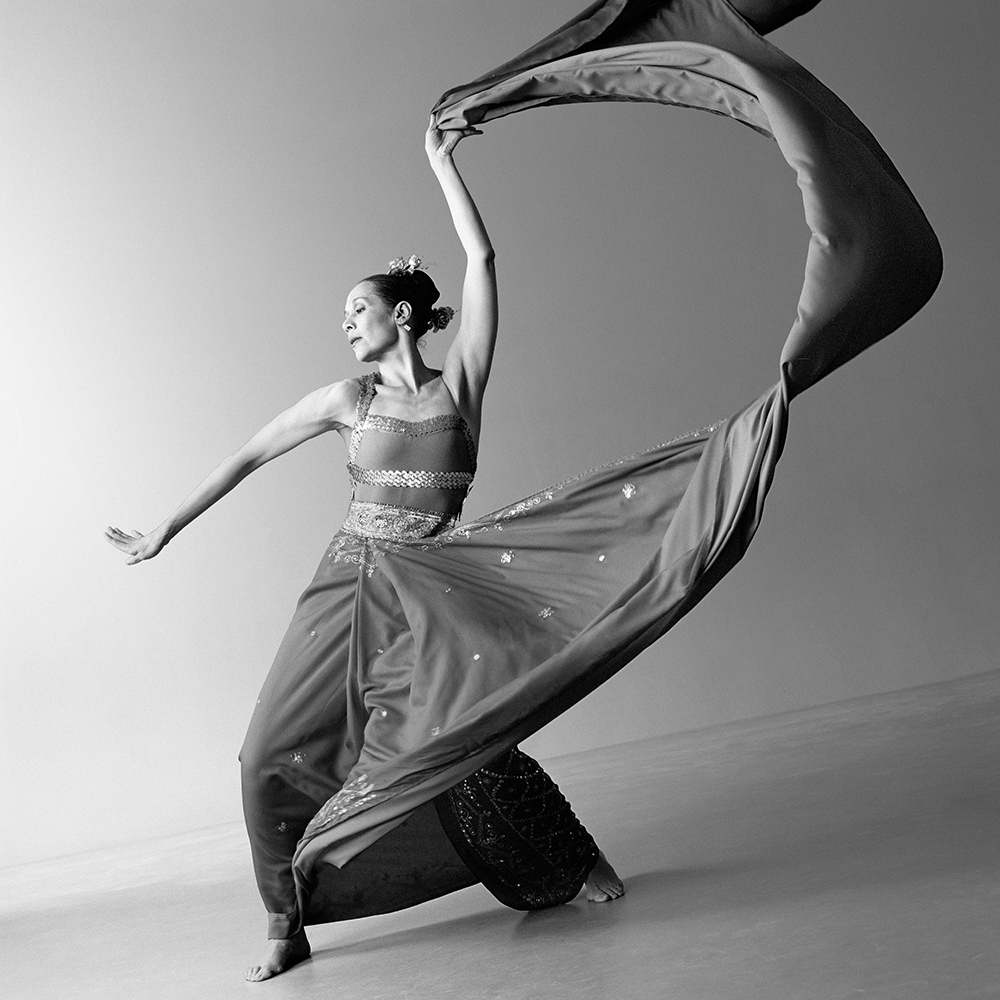
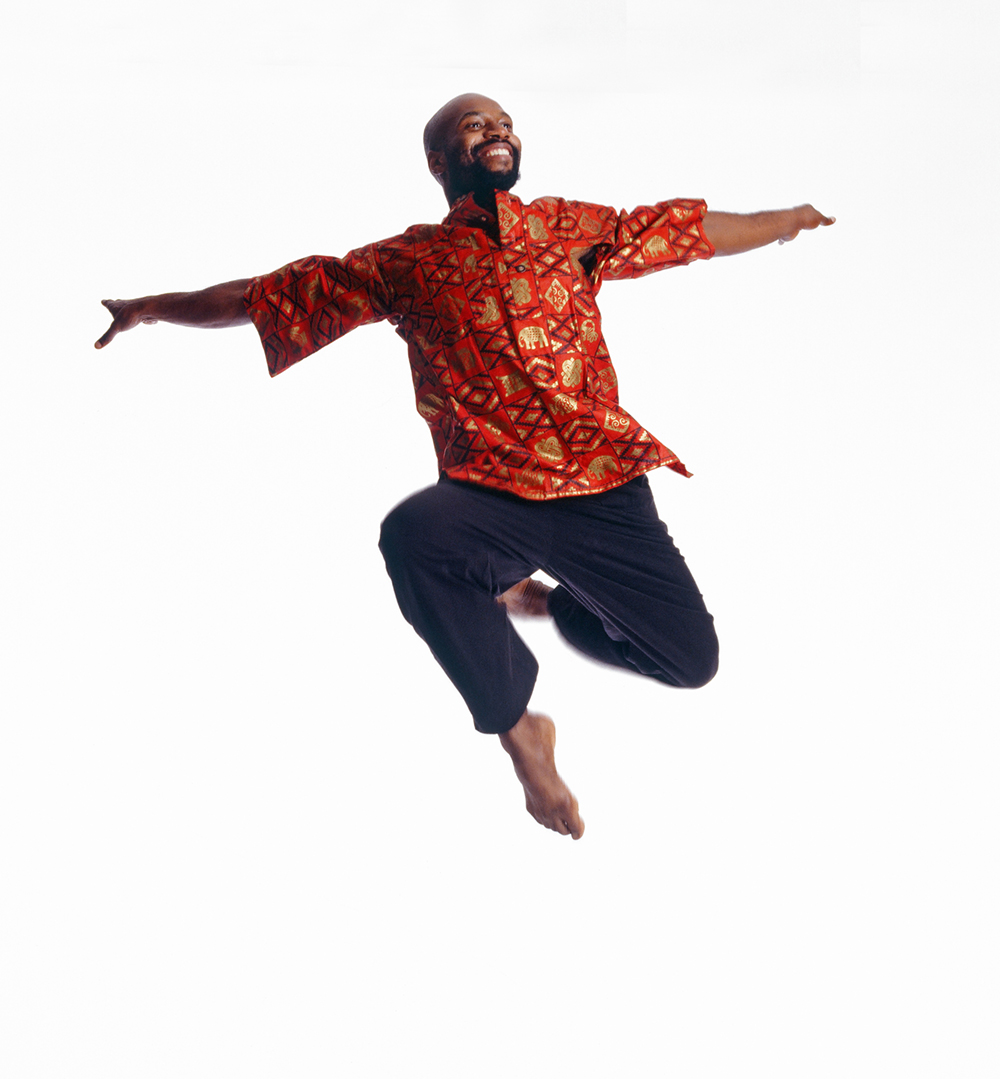
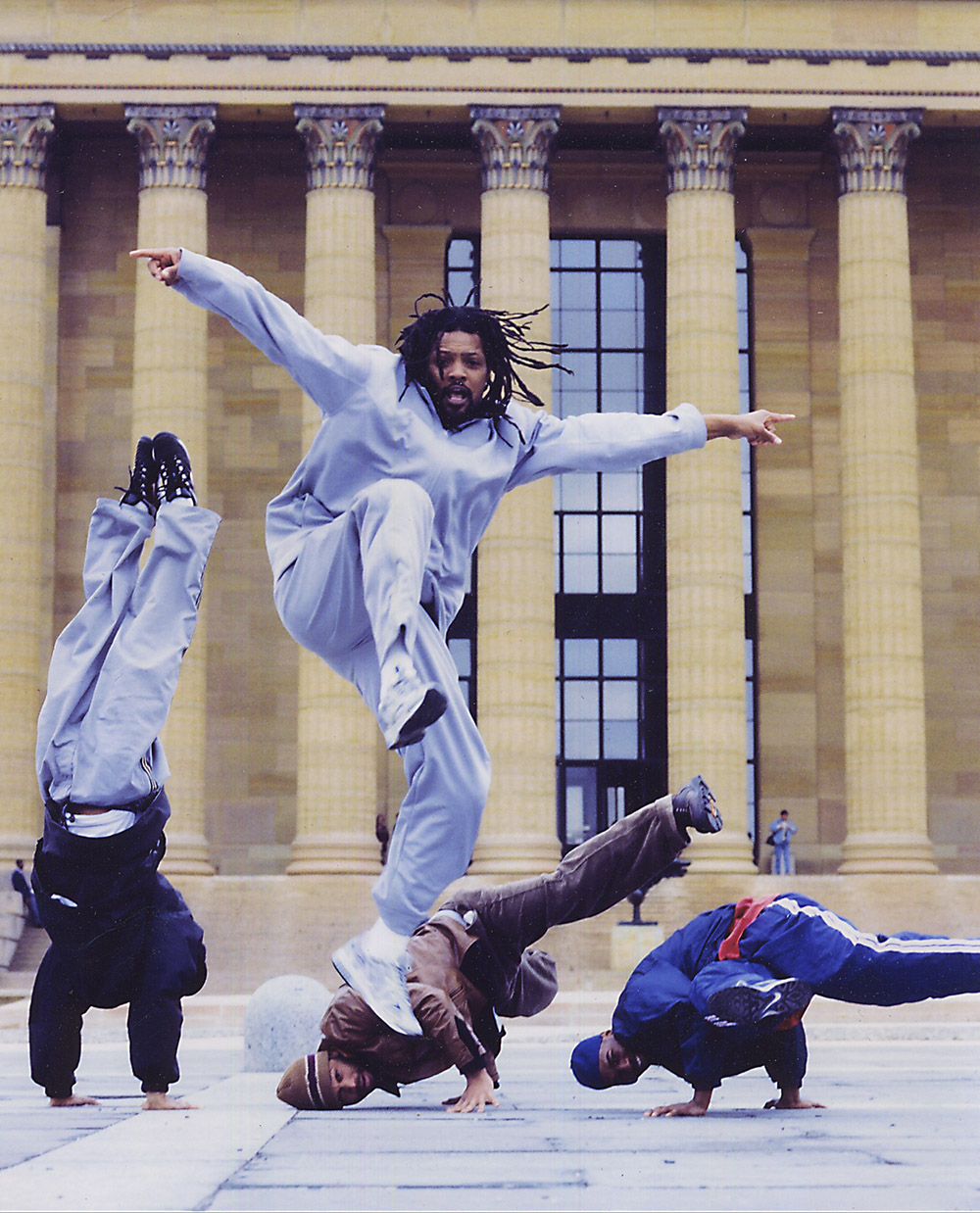
While the Pillow employed a staff photographer almost every summer, Norton had a special relationship with several nationally known dance photographers. Seen here are a series of iconic images by Jack Mitchell, Lois Greenfield, and Rose Eichenbaum. They have each enjoyed multiple exhibits of their work here.
Jack Mitchell
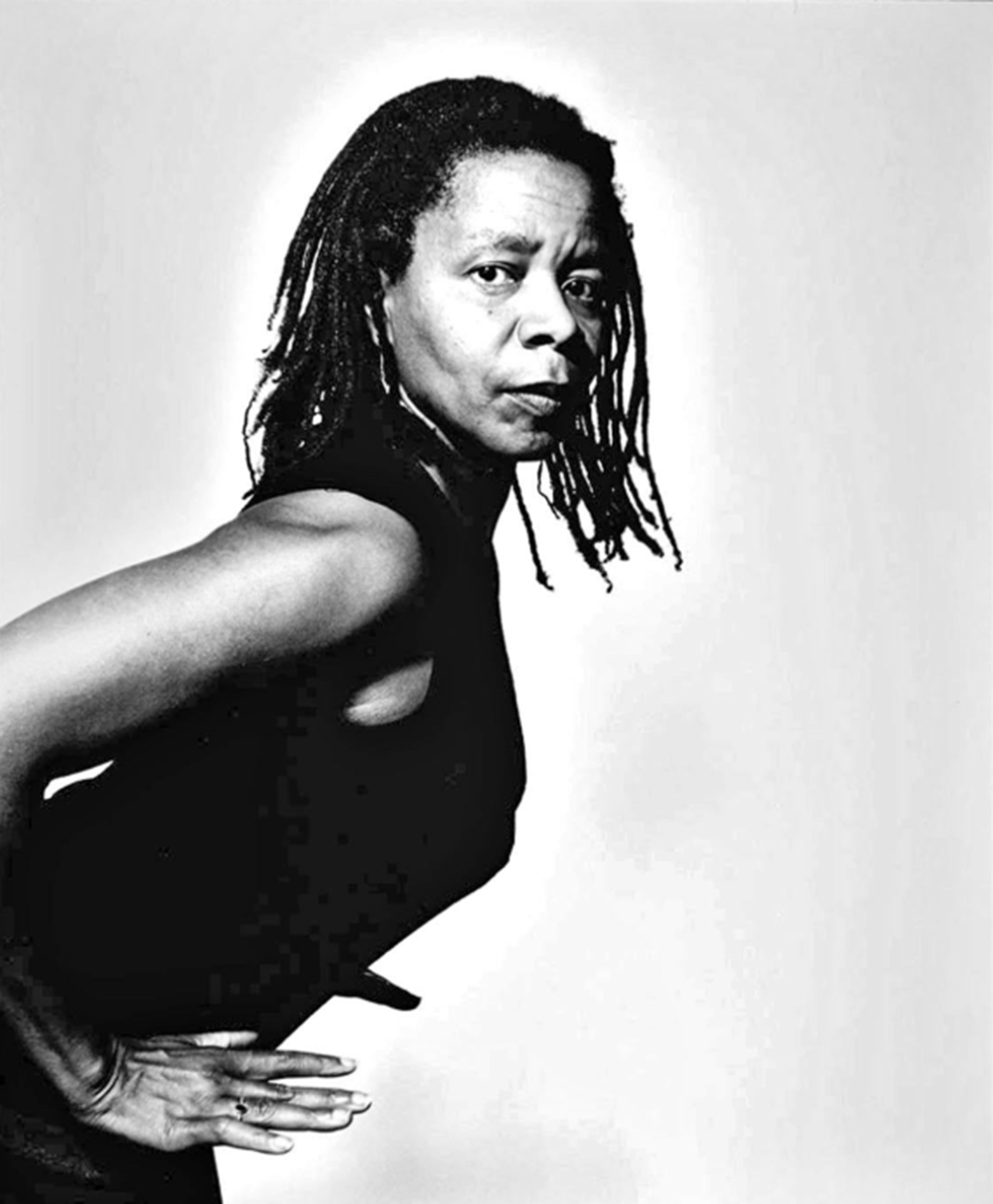
Lois Greenfield
Rose Eichenbaum
Annotated Timeline for Norton Owen at Jacob's Pillow
Norton is a trailblazer. There was no path for bringing archival treasures into our daily lives. When he started mining dance history, it was on a whim, an urge, an instinct. As he said,
Nobody was guiding me... I was following some kind of calling.”
1976
Norton graduates from Adelphi University, where Norman Walker was the Chair of Performing Arts. Walker, who was also Artistic Director of Jacob’s Pillow, arranges for Norton to attend the Pillow as a scholarship student. Jess Meeker, Ted Shawn’s pianist/composer, was still playing for classes. Norton says that meeting Jess, “a living link to things I had only read about… ignited my imagination.”
1977
Norton is on staff as Assistant Box Office Manager. That summer, the Joyce Trisler Danscompany revives Denishawn works for a one-night benefit. Norton flashes on the trunks full of old Denishawn costumes he’d seen and shows the costumes in the Bakalar Studio during intermission. “I didn’t have a vision,” he said. “I just had this kind of instinct for wanting to make sure we made connections.”
1978–79
Norton takes on many roles, including as Marketing and Press Assistant, House Manager, and writer of press releases, printed materials, and program notes.
1980
Liz Thompson begins as Artistic Director and initiates adventurous programming, moving away from early modern dance toward more contemporary dance artists like Trisha Brown and Mark Morris. Norton supports her ideas in various ways.
1981–82
Norton serves as Associate Manager in marketing and development and beyond, “a jack of all trades.”
1983–86
Norton earns a masters’ degree in arts administration from Columbia University.
1982–1987
Norton serves as Director of Educational Programs. During this period, the role becomes a year-round position.
1986–87
Norton asks Jess Meeker to recreate his piano scores for several Ted Shawn works that were recorded on silent film. “I saw Jess was getting older and I thought: we have to do this… for posterity.” He records Jess playing, transfers the film to video, and superimposes the new audio track.
1990
With clear insight, new Executive Director Sam Miller names Norton the Director of Preservation.
1991
Marge Champion donates Blake’s Barn to the Pillow, in dedication to her beloved son Blake, who had died in a car accident.
1992
Norton curates Images on Common Ground, the first of more than 100 exhibits over the next 32 years. His themes fall into six categories: Expanding Boundaries, Historical Overviews, Pillow Photographers, Jacob’s Pillow in Context, Links to Programming, and Icons.
1991–92
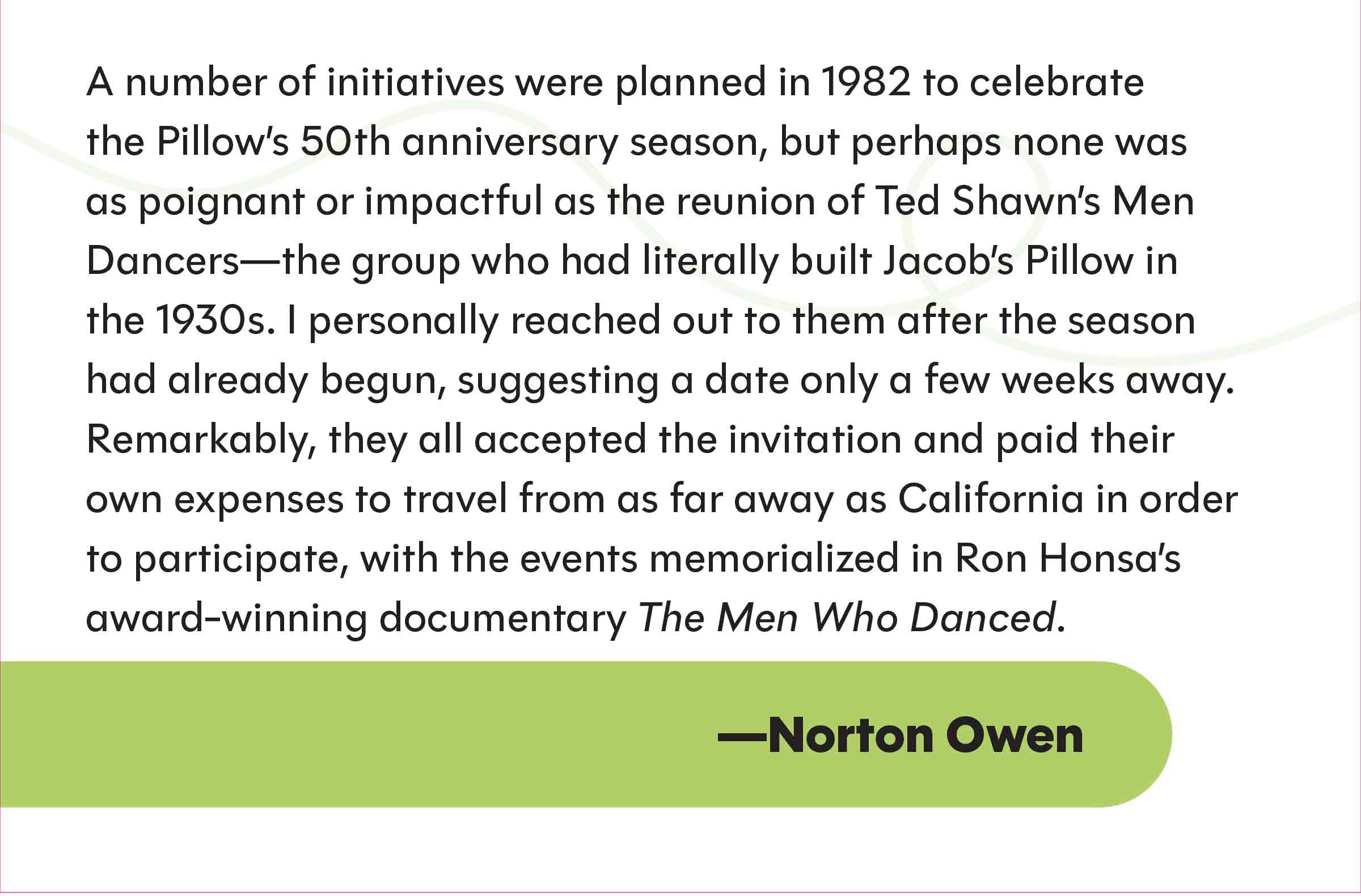
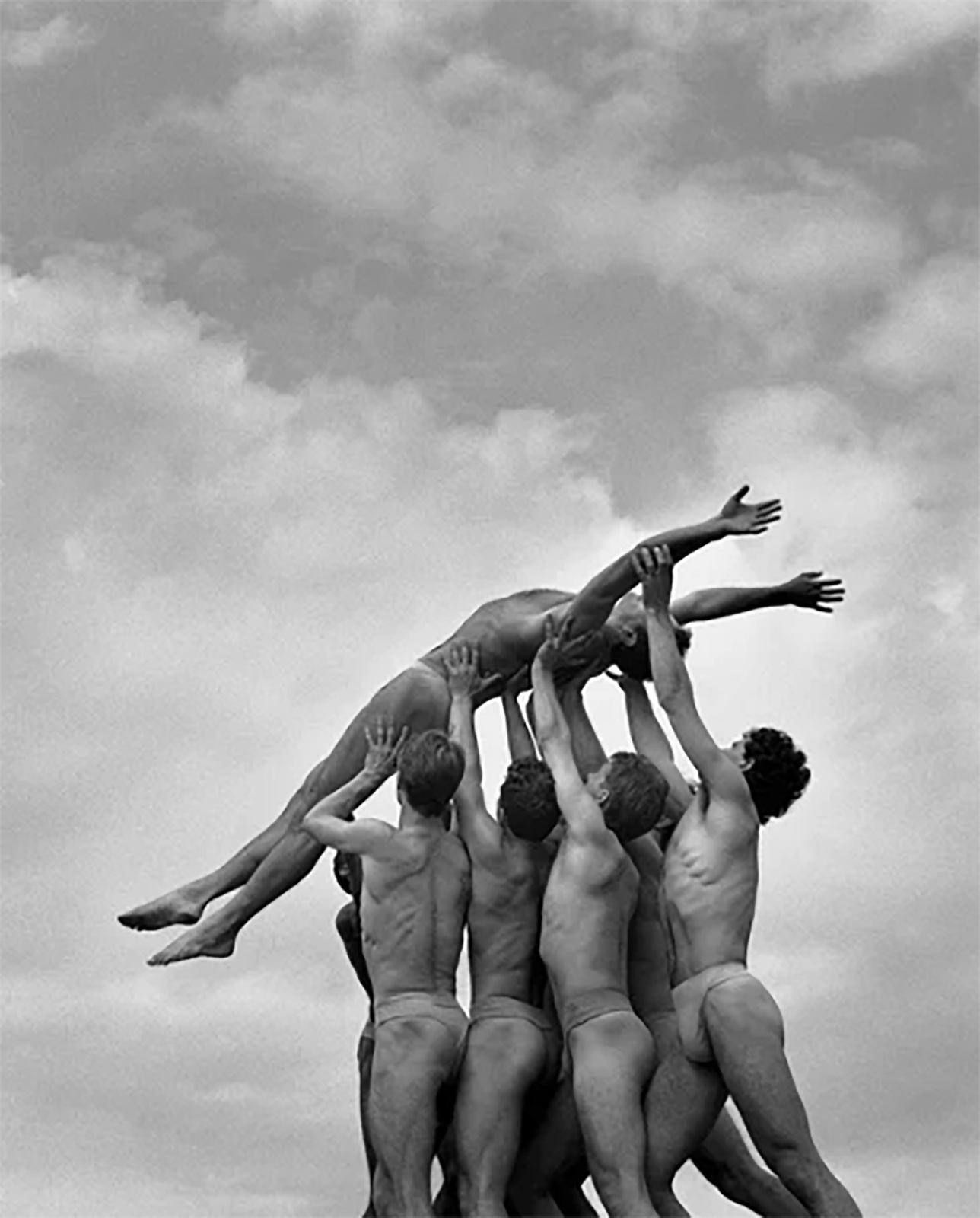
Norton serves as Artistic Advisor to Jacob’s Pillow’s Men Dancers, a combination of classic dances from the time of Ted Shawn and His Men Dancers, along with newly commissioned works. “My role was knitting all this together,” he said. “I was the go-to for historical overview.” This popular program toured widely around the U.S. and internationally.
1996
At the request of Sali Ann Kriegsman, Artistic Director from 1995 to 1997, Norton writes A Certain Place: The Jacob’s Pillow Story, followed by a revised edition in 2002 and a third edition in 2017.
1996
Kriegsman and Owen open the Archives to the public and designate a small portion of the basement as a climate-controlled area. An audience engagement program is launched with PillowTalks, pre-show talks, post-show discussions, and program essays by resident scholars, initially organized by a dedicated staff member and later taken over by Norton.
1998
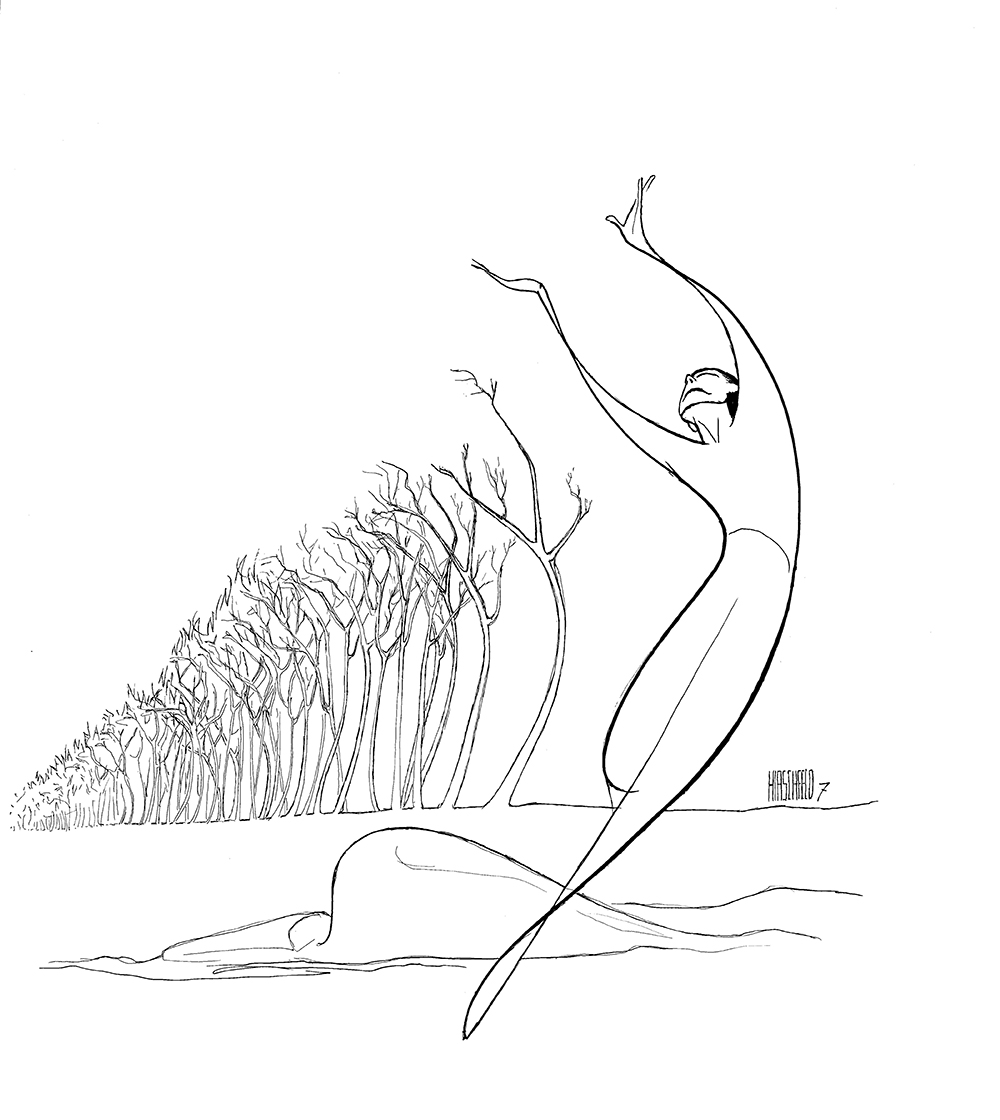
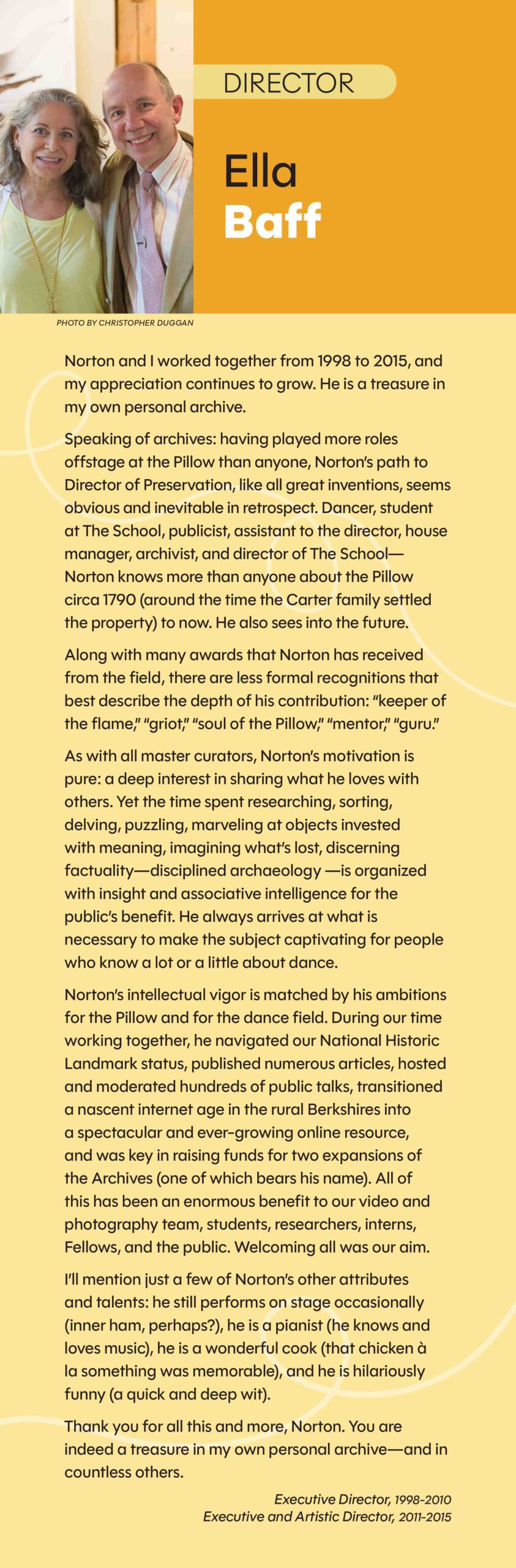
The new Executive and Artistic Director, Ella Baff, expands Norton’s hours in order to continue the audience engagement series. He widens the focus of the exhibits to go beyond dance. Ella’s vision, Norton said, “was to enlarge the scope to give dance a larger footprint, and to bring in people from other disciplines.” For example, he curated two exhibits with dance-loving illustrator Jules Feiffer.
2001
Dance/USA bestows Norton with an Ernie Award, which recognizes significant behind-the-scenes contributions to the field.
2007
Norton initiates Jacob’s Pillow Dance Interactive as an in-person, touch-screen kiosk, based on the 2004 kiosk for America’s Irreplaceable Dance Treasures: The First 100, which was conceived by the Dance Heritage Coalition and co-curated by Norton. Dance Interactive—which includes video excerpts, multimedia essays, monthly playlists, PillowVoices podcasts, and a YouTube channel, becomes a popular online resource in 2011.
2011
Ron Honsa releases the documentary Never Stand Still, with Norton as Archival Consultant.
2015
The Reading Room is expanded and named the Norton Owen Reading Room.
2016
Pamela Tatge becomes Executive and Artistic Director, working with Norton to expand the accessibility of the Archives.
2017
The Martha Hill Dance Fund honors Norton with a Lifetime Achievement Award.
2020
The Pillow expands its virtual programming during the COVID-19 pandemic, and Norton provides essential resources and participates in online talks.
2021
Blake’s Barn expands a second time, adding a Special Collections Room, instigated by Norton and funded principally by staunch Archives supporter Stephan Driscoll.
2023
Norton receives a Dance Magazine Award for creating “a dialog between past and present.”
2025
Norton is named recipient of the 18th Jacob’s Pillow Dance Award.
Along the way, Norton has taken leadership positions with the Limón Institute, the National Museum of Dance, and the Dance Heritage Coalition. But Jacob’s Pillow is the place where Norton’s imagination has soared. Explaining how he has become a leader as an archivist with a difference, he says,
It has really been built incrementally step by step. It has been a passion project. It’s something that very much sprang from my own belief that this was part of the Pillow’s legacy that needed to be preserved but also needed to be shared.”

A Tour with the Curator
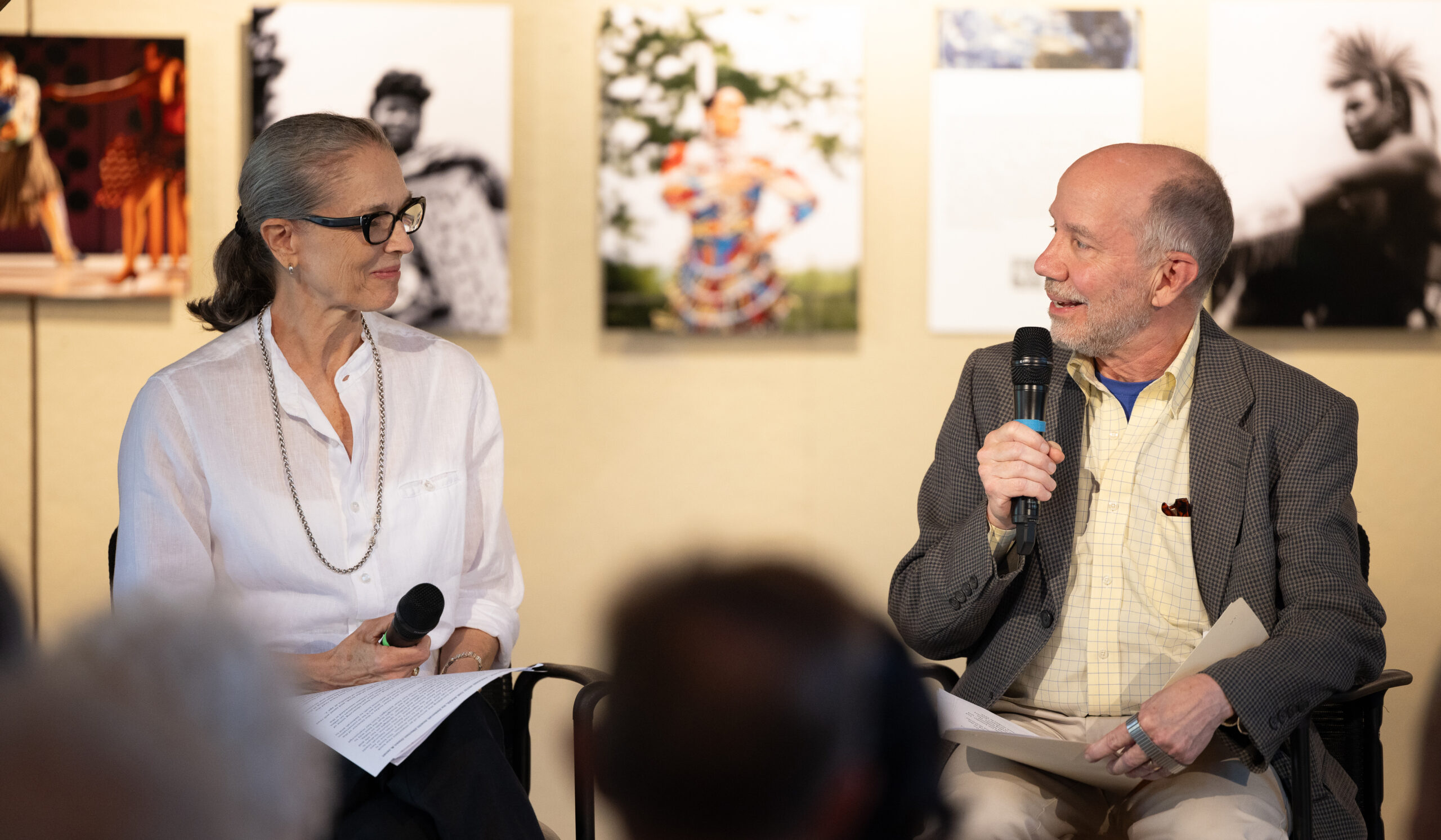
PillowTalk
Exhibition Credits
Curator
Wendy Perron
Designer
Laura DiRado
Archivist / Curatorial Assistant
Patsy Gay
Installation Manager
Jason Wells
Coordinating Producer
Kim Chan