Introduction
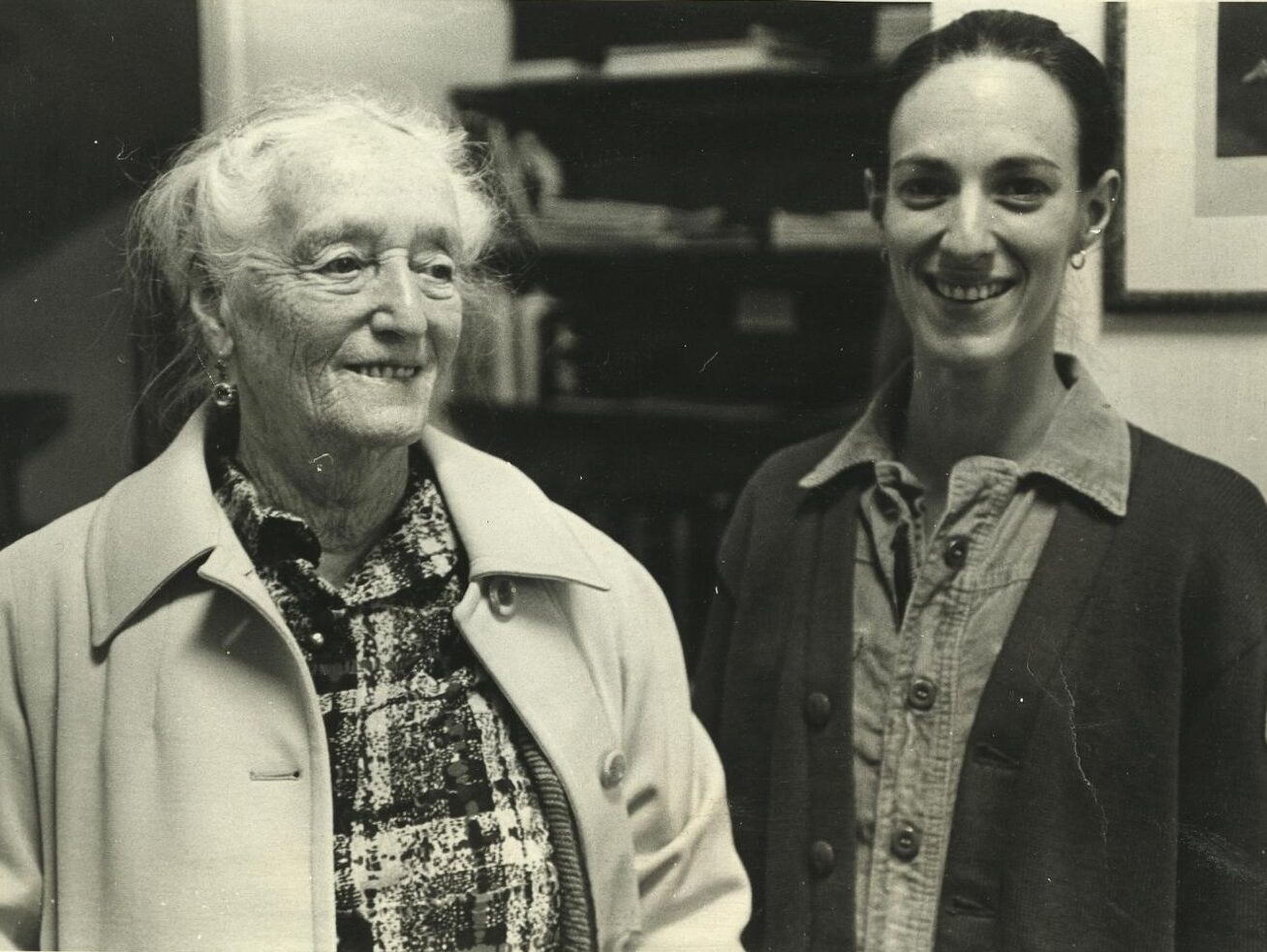
Margaret Craske was my teacher, my mentor, my inspiration, and my good friend. I first met her at Juilliard. I was placed in Antony Tudor and Alfredo Corvino’s classes and not Miss Craske’s. I got work right away and left Juilliard as a full-time student but was allowed back to study with Tudor and Corvino and perform in Tudor’s ballets when the school presented them. I was never put into Miss Craske’s class. In fact, I very nearly passed up the opportunity of studying with her. Every now and then I would watch her class at Juilliard and sometimes at the old Metropolitan Opera House and was convinced her teaching wasn’t for me.
I started guesting with Christopher Lyall in the late 1960s; he studied with Craske and he nagged me to take her class. I balked for a while but finally took her class, and for me, I saw the light after that one class. I understood the truth in dance, its purest essence was being taught in the simplest, most straightforward manner by a true master and an extraordinary woman. This was who I would study with until she passed away in 1990. When she turned 90, Manhattan School of Dance, a small studio where she was teaching at the time, closed, and Miss Craske spoke to me about it, asking me if I thought 90 was too young to retire. I promised her I would open a school so she would have a place to teach and that’s exactly what I did, founding New York Theatre Ballet School in 1978.
England and Enrico Cecchetti
Margaret Craske was born in 1892 in Norfolk, England. She said it was “not a good year for professional dancing in the British Isles. And I never wanted to do anything else, not then. And even later, the music hall was where it was at. Ah, the English music halls! I learned so much about the theater from the music halls, almost more than I did from the theater.”
The dance writer David Sears wrote an article on Miss Craske and she spoke about studying with Cecchetti: “My best years of study were with Maestro Cecchetti. I first saw him in 1918. People had said to me that he was too old to teach and not to go near him. But one day I was passing his studio and thought, ‘Well, even if he is old, I’ll go and see him.’ And there was a lion teaching, not an old man at all. In class he was charming. He whistled, not having an accompanist. But when you did something wrong, he often crossed the room with his stick and gave you a crack. Of course, you’re not allowed to do that nowadays.” She told us that when a student didn’t use their head well in a pirouette, he would have them spot his fist and if they didn’t spot, he would bop them in the nose.
In an interview with Ballet News when she turned 90, she talked about Cecchetti saying, “He was a darling. He would bend his head and look under his eyes at you as if you were a criminal. He was a very fine teacher. One loved him.”
She danced with the Ballets Russes for several years. Miss Craske said that “my joining the Ballets Russes was rather an accident. I had never applied for the company as I didn’t rate myself that high. One day Diaghilev came to watch Cecchetti’s class hoping to find a new dancer. After the class he told Cecchetti, ‘I’ll take that girl,’ meaning me. So that settled it. My time with the company was wonderful and crazy. There were great artists all over the place.”
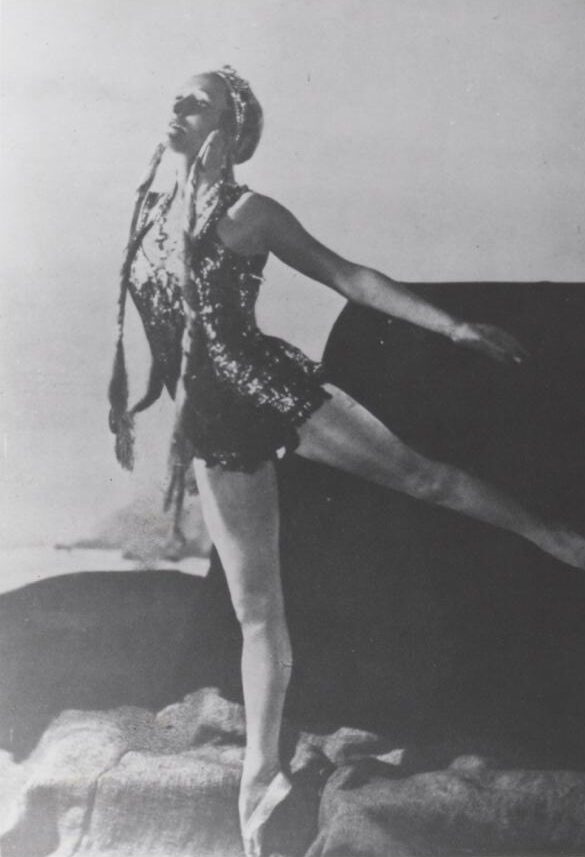
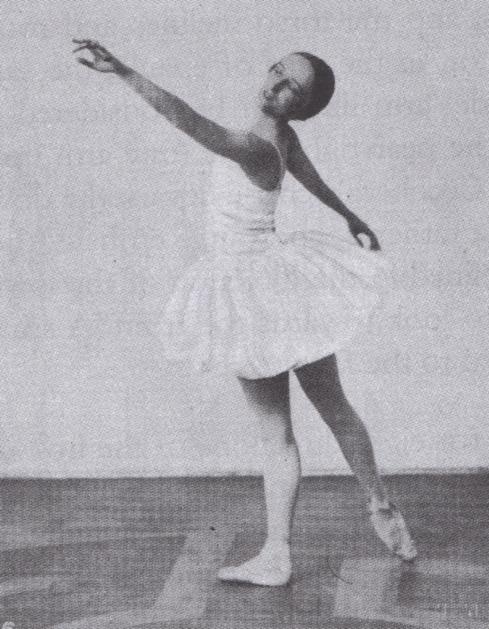
After leaving the company, with Mabel Ryan she opened the Craske-Ryan School in London, which closed on the eve of World War II. She choreographed for the Carl Rosa Opera Company and many London musicals. She also danced as a principal for the Royal Italian Ballet and appeared with Tamara Karsavina in The Truth about Russian Dances. During that time she was asked to break in Anna Pavlova’s pointe shoes and they became great friends. She said, “In those days when classical ballet was just beginning to grow out to the world, the ballet was tremendously exciting. Live performance was the only performance and the most alive of all performers was Anna Pavlova. Pavlova was the Shakespeare of dance, one of the perfect artists that come along only very, very rarely. I was very fortunate to be her friend.”
Miss Craske toured the English provinces with a group that included Ninette de Valois and Marie Rambert performing in English music halls and variety theaters. She reported that, “It was divine! That was absolutely the most wonderful audience in the world. If they didn’t like you, they threw things.”
During one of the dance tours she injured her left Achilles tendon which brought her performing career to an end. She returned to England and became Cecchetti’s assistant. Cecchetti often asked her to clean up and fix the manuscripts of the adagios that Stanislas Idzikowsky had made.
Cecchetti maintained his studio in London until 1925, when he left for Milan. Miss Craske said, “I had no plans, you know, Cecchetti used to have me around to teach evening classes. Then he’d find he couldn’t stay home so he’d pop into them. I learned a lot that way, with his interfering. Before he died he wrote me a letter saying I was the only person who not only knew his work but also knew how to teach it.”
During the 1930s, Miss Craske taught at her own school and Sadler’s Wells and choreographed for the Carmargo Society. And she began to work with Cyril Beaumont on the codification of Cecchetti’s exercises in allegro dancing as well as continuing to do examinations for the Cecchetti Society. “The Cecchetti technique was divided into graded examinations, and I think we made a mistake there. Because you have to know the whole thing. So often a person would come in from North Cumberland or somewhere to study and pass the first two exams, then leave to start a school. Well, you can’t do that. It became commercial. It was too fast.”
“I don’t know what Cecchetti would think if he saw our dancers today. He’d probably growl like a dog and get on with his work.”
Spiritual Life
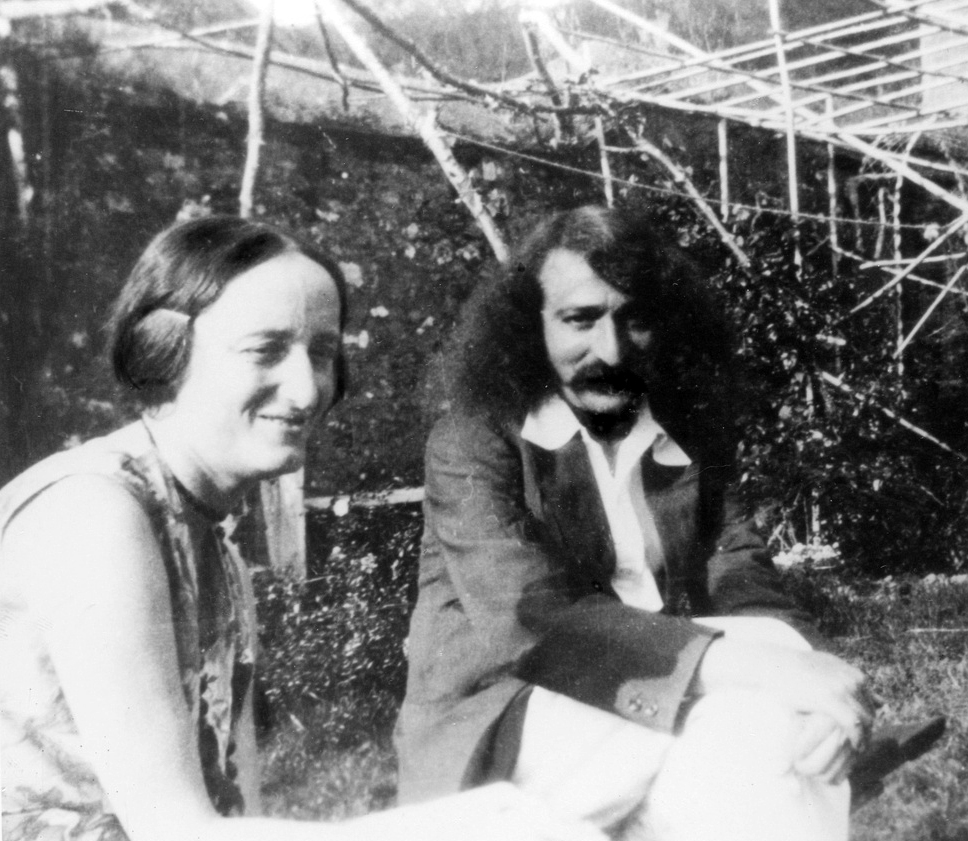
Her spiritual life was a very important part of everything she did. She said, “Between 1929 and 1931, everything I valued disappeared. My father died, my mother died, the man I was in love with died. Diaghilev died, Anna Pavlova died. So I was in quite a bad state. I had spent my life looking for God and I now thought it was all nonsense. I was not going to look anymore—I had had enough! I resolved to go somewhere to recover enough to decide what to do next.” It was then that she met an Indian spiritual leader named Meher Baba who became her guide throughout the rest of her life. She kept this part of her life very private and it did not come into class at all, but since it was such a deep part of her being you could almost feel it in her teaching. After living in India from 1939 until 1946, Meher Baba told her to go to America to continue her teaching.
Working in America
Craske explained that, “It was really through Tudor that I got to the United States. He suggested I come to American Ballet Theatre as a ballet mistress to Lucia Chase and I toured with ABT for three years.” She signed her first contract with ABT on August 27, 1946. The contract said that she was to come to New York City at her own expense and she would receive $150 per week for conducting an hour and a half class for the company, 6 days a week. The contract also stated that Tudor would obtain a sufficient number of additional pupils so that her weekly fee would be about $110.
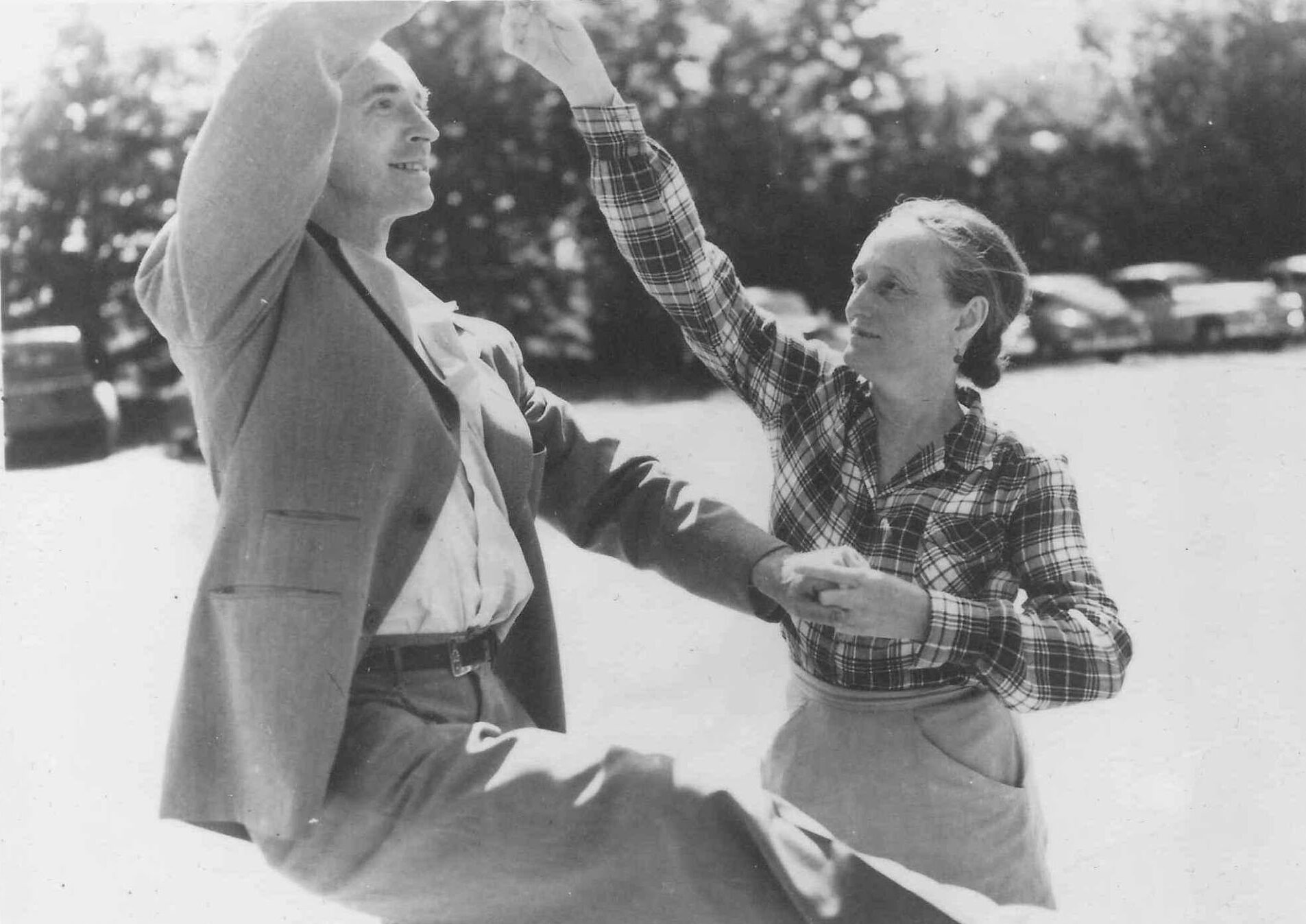
Craske spoke of her admiration for the choreographer, “Tudor was popular. I remember Shadow of the Wind. I was fascinated by it, though it’s lost today. But it was his best ballet. It was the emotion at the moment of dance that he got, the artist from the inside.”
Tudor and Craske worked together for many years and although the relationship was one of great respect they would nip at each other. Students sometimes referred to one Tudor variation as the ninth Cecchetti port de bras. The “Tudor ninth port de bras” ended with a grand finale: the execution of a somersault. She said that “Tudor was, after all, a choreographer and all of his students recognized that. He was often experimenting, using his students to search for the right step, sometimes simply setting a step to determine if it was humanly possible. This separation of teacher and choreographer made absolute sense. The teacher is true to a specific technique, the teacher sets down the law. The choreographer has license to break all of the rules. The choreographer uses the technical groundwork a teacher has established in creative and unorthodox ways.” Craske told her students that the choreographer is correct; he or she has the right to do anything they want. “That is the reason you are trained…to do what the choreographer wants.” Through discipline, Craske gave her students the freedom to meet a choreographer’s demands. About choreography she stated: “The movement must mean something, an emotion or something deeper. It’s difficult to explain because you can make one movement mean one thing, and then the same movement can mean something else. There is no room in the world for dancers running around and around the stage and then kicking their right ear.” People who are familiar with the work of both Tudor and Craske are convinced she had a substantial influence on Tudor’s ballets. Miss Craske refused to hear any of it. “Tudor’s genius was something that was there. Who could write like Shakespeare? No one has done it since.”
Miss Craske reflected on her time at ABT, “I remember Alicia Alonso wouldn’t come to class but she had private classes with me onstage just before performances. Oh, the stagehands hated us. She wouldn’t leave until she got what she wanted. And she’d never forget it either. There was this thing inside of her. Pavlova had it. Alonso, Fonteyn, Gelsey Kirkland. It is something inside that comes out. You can learn the steps, but when you’re on stage, you change. You become the dance. No teacher can give it to you.”
After Miss Craske passed away, ballet dancer Sallie Wilson reflected on her class and teaching style, “When she walked into the studio, the large class was quiet, everyone placed at the barre and already standing in second position. After a moment she said, softly, ‘lift up your bodies’…and…and the room seemed to rise as the pliés started and my heart leaped. This was my first introduction to Margaret Craske…and I knew she was my teacher. Her teaching was harmonious and real. Ballet was unfolded to us as something natural, never artificial. We learned placement as a moving study; placement in the air, on the ground, on pointe, in adagio, in action. It manifested itself in line, expression, feeling, breath, ease. What for a time might seem pedantic and repetitious and difficult turned out to be discipline that freed us. She made sure that we knew what we were learning, why we were learning it, and what it was used for. She asked us to learn movement by seeing it, the shape, the whole, the details. The scope of her teaching was infinite. Technique was all important, but that was but a small part of dance, a tool to work within the dancer. There is really no way to describe the experience working with Miss Craske. She was the light of our lives, illuminating and inspiring, and more…”
I especially like an essay written by Richard Glasstone, prompted by the death of Miss Craske and Dame Peggy van Praagh and a lecture by Ninette de Valois. He shared, “What more convincing proof can there be in the fact that so many Cunningham dancers were Margaret Craske’s greatest devotees? Her New York studio was a mecca for many American dancers, both classical and modern. The rapid changes of direction, the finely tuned sense of balance…as well as the mastery of off balance movements, the incredible bursts of speed so characteristic of Cunningham’s choreography, all of these are amazingly similar to the demands made by that of Cecchetti.”
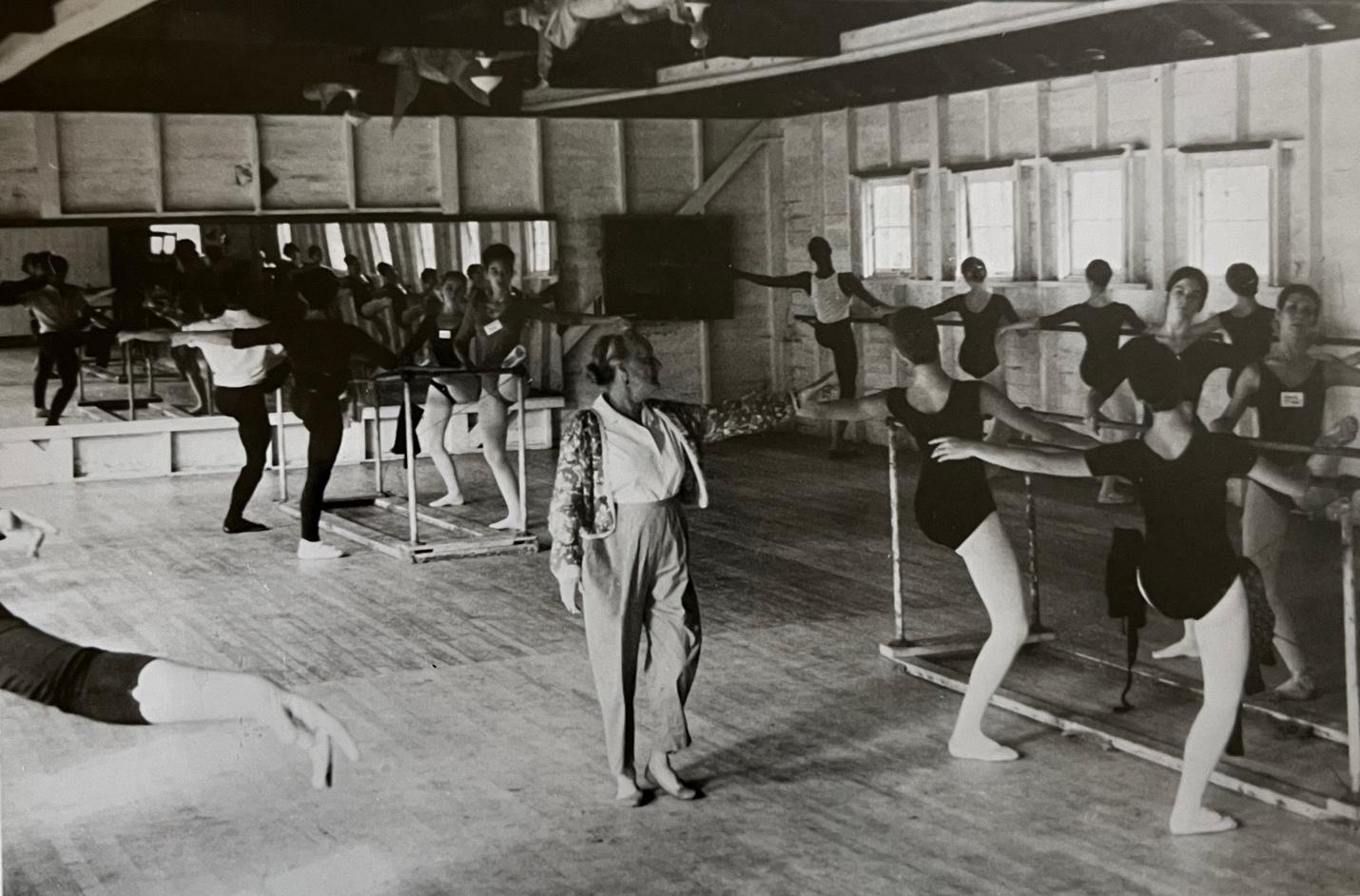
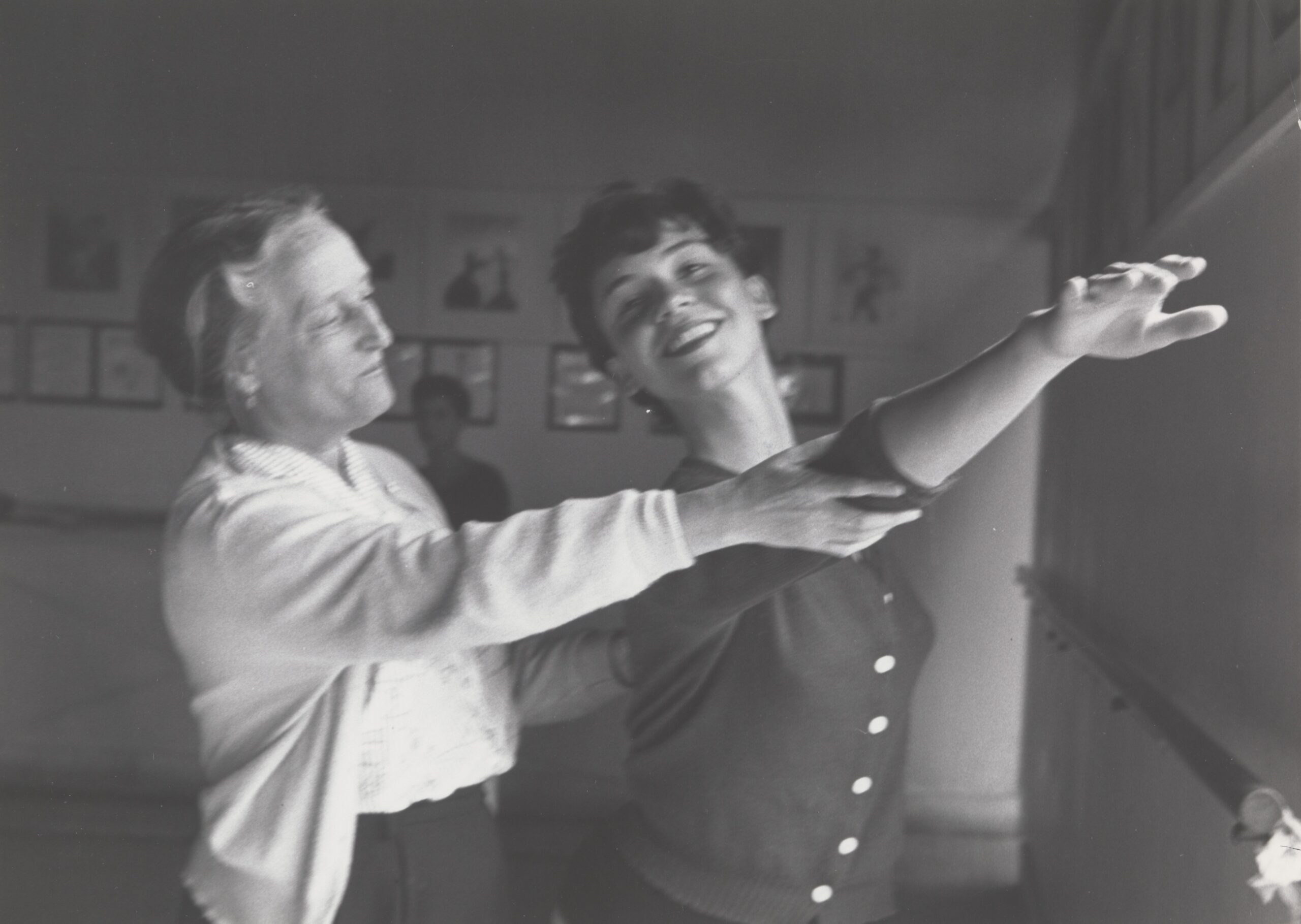
During my years of studying with Craske, many students were dancers from the Limón company and from the Cunningham company, and I used to stand behind Paul Taylor when he showed up for class.
Over the years her pupils included Frederick Ashton, Margot Fonteyn, Robert Helpmann, Antony Tudor, Sallie Wilson, Agnes de Mille, Nora Kaye, Alicia Alonso, Jerome Robbins, Hugh Laing, Peggy Van Praagh, Melissa Hayden, and the modern dancers Paul Taylor, Carolyn Brown, Betty Jones, Sarah Stackhouse, Viola Farber, and Jeff Slayton, among many, many other well-known dancers. In the USA she taught at American Ballet Theatre, The Juilliard School, The Metropolitan Opera, Jacob’s Pillow, Manhattan School of Dance, and New York Theatre Ballet.
My Experience in Craske's Classes and Beyond
When I studied with her, there were curtains over the mirrors. The curtains were pulled open only if the dancer was having a problem with something and she felt it would be beneficial to look at the body. She always came early and stayed after class to work with someone who needed help or had a question or needed coaching in a variation they were doing.
The children and advanced professional classes had essentially the same barre work. The children in her children’s classes were not beginners but had a few years of training. She auditioned all children hoping to study with her. The children started sitting in a line stretching their feet before Miss Craske started the class and then moved into a circle with Miss Craske in the middle and did stretching exercises. She said they were exercises she did when she was in elementary school. After those they did a folk-dance step in a circle. It could be a hornpipe, a Viennese waltz, a country waltz, or a polka.
Then they began barre work arranged smallest to tallest at the barre. Center work always included adagio, pirouettes, petite and grand allegro, and sometimes she worked on dances that she created for the class: Picking the Berries, a Tarantella, a Russian Handkerchief Dance, or an English Country Dance.
She always taught with an assistant. If a child was having a problem with a step, they worked one on one with the assistant so the class could keep a steady pace and didn’t get bogged down by someone who was not executing something properly.
For the advanced/professional class we started at the barre which was usually 20-30 minutes and then had a few minutes break. Her barre was always very simple. She said barre was to prepare the dancer for center work and then rehearsal or performance and was not to be a choreography opportunity for the instructor. Center started with corrective spine exercises, usually finding movement in the top of the spine under the shoulder blades, then we started the center work. She gave us the set combinations, but we would also do combinations that she made up. We worked on gesture, expression of the hands, and expression in the eyes for different movements and to different music. Sometimes we did the same port de bras to music with different qualities. It was always about dancing and generosity to your audience. The class was an hour and 45 minutes with the last 15-20 minutes for pointe and men’s steps. If you didn’t do something well that she thought you could actually do, you were sent to the water fountain, which was in the back of the studio, to practice.
For two years I rarely made it past grands battements. The class was grands pliés, demi-pliés, grands battements, tendus, etc. I would do about three grands battements to the front and she would send me to the water fountain to practice because I was lifting from the hip. She knew I wanted higher extensions, and she would have none of it if the execution was not correct. Pointe was always a separate technique. You were never permitted to put pointe shoes on during the regular technique part of the class. Full pointe classes were twice a week, one advanced for an hour and a half and a beginner / intermediate level for an hour and fifteen minutes. For this class you were expected to come early and do a barre on your own in soft shoes before the class began. She would not let you into the advanced class if she felt your work was not ready for that level.
I remember a principal dancer from a major company who took the advanced pointe class once. Miss Craske asked her to leave and to attend the intermediate level class because her knees were late on her relevé.
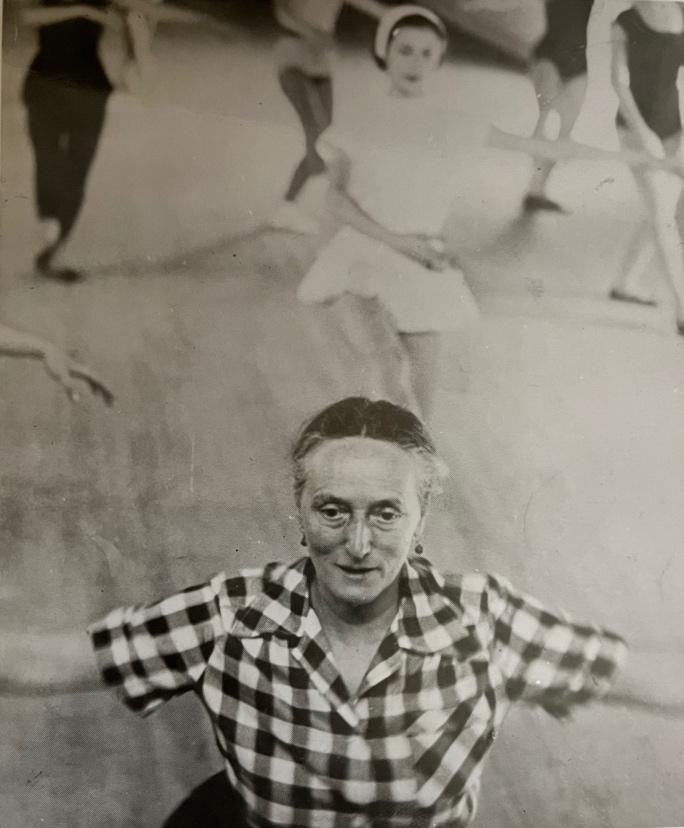
I think an important thing to mention is that she rarely used images in her teaching and she accomplished a lot without saying a lot. You just sort of did it without long explanations. She never clapped or snapped or counted out the music and rarely spoke while the class was dancing. She allowed the students to hear the music rather than her voice. And she always had live music. There was a purity and directness in every class.
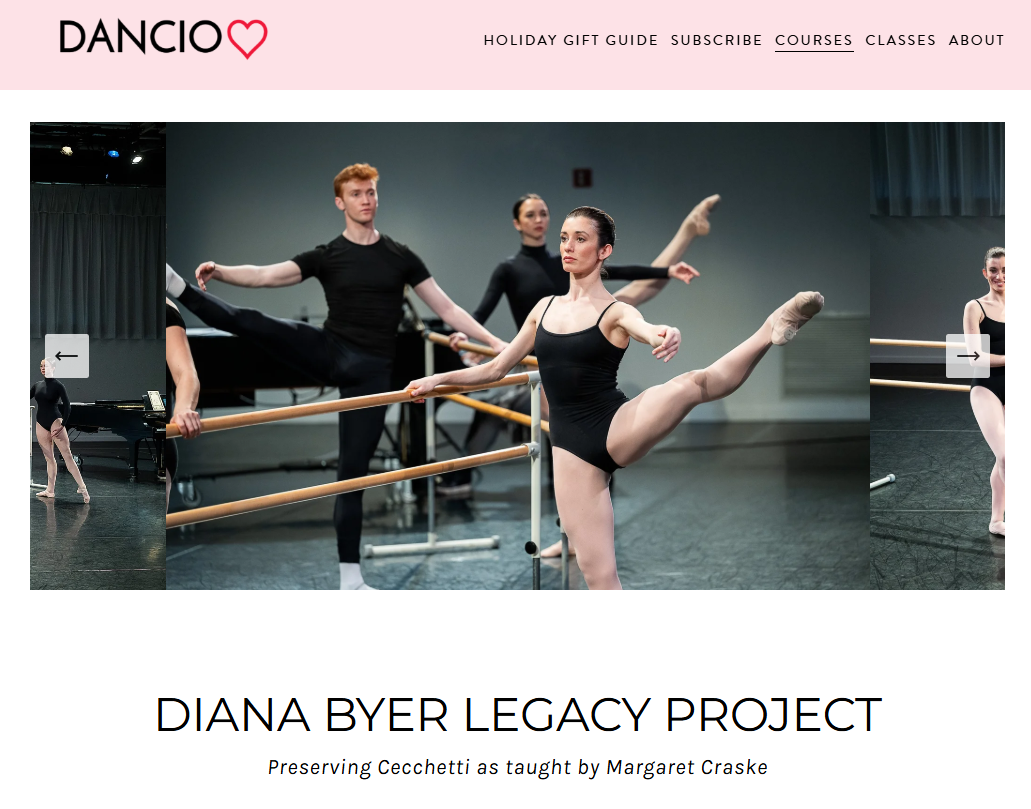
There are films of her teaching classes at Manhattan School of Dance at the New York Public Library for the Performing Arts at Lincoln Center and recently I taught 16 classes for Dancio and Jacob’s Pillow showing the way her class usually progressed. This collection of classes can be found at the Dancio website.
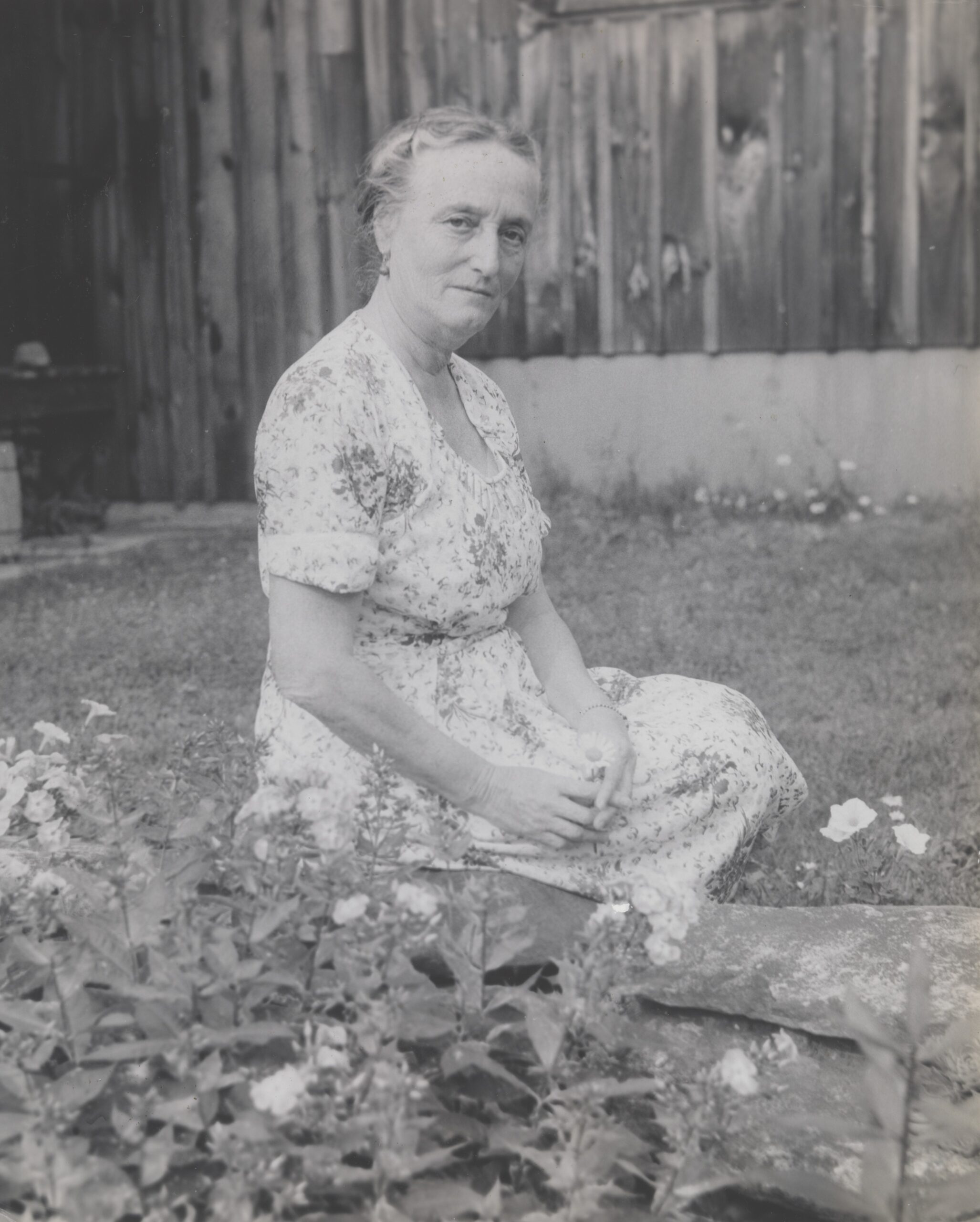
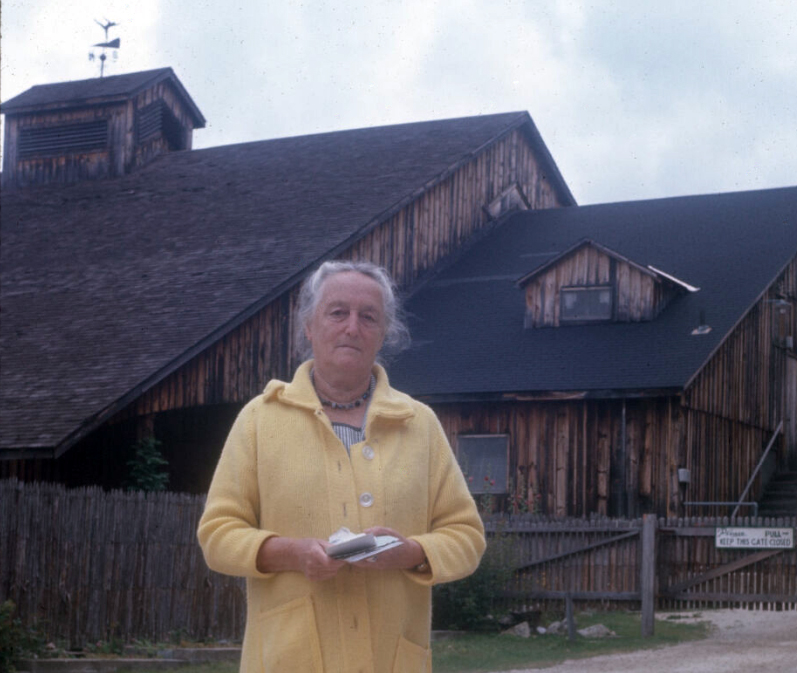
During her last year of teaching, at age 96, she was teaching eight classes a week. In one class that year, her cane slipped and she fell in front of the children. I always felt that was the beginning of the end. During the summer break, she said she would continue teaching but when we started the season, she kept saying she would come the next week and then the next week. At that point walking was difficult for her. Years before she had been in an accident when she closed a taxi door on her coat and the driver didn’t realize it and dragged her for a block. Since that time she always walked with a limp. In her last years it got a lot worse and she started using a cane. So I thought I would bring a wheelchair to her room at the Wellington Hotel where she lived since 1946 and bring her to teach at the school every day. I arrived at her apartment with the chair and she hit me in the head with her cane and said she could walk. She never came back to teach. She moved to Myrtle Beach and lived at the Meher Baba Spiritual Center until her death. Many of us would fly there to visit and she would give us a class. Peter Saul told me that in her last moments she looked at him and asked him to do an entrechat six with her fingers.
And Now What?
Many of Miss Craske’s pupils have gone on to teaching and stage careers. One thing she used to say often in class was “Do not give in to fads.” It’s been hard, in these recent times, to not give in to fads if you want your pupils to get jobs. It’s such a different time. However, I firmly believe that if you stick to teaching without giving in to what’s popular at the moment you can produce artists.
Victor Abreu studied with me from when he was 9 to 16 years old and is now a soloist with New York City Ballet. His entire training was in the Cecchetti method. When ABT was closed for a short while in the 1950s, Sallie Wilson went to NYCB and Balanchine adored her. Sallie danced opposite Martha Graham in the premiere of the Graham/Balanchine collaboration at NYCB, Episodes.
I point this out to say how training in the Cecchetti tradition actually does allow the dancer to move in and out of many styles. How do we continue this kind of training where muscle strength is a supple strength from practicing vocabulary and not from going to the gym. Extensions have meaning—not intellectual meaning, just intelligence. Classes give students a wealth of vocabulary even if it takes time to master. Classes are taught and not given.
How do we do that in these times? Where technique is more than jumping and turning and includes how to be generous to the audience, to not appeal to the audience and to dance without affectation, to use technique to reach the audience and move them in new ways. There are wonderful dancers in the world. But I think it’s something to think about.
I’m looking forward to seeing where dance training goes from here. How can we make the Cecchetti work live as a way of training artists that are working in the major companies? How can Cecchetti-trained choreographers bring the style into their work? There are two emerging choreographers, Julian Donahue and Amanda Treiber, who are just starting out and using the vocabulary and movement aesthetic in their work. I have a lot of hope for them. I know all art reflects the time it is in. It’s a difficult time but an exciting time to see where our field goes from here.
I want to say how very blessed I was to study for so many years with Margaret Craske because, as Cecchetti said, she made it real and not just from a manual. As we get further and further from the source, we might be in danger of losing the essence. I feel that as a teacher from the direct line of Cecchetti to Craske to me, my job is to preserve the essence of the teaching and not give in to the current fads. After all, it’s about dancing.
About Diana Byer’s Teaching
I invited one of my former students to share some reflections on my teaching and the continuing legacy of Margaret Craske.
“Diana Byer often speaks about ‘seeing the light’ after studying with Margaret Craske, and I believe that many of us have had the same reaction after taking class with Diana. Her way of teaching is a clear dedication to the art, passing on with care and integrity what she learned from Margaret Craske, a disciple of Cecchetti. In the studio, she gives dancers the security of allowing their faults to be on display to bring on an awareness of what is happening in the body and students may then begin to improve with each class. I was an assistant to Diana Byer for several years when I was a young company member with New York Theatre Ballet. Observing her classes trained my eye to really see the difference between when a student needs assistance learning a sequence of steps and when they need help with their own physicality.
As a dancer who studied with her for over 20 years, I gained not only stronger and more secure technique, but understood how everything comes together to make a whole—the eyes, timing of port de bras, music… and the generosity of dancing for an audience. Dancing evolves and with that comes passing trends, but over the years Diana Byer has had the courage to believe in what was handed down from Craske, and the testament to that is in all of us who saw the light.”
– Elena Zahlmann,
Former Principal Dancer of New York Theatre Ballet